Heat Pump Minimum Temperature: Cold-Weather Guidance
Learn how the minimum outdoor temperature affects heat pump performance, what to expect in cold weather, and how to choose and configure a system for reliable warmth during winter.


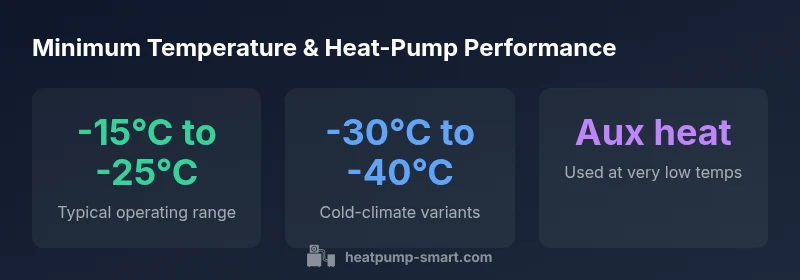
The usable minimum outdoor temperature for a heat pump varies by model, climate, and system design. Most air-source heat pumps maintain reliable operation down to roughly -15°C to -25°C, while several cold-climate units are rated below -30°C. At very low temperatures, performance falls and backup heat becomes more likely. Always check the official minimum operating temperature specified by the manufacturer and consider a hybrid option for extreme cold.
What 'minimum temperature' really means for heat pumps
When people talk about the 'minimum temperature' for a heat pump, they usually refer to the outdoor temperatures at which the unit can still deliver comfortable heating without relying heavily on backup heat. This rating varies by model, climate, and system design. In practice, it depends on whether you’re using an air-source unit, a geothermal system, or a ductless mini-split. The Heatpump Smart team emphasizes that the figure is not a single universal threshold; it’s a specification that reflects performance under controlled test conditions, defrost cycles, and typical humidity. In cold climates, models marketed as “cold-climate” are designed to retain higher efficiency at lower ambient temperatures, but even these have practical limits. For homeowners, understanding the minimum temperature helps in planning for insulation, thermostat strategy, and the potential need for auxiliary heat during cold snaps. The more you know about this rating, the better you can size and install a system that keeps your home comfortable without overspending on backup heat. According to Heatpump Smart, the effective minimum temperature you’ll experience also depends on building envelope, air leakage, and the setpoint you choose for heating.
How manufacturers rate minimum operating temperatures
Manufacturers publish a minimum operating temperature in product data sheets, but the exact meaning can vary. Some units list a continuous operating range from a specified outdoor temperature, while others show a separate 'defrost operation' temperature or a climate-class rating. As a result, a -15°C label on one model may represent a partial load rating rather than the same performance as a -15°C rating on another unit. In general, many air-source heat pumps are rated down to roughly -15°C to -25°C, with some cold-climate variants rated below -30°C. Geothermal systems rely on the relatively constant underground temperatures and may maintain comfortable heat at milder rural temps, but their minimum outdoor temperature is less relevant to their performance because the heat source is the earth. The Heatpump Smart analysis notes that ratings are influenced by compressor technology, refrigerant, defrost logic, and the ability to modulate output as outdoor conditions change. When evaluating models, read the data sheet, confirm the tested conditions, and verify how the unit behaves in low-humidity vs high-humidity environments.
How cold affects efficiency, defrost cycles, and backup heat
As outdoor temperatures fall, the heat pump must work harder to pull heat from cold air. This typically reduces COP (coefficient of performance), so the unit delivers the same indoor comfort with more energy input. Frost and ice on outdoor coils trigger defrost cycles that temporarily shift heat extraction to protect performance, which can further impact efficiency and run time. In very cold conditions, many systems rely on auxiliary heat sources to maintain comfort, increasing energy use and operating costs. Smart controls and outdoor temperature sensors can optimize defrost timing and pre-empt backup heat, but the exact behavior remains model-dependent. Heatpump Smart analysis indicates that homeowners should expect some efficiency drop in low temps, and plan for supplemental heat during extended cold spells.
Choosing the right model for cold climates
When winter is a long or severe feature of your climate, prioritize models rated for cold temperatures. Look for cold-climate designation, inverter-driven compressors, high-efficiency fans, and robust defrost strategies. Check the unit’s minimum temperature rating and read independent reviews about real-world performance at low outdoor temperatures. A system designed for cold climates often uses larger refrigerant charge and enhanced heat exchanger geometry to sustain heating at low ambient temperatures. Also consider how controls interact with your thermostat and zoning system; smart thermostats can coordinate with backup heat to minimize energy use while preserving comfort. Heatpump Smart’s guidance suggests aligning model choice with your local climate data and selecting a unit that remains efficient as outdoor temperatures dip toward the lower end of its rating.
Installation, sizing, and practical setup to maximize cold-weather performance
A correct installation is critical for cold-weather operation. Poorly sealed ducts, leaky envelopes, and undersized equipment can magnify the effects of low temperatures, causing more frequent cycling to meet setpoints. Proper placement of the outdoor unit—protected from wind, sheltered from deep snow, with adequate clearance for airflow—improves performance and reduces frost buildup. For cold climates, consider a hybrid or dual-fuel approach where backup heat is available without compromising comfort or efficiency. Sizing the system correctly relative to your home’s heat load and insulation levels is essential; an undersized unit will struggle in cold snaps, while an oversized system may short-cycle and waste energy. Heatpump Smart recommends a professional heat-load calculation and a climate-appropriate selection to ensure reliable winter performance.
Maintenance and best practices for winter operation
Winter maintenance matters as much as choosing the right model. Regular outdoor unit clearing to prevent snow buildup, keeping air intakes unobstructed, and ensuring proper defrost function all contribute to stable operation in cold weather. Schedule annual checks of refrigerant levels, electrical connections, and thermostat calibration. Clean air filters and inspect ductwork to minimize heat loss in the home. In very cold regions, plan for a proactive backup heat strategy during extreme cold events, and review warranty coverage for auxiliary heat components. Following these best practices helps ensure your heat pump maintains comfort and efficiency throughout winter.
Overview of min operating temps by system type
| System Type | Typical Min Temp | Notes |
|---|---|---|
| Air-source heat pump | -15°C to -25°C | Most models; performance declines with colder temps |
| Cold-climate air-source | -30°C to -40°C | Designed for extreme cold; may use auxiliary heat |
| Geothermal heat pump | -20°C to -25°C | Ground temperature is stable; year-round performance |
| Mini-split (ductless) | -15°C to -25°C | Similar to air-source; depends on model |
Your Questions Answered
What is the typical minimum outdoor temperature for most air-source heat pumps?
Most air-source units operate reliably down to about -15°C to -25°C, though individual model ratings vary. Always verify the unit’s official minimum operating temperature in the data sheet.
Most air-source heat pumps work down to around minus 15 to minus 25 degrees Celsius; check your model’s rating for exact numbers.
Do heat pumps work in sub-zero temperatures?
Yes, many heat pumps operate in sub-zero temperatures but efficiency declines and backup heat is more likely during very cold periods. Cold-climate models are better suited for extreme cold.
Yes, they work in sub-zero temps, but expect lower efficiency and possible backup heat in very cold weather.
What is auxiliary heat, and when is it needed?
Auxiliary heat is a supplemental heat source used when outdoor temperatures are very low or humidity is high. It helps maintain comfort but increases energy use.
Auxiliary heat is extra heat used when it’s very cold; it keeps you warm but can raise bills.
How can I maximize performance at low temperatures?
Choose a cold-climate model, ensure proper installation, improve insulation, and use smart controls to optimize defrost timing and back-up heat.
Pick a cold-climate unit, seal your home well, and use smart controls to optimize defrost and backup heat.
Is geothermal better than air-source in cold weather?
Geothermal systems generally offer more stable performance in cold weather due to ground temperatures, while air-source units can struggle at very low temps unless designed for cold climates.
Geothermal often performs more consistently in cold weather, whereas air-source units can struggle unless they’re built for cold climates.
“Selecting a heat pump means recognizing its rated minimum outdoor temperature; with proper controls and supplemental heat, you can maintain comfort even when outdoor temps drop.”
Top Takeaways
- Identify your climate’s cold-temperature range and pick a heat pump rated to operate within it
- Cold-climate models maintain comfort with supplemental heat; check COP at low temps
- Confirm installation and defrost features to minimize backup heat reliance
- Expect some efficiency drop at very low outdoor temps