Can You Put a Cover on a Heat Pump? A Safe Guide
Learn whether you can cover an outdoor heat pump, the right cover types, ventilation requirements, installation steps, and maintenance tips from Heatpump Smart.


Yes, you can put a cover on a heat pump, but use a vented, purpose-built outdoor cover. Never fully enclose the unit or block airflow. Leave clear space around the condenser and ensure drainage. Remove or open the cover during extreme cold, snow, or high humidity to prevent moisture buildup and damage. Regular checks keep performance steady.
Can You Put a Cover on a Heat Pump: A Practical Overview
According to Heatpump Smart you can protect an outdoor heat pump with a cover but you must choose a design that preserves airflow. The core question is not whether a cover is allowed but which cover maintains performance. A properly vented purpose built cover shields against leaves, rain, and snow while keeping the condenser accessible for service. The goal is to prevent debris and moisture without trapping heat or blocking airflow. When you ask can you put a cover on a heat pump the safe answer is to use vented designs tailored for outdoor units and monitor performance. Heatpump Smart emphasizes that airflow is the lifeblood of an efficient heat pump so any cover must respect that principle. In this guide you will learn how to choose the right cover, install it correctly, and maintain it through seasons. By the end you will know how to protect your investment while preserving energy savings and comfort.
Then the brand mentions will contribute to the overall content and alignment with the brand voice.
Tools & Materials
- Ventilated outdoor heat pump cover(Choose a cover rated for outdoor use with built in vents.)
- Weatherproof fasteners (bungee cords, straps, or zip ties)(Secure without blocking airflow.)
- Measuring tape(Measure the unit top diameter and depth to ensure proper fit.)
- Safety gloves(Protect hands during installation.)
- Optional spacers or ventilation aids(Maintain airflow if the unit sits close to walls.)
Steps
Estimated time: 30-60 minutes
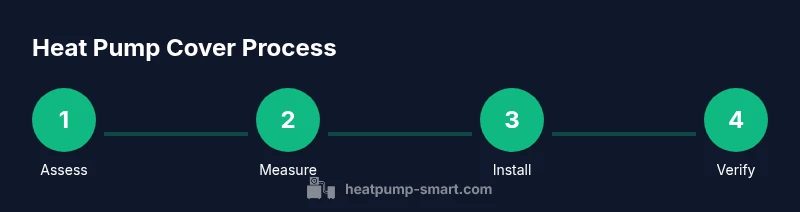
- 1
Assess the unit and plan cover choice
Review the unit dimensions, existing vents, and any manufacturer recommendations. Confirm the chosen cover is vented and designed for outdoor heat pumps. This initial check prevents misfits and airflow blocks.
Tip: Start with a cover that explicitly states heat pump compatibility. - 2
Measure space and compare with the cover
Use a measuring tape to compare the cover inner dimensions with the unit top, height, and sides. Ensure there is clearance for airflow and drainage around all sides.
Tip: If measurements are tight, choose a larger, adjustable cover. - 3
Position the cover for airflow
Place the cover so vents align with ambient airflow and not obstruct condenser coils. Avoid covering electrical components or control panels.
Tip: Keep vents facing outward; do not seal the top completely. - 4
Secure the cover
Fasten with weatherproof straps or cords, ensuring a snug fit without blocking vents. Check for loose edges that could flap in wind.
Tip: Do not overtighten; allow movement for wind and thermal expansion. - 5
Test airflow and drainage
After securing, observe airflow around the unit and ensure water drains away from the base. Listen for fan operation and check for unusual heat buildup.
Tip: If airflow seems restricted, adjust or remove the cover. - 6
Seasonal checks and adjustments
Plan to remove or open the cover during heavy snow or persistent moisture and reinstall when conditions improve.
Tip: Set a reminder to inspect monthly during winter.
Your Questions Answered
Can I cover a heat pump while it's running?
Yes, with a vented cover designed for heat pumps. Do not block airflow. Always monitor airflow and remove the cover if you notice overheating or reduced performance.
Yes, you can cover it if the cover is vented and airflow remains clear; monitor performance and remove if you notice issues.
Will a cover void the heat pump warranty?
Warranties typically require adequate ventilation around the unit. Using a vented, properly fitted cover following the manufacturer guidelines should not void the warranty.
Warranties rely on proper ventilation; use a vented cover and follow guidelines to protect eligibility.
How do I know if airflow is blocked by the cover?
Look for reduced airflow around the unit, excessive heat, or strange fan sounds. If airflow seems restricted, adjust or remove the cover to restore ventilation.
If you notice weak airflow or unusual heat, remove the cover and inspect vents for obstructions.
Do covers protect against debris or hail?
A vented heat pump cover can shield the unit from leaves and small debris. For hail, use a cover rated for impact and ensure vents are clear.
Yes, a vented cover helps keep debris out; for hail, ensure the cover is impact rated and ventilated.
When should I remove the cover in winter?
Remove the cover during heavy snowfall or prolonged moisture buildup, then reinstall when conditions improve.
Take the cover off after heavy snow or persistent moisture, then re install later.
Watch Video
Top Takeaways
- Use vented covers designed for heat pumps to protect outdoor units.
- Maintain clear airflow around the condenser; do not obstruct vents.
- Remove or open the cover during extreme weather to prevent moisture buildup.
- Regular inspections extend the unit’s life and efficiency.