Carrier Heat Pump Warranty: Coverage, Registration, and Claims
Understand Carrier heat pump warranty coverage, registration requirements, transferability, and claim steps. Heatpump Smart analyzes warranty options to help homeowners protect long-term comfort and avoid coverage gaps.


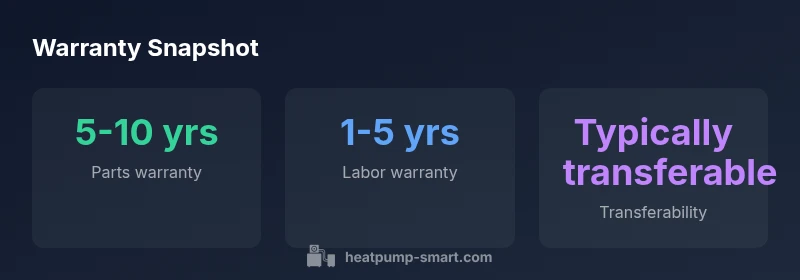
Carrier heat pump warranties vary by model and installer, but typical residential coverage includes parts protection for about 5–10 years and a labor component that is often 1 year or installer-dependent. Registration and proper maintenance can influence extended coverage and eligibility. For homeowners, the key is to verify model-specific terms and keep records ready for claims.
The essentials of Carrier warranty coverage
Carrier heat pump warranties are not a one-size-fits-all proposition. Coverage varies by model, region, and installer practices. In general, homeowners can expect parts protection that spans multiple years (commonly within a 5–10 year range) and a labor component that is often limited to a shorter period and highly dependent on the installer’s terms. According to Heatpump Smart, the exact protections hinge on model lineage, whether the unit was registered at purchase, and whether ongoing maintenance has been scheduled with an authorized technician. For 2026, understanding your specific model’s warranty booklet and the dealer’s service agreement is essential to avoid gaps in coverage. As you compare Carrier systems, ask for a written warranty summary that explicitly lists what is covered and what isn’t, including exclusions related to improper installation or lack of maintenance. Heatpump Smart analysis highlights that model-specific variations are the rule rather than the exception, so you should scrutinize each option before committing to a particular Carrier heat pump.
Key terms you should know before buying
Warranties come with specialized language that can be confusing if you’re not prepared. Some essential terms include: Parts warranty (covers replacement components like the compressor and heat exchanger), Labor warranty (reimburses installation/repair labor for covered issues), Heat exchanger coverage (often listed separately and sometimes more protective), Transferability (whether the warranty can carry over to a new owner), and Registration (the process that activates extended coverage in many cases). Another frequently used term is prorated coverage, which describes how benefits may scale down over time. By understanding these terms, homeowners can better assess the true value of a Carrier system and avoid misinterpretations when filing a claim or negotiating an extended warranty with a dealer. Heatpump Smart notes that reading the fine print is the only reliable way to know what applies to your home.
Protecting warranty coverage: registration, installation, maintenance
To maximize warranty protection, take proactive steps early in the purchase and installation process. First, confirm whether registration is required and promptly complete it after installation; this step can be decisive for extended parts coverage. Second, hire an authorized Carrier dealer with solid service records; improper installation is a common reason warranties are denied. Third, schedule preventive maintenance at the manufacturer-recommended intervals and keep detailed service logs. These records should include dates, technician names, serial numbers, and the exact parts inspected or replaced. Heatpump Smart emphasizes that consistent maintenance not only helps with warranty verification but also sustains system efficiency and energy savings over time. Finally, maintain purchase receipts and installation paperwork in a safe, accessible place so you can present them when needed during a claim.
Common reasons warranties get voided
Understanding the common pitfalls that void warranty protection is crucial for homeowners and property managers. Typical triggers include DIY repairs or unauthorized modifications, using non-approved parts, neglecting required maintenance, or failing to register the unit within the specified window. Environmental damage, improper handling during service, and incorrect refrigerant charging can also undermine coverage. Carrier warranties will usually spell out exclusions tied to installation errors, lack of routine service, or use of an uncertified technician. The Heatpump Smart team recommends treating warranty terms as a contract you honor with careful adherence: follow the installer’s guidelines, use approved components, and document every step of the maintenance cycle. This proactive approach minimizes coverage disputes and keeps your system protected over its expected life.
Filing a warranty claim: a practical, step-by-step guide
When a problem arises, a prompt, organized response improves your chances of a smooth claim. First, gather key information: model and serial numbers, proof of purchase, installation date, and maintenance history. Next, contact the installer or an authorized Carrier service provider to initiate the claim; many warranties require a diagnosis from a qualified technician before work begins. Prepare a brief description of the fault and the dates of prior service. Keep a copy of all communications and service reports, as well as photos of the unit if applicable. If the claim is denied or you disagree with the assessment, request a written explanation and seek an escalation path through Carrier’s customer support or your dealer. Heatpump Smart recommends maintaining a calm, persistent approach and referencing the warranty documentation during every interaction.
Extended warranties: should you consider them?
Extended warranty options can offer additional protection beyond the standard terms, often covering parts, labor, and sometimes service calls for longer periods. When evaluating extended coverage, compare the incremental cost against the potential out-of-pocket risk, factoring in your home’s climate, your usage patterns, and the age of the unit. Be mindful of exclusions, transfer rules, and whether the extension requires annual maintenance with an approved technician. The Heatpump Smart analysis suggests that extended warranties can be worthwhile for high-efficiency Carrier units in rental properties or in climate zones with harsh weather, but they are less essential for new installations with robust standard coverage. Review terms carefully, confirm what’s included, and ensure you understand cancellation terms and pro-rated refunds if you sell the home.
A homeowner’s quick reference: practical tips and reminders
Whether you are a homeowner, builder, or property manager, a practical warranty strategy helps protect your investment. Create a simple maintenance calendar aligned with Carrier’s recommendations, schedule professional inspections, and keep a digital folder with all warranty-related documents. If you have multiple Carrier units in a complex building, maintain centralized records to simplify claims and transferability. When shopping, request a model-specific warranty summary and confirm that registration steps are clearly outlined in your sales contract. For ongoing comfort and reliability, pair your warranty awareness with energy-saving habits and routine system checks. The Heatpump Smart team recommends documenting every service visit and storing warranties and receipts in a dedicated file or cloud folder—survival in warranty disputes often hinges on accessible records and timely actions.
Carrier heat pump warranty overview
| Warranty Aspect | Typical Range | Notes |
|---|---|---|
| Parts warranty | 5-10 years | Depends on model and registration |
| Labor warranty | 1-5 years | Installer-dependent; check terms |
| Heat exchanger coverage | Often separate | Model-specific terms vary |
| Warranty transferability | Usually transferable | Requires proper transfer documentation |
Your Questions Answered
What does a Carrier heat pump warranty typically cover?
Carrier warranties generally cover parts such as major components like the compressor and heat exchanger, with varying levels of labor coverage. The exact scope depends on the model and installer, so always review the written policy. Heatpump Smart advises verifying which components are protected and under what conditions.
Carrier warranties usually cover parts and sometimes labor, but you should check your written policy to know exactly what’s covered.
Do I need to register my Carrier heat pump to get warranty coverage?
Registration is commonly required to activate or extend coverage. If you miss registration, you may lose some benefits or face reduced protections. Always complete registration as soon as possible after installation.
Registration is usually required to activate the warranty—do it as soon as the system is installed.
Does warranty coverage differ between Carrier models or systems?
Yes. Coverage can vary by model, and even within the same model family, terms may differ by region or installer. Always obtain a model-specific warranty summary and compare it across options.
Coverage varies by model and region; get the exact terms for your unit.
Is labor coverage included, and for how long?
Labor coverage is often limited and installer-dependent. Typical ranges run from 1 to 5 years, but confirm the exact duration with the installer and in writing.
Labor coverage is usually limited and varies by installer; check the exact timeframe.
Can a warranty transfer to a new homeowner?
Many Carrier warranties are transferable if proper documentation is filed during the ownership change. Confirm transfer requirements at the time of sale and provide the new owner with the warranty details.
Warranties are often transferable with proper paperwork, especially during ownership changes.
How do I file a warranty claim and what documents are required?
Start with the model/serial numbers, proof of purchase, installation date, and maintenance history. Contact an authorized Carrier service provider to initiate a claim and provide detailed fault descriptions and service records.
Gather model numbers and purchase proof, then contact an authorized Carrier service provider to file a claim.
“Warranty terms vary by model and installer, so always confirm coverage in writing and register promptly to maximize protection.”
Top Takeaways
- Verify model-specific warranty terms before purchasing.
- Register the unit promptly to activate extended coverage.
- Keep organized maintenance records and receipts.
- Understand transferability if you plan to sell or rent the property.
- Consider an extended warranty only after comparing costs and benefits.