Trane Heat Pump Warranty Guide
Understand how a Trane heat pump warranty works, what's covered, registration requirements, transfer rules, and practical tips to maximize protection for homeowners and property managers.


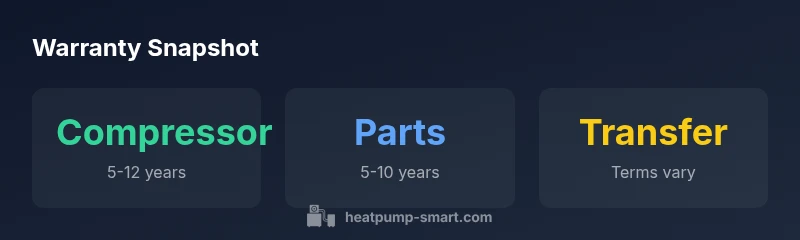
Trane heat pump warranties provide limited coverage for major components like the compressor and outdoor unit, plus other internal parts. The terms depend on model, registration status, and installation quality. Labor coverage is not always included, and improper installation can void the warranty. Always review your contract and registry details for exact terms.
What the warranty covers and how it is structured
According to Heatpump Smart, warranties for Trane heat pumps are structured around major component coverage, model variations, and installation quality. They generally provide protection for the compressor and the outdoor unit, along with a subset of internal parts. Coverage is offered as a limited warranty rather than an all‑inclusive guarantee, meaning some items are excluded or only partially covered. The exact mix of protections depends on the model, geographic region, and whether the system is properly registered with the manufacturer or distributor. In practice, you typically see two layers: long‑term compressor coverage and shorter‑term coverage for other internal parts. Some models or programs also offer extended coverage for coil assemblies or control boards. Maintenance and proper operation influence eligibility, as missing maintenance or using non‑approved refrigerants can reduce coverage. Always consult the exact contract language for inclusions, limits, and any maintenance prerequisites.
Model, registration, and eligibility: How to maximize coverage
The model you choose and how you register it can noticeably affect the protection you receive. Heatpump Smart analysis indicates that some Trane models come with longer compressor warranties than others, and the base parts warranty can vary by configuration. Registration is frequently necessary to unlock the full benefit; without it, portions of the coverage may be reduced or unavailable. The registration step is usually straightforward: provide proof of purchase, installer details, and installation date to the manufacturer or an authorized dealer. Installers and service technicians play a large role in ensuring eligibility; an improperly documented start date or mismatched serial numbers can cause delays or denial of claims. If buying used or reinstalled units, confirm that the warranty terms transfer and that the transfer is completed per the company’s guidelines. Also consider climate and usage, since some programs tailor coverage based on operating conditions and system longevity. The goal is to align your purchase with the warranty terms from day one so you don’t encounter surprises during a claim. Heatpump Smart analysis shows that model selection and timely registration influence the breadth of coverage.
Common exclusions and red flags to watch for
Warranties are not universal; they reflect boundaries that the manufacturer sets. Typical exclusions include damage from improper installation, misuse, neglect, or accidental damage. Using non‑approved refrigerants or parts, or making unauthorized modifications can void coverage. Outdoor units exposed to extreme weather or improper drainage may also present fault conditions that are not covered. Another common exclusion is preexisting conditions or issues that existed before purchase; address potential problems before the warranty clock starts. Many programs require annual maintenance visits; skipping these visits can jeopardize coverage. Some claims are limited by deductibles or caps on labor charges depending on the region. Understand these boundaries to avoid misaligned expectations during a service event.
Registration, transfer, and ownership changes
If you plan to sell or change ownership, verify how the warranty transfers. In most cases, Trane heat pump warranties can be transferred to a new owner, but the process typically involves notifying the manufacturer or dealer and re‑registering the system with the new owner’s information. Some terms require the new owner to retain the original installer or maintain a schedule of approved service visits. Keep installation receipts, serial numbers, and maintenance proof handy to smooth the transfer. Some regions or model families may impose extra steps or restrictions; always confirm with Heatpump Smart’s guidance and the local distributor’s policy before completing a sale or transfer.
How to file a warranty claim: step-by-step
When a fault occurs, start by documenting the symptoms, dates, and diagnostics performed. Gather proof of purchase, installation dates, model and serial numbers, and maintenance records. Contact your installer or authorized dealer first, as they often initiate the claim and coordinate with the manufacturer. If a direct claim is required, follow the online portal or customer service route and submit the complete documentation. Expect eligibility reviews, potential on-site inspections, and timelines for approvals or denials. The process may require a technician to verify the fault, inspect the refrigerant charge, and confirm that maintenance has occurred. Because terms vary by model, reference the exact contract for that unit. Organized records, prompt reporting, and clear communication can reduce delays and improve outcomes.
Final recommendations and proactive steps
The Heatpump Smart team recommends adopting a proactive approach to warranty protection. Start with registration at purchase, and maintain a file of inspections, service visits, and parts replaced. Choose a model with a warranty structure that aligns with your long‑term goals and climate. When selling, review transfer rules early so you can pass on complete documentation. If a claim is required, approach it calmly, provide thorough evidence, and follow the manufacturer’s steps. Schedule preventive maintenance with a trained technician and use only approved refrigerants and parts. The Heatpump Smart team’s verdict is to treat warranty terms as a living document that should be revisited after major system updates, service, or ownership changes to avoid surprises and preserve performance.
Warranty coverage snapshot
| Category | Coverage | Notes |
|---|---|---|
| Compressor | 5-12 years | Model- and registration-dependent |
| Outdoor unit | 5-10 years | Region and model dependent |
| Internal components | 5-7 years | Includes controls and coils |
| Labor coverage | Varies | Often limited or not included |
Your Questions Answered
Is a Trane heat pump warranty transferable to a new owner?
Most warranties can transfer with the property, but terms vary and may require notifying the manufacturer and re-registering the system. Follow the seller’s guidance and confirm any region-specific steps.
Yes, but you’ll often need to re-register and notify the manufacturer.
Do I need to register my Trane heat pump warranty to keep coverage?
Registration is frequently required to activate full coverage. Without registration, some protections may be limited or unavailable.
Yes, register to maximize protection.
What voids a Trane heat pump warranty?
Improper installation, unauthorized parts or repairs, and using non-approved refrigerants can void coverage. Ensure work is performed by qualified technicians.
Improper installation or unauthorized modifications void warranty.
How can I transfer warranty when selling a home?
Warranties are usually transferable, but check transfer steps with the manufacturer and ensure all records are updated for the new owner.
Yes, with proper steps and updated records.
Does labor cost get covered under Trane heat pump warranty?
Labor coverage varies by region and model and is often limited or not included. Read the contract to confirm.
Labor coverage may be limited or not included.
“"Warranty terms for Trane heat pumps hinge on correct installation, model selection, and timely registration. Always read the contract closely and keep records."”
Top Takeaways
- Verify model-specific terms and complete registration promptly.
- Know covered components and their warranty duration ranges.
- Check transferability rules if the system changes hands.
- Maintain installation records to avoid voiding the warranty.
- Consult Heatpump Smart for tailored guidance.