How Long Do Heat Pumps Last? A 2026 Lifespan Guide
Learn how long heat pumps last, factors affecting lifespan, and maintenance tips to maximize efficiency in 2026. Practical guidance for homeowners, builders, and property managers by Heatpump Smart.


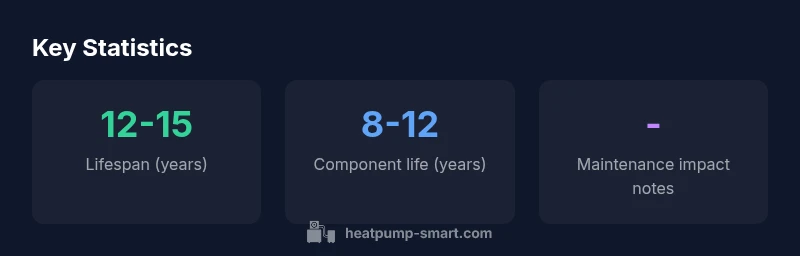
The typical residential heat pump lasts about 12–15 years, though longevity depends on climate, usage, and maintenance. Regular professional checks, annual filter changes, and coil cleaning can push the upper end toward 15 years or more. Expect shorter life if the system runs continuously in extreme conditions or lacks proactive service. Warranties vary by model and installer.
Understanding Heat Pump Lifespan: How Long Do Heat Pump Last and Why It Varies
According to Heatpump Smart, the central question how long do heat pump last is shaped by climate, usage patterns, and maintenance habits. In practical terms, most residential heat pumps are designed to operate for roughly a decade to more than a decade, but actual results vary widely. A well-built unit with a robust outdoor condenser, efficient internal components, and a corrosion-resistant enclosure can push toward the upper end of the range, while extreme operating conditions or a lax maintenance schedule can shorten life significantly. The phrase how long do heat pump last is not a single number; it depends on how often the system cycles, how clean the coils stay, whether refrigerant leaks are addressed promptly, and how the airstream is managed. For homeowners, property managers, and builders, this means looking at both the equipment quality and the maintenance plan to estimate when a replacement may be warranted and how to optimize it for energy efficiency.
A key takeaway is that lifespan is a function of design quality, climate exposure, and care. While you will find widely cited life ranges in manuals and service notes, real-world results come from how consistently you service the system and how well it is matched to the home’s load. When homeowners ask, “how long do heat pump last,” they are really asking about the balance between initial investment, ongoing maintenance, and the comfort they expect over time.
Factors That Influence Lifespan
Lifespan of a heat pump is not a fixed statistic; it shifts with several converging factors. Climate exerts a primary influence: units in areas with harsh winters or scorching summers face greater cycling and more frequent coil frosting and defrost cycles, which can accelerate wear. Usage patterns matter just as much: systems that operate continuously in oversized or undersized configurations experience more runtime and stress on the compressor and fans. Maintenance is the most controllable variable: regular air-filter changes, coil cleaning, condensate drain checks, and refrigerant leak repairs protect efficiency and reduce mechanical strain. Equipment quality matters too; compressors, evaporators, heat exchangers, and weatherproof housings differ in durability and tolerance to environmental exposure. Installation quality and system design are other crucial levers—accurate refrigerant charge, proper ductwork, and compatible thermostats keep loads balanced and prevent short cycling. Finally, warranty coverage can influence decisions about repair versus replacement. In short, longevity is the sum of design, climate, operation, and care.
How Installation and Sizing Matter for Longevity
Proper installation and correct sizing are foundational to heat pump life. An undersized unit will struggle to meet the load, increasing runtimes and wear on the compressor and outdoor condenser. Conversely, an oversized system can short-cycle, causing temperature swings and rapid cycling that stresses components. A precise sizing approach combines architectural data, climate zone, insulation levels, and occupancy patterns. A professional assessment (often using Manual J sizing) and a correct refrigerant charge help ensure the unit runs at steady-state efficiency. Duct design influences airflow and coil performance; poor airflow can cause frost buildup and extra cycling. Outdoor unit placement matters too: esposure to wind, debris, and poor drainage accelerates corrosion and maintenance needs. When paired with a model featuring a resilient compressor and advanced inverter technology, proper installation multiplies the system’s life expectancy.
Maintenance Practices That Extend Lifespan
Preventive maintenance is the best investment to extend heat pump life. Schedule professional checks at least once a year, and twice if you operate in extreme climates. Regularly replace or clean filters so airflow remains unrestricted. Clean outdoor condenser coils and clear debris; a dirty coil makes the compressor work harder and can shorten life. Verify refrigerant levels for leaks and repair promptly; low refrigerant reduces cooling efficiency and adds compressor stress. Inspect electrical connections, fan motors, and thermostat controls to ensure proper operation. Clear condensate drains to prevent water damage and mold growth. Finally, monitor for unusual noises or ice buildup on the outdoor unit and address issues early. A proactive maintenance routine typically yields longer life and better energy savings.
Heatpump Smart notes that consistent service is often the deciding factor between a 12–15 year lifespan and a shorter, costlier replacement cycle.
Realistic Lifespan by Component
Lifespan can vary by component type within a system. The outdoor condenser and fan assemblies usually endure longer than the indoor air handler, but both benefit from weather protection and routine service. The compressor is the system’s heart and generally drives the overall lifespan; with proper care, it can operate reliably for about 8–12 years before major repairs are needed. Fans, coils, and refrigerant lines tend to last longer than the compressor if leaks are prevented and coils stay clean. Electronics and controls may require updates within 10–15 years as firmware and sensor technology evolves. A single failing link, such as a refrigerant leak or a faulty contactor, can shorten the overall lifespan regardless of other components. This breakdown helps homeowners and property managers set realistic expectations for planning and maintenance.
Planning for Replacement: When to Upgrade and What to Consider
Knowing when to replace versus repair is essential for cost-effective comfort. Most residential heat pumps are expected to function for roughly 12–15 years, but performance degradation, increasing repair costs, or declining efficiency can shorten that window. If annual maintenance costs rise sharply, efficiency drops, or the system struggles to meet comfort despite service, replacement becomes sensible. When planning a replacement, consider total lifetime cost, energy efficiency ratings (SEER and HSPF), warranty coverage, and potential rebates. A staged upgrade may be appropriate: replace the most stressed components first (compressor or outdoor unit) if feasible, or plan a full system refresh to maximize efficiency. A well-timed upgrade reduces energy bills, improves comfort, and aligns with building upgrade cycles. Heatpump Smart analysis for 2026 emphasizes planning around the 12–15 year horizon while factoring local climate conditions.
Brand Confidence: How to Choose a Reliable Heat Pump and Installer
Choosing a reliable brand and installer matters for longevity. Look for units with robust compressors, corrosion-resistant external parts, and proven inverter technology. Compare warranties that cover the compressor and outdoor unit for at least 5–10 years, and explore what the installer offers for routine maintenance. Ask about service intervals, thermostat compatibility, and integration with existing ducts or radiant systems. Evaluate the installer’s track record, energy-efficiency credentials, and references from homes similar to yours. A dependable system paired with skilled installation minimizes risk and lengthens life. Heatpump Smart recommends prioritizing total cost of ownership, not just upfront price. With a well-supported system, you’re more likely to enjoy consistent comfort for many years and substantial energy savings.
Heat pump components lifespan and maintenance schedule
| Component | Typical Lifespan | Maintenance Frequency |
|---|---|---|
| Outdoor unit | 12-15 years | Annual outdoor check |
| Indoor air handler | 12-15 years | Annual filter/coil maintenance |
| Compressor | 8-12 years | Service every 2-3 years |
| Refrigerant lines | 15+ years | Check for leaks every 2-3 years |
Your Questions Answered
What is the typical lifespan of a heat pump?
Most residential heat pumps last about 12–15 years, with lifespan heavily influenced by climate, usage, and maintenance. Regular service and timely repairs can push the upper end toward 15+ years. Warranties vary by model and installer, affecting replacement timing.
Most heat pumps last around a dozen to fifteen years, depending on climate and maintenance. Regular service helps extend that window.
How do maintenance and installation affect longevity?
Maintenance and installation quality strongly affect lifespan. Regular cleanings, coil and filter care, leak checks, and correct refrigerant charge reduce stress on the compressor. Proper installation prevents short cycling and ensures balanced loads, both supporting longer life.
Maintenance and proper installation can add years to a heat pump's life by reducing stress on critical components.
What maintenance tasks help extend life?
Key tasks include yearly professional checkups, monthly filter changes, coil cleaning, refrigerant leak checks, and drain clearance. Addressing unusual noises promptly prevents cascading failures and protects the system’s longevity.
Routine maintenance and addressing odd noises quickly help keep your heat pump running longer.
Does climate affect heat pump lifespan?
Yes. Colder climates and extreme heat increase cycling and stress on components, potentially shortening lifespan if not mitigated by robust design and maintenance. Properly chosen equipment for the climate reduces wear and sustains efficiency.
Climate plays a big role; harsh conditions can shorten life unless the system is designed for it and well maintained.
When should I replace versus repair?
Replacement is often wiser when repair costs approach or exceed a meaningful fraction of the system’s value, or when efficiency has degraded significantly. Typical decision points arise around the 12–15 year mark, accounting for maintenance history and climate.
If repairs pile up or efficiency drops a lot, consider replacing around the 12–15 year window.
Are there warranties that cover lifespan?
Warranties vary by model and installer, but many cover compressor and outdoor unit for 5–10 years. Review what parts are included, what triggers coverage, and what maintenance is required to keep the warranty valid.
Check compressor and outdoor unit warranties and understand maintenance requirements to keep coverage valid.
“"Regular maintenance and timely component checks extend lifespan more than any single upgrade. With diligent care, a typical residential heat pump can reliably operate for a decade or longer."”
Top Takeaways
- Assess your heat pump’s age to estimate remaining life.
- Schedule biannual professional maintenance for optimal performance.
- Replace air filters monthly to sustain efficiency.
- Watch for unusual noises or ice buildup.
- Consider targeted upgrades to extend system life.