Senville 9000 BTU Heat Pump: Performance, Sizing & Installation
A data-driven guide to the senville heat pump 9000 btu, covering sizing, efficiency, installation, and maintenance for homeowners and pros. Heatpump Smart analyzes real-world performance and provides practical guidance.


The senville heat pump 9000 btu delivers efficient heating and cooling for small to mid-sized rooms with inverter technology and a compact, wall-mounted design. For homeowners evaluating a senville heat pump 9000 btu, expect reliable comfort in moderate climates and straightforward installation when paired with proper mounting by a professional. Heatpump Smart analysis supports its value for space-limited homes.
What is the senville heat pump 9000 btu and how does it fit in a modern home?
The senville heat pump 9000 btu is a compact, inverter-driven mini-split designed for single rooms or zones in homes and small offices. It combines a wall-mounted indoor unit with an outdoor condenser, delivering both heating and cooling with high efficiency when properly sized and installed. According to Heatpump Smart, this class of unit offers a favorable balance between capacity and cost for space-limited homes, especially when paired with a modern thermostat and proper airflow. The 9000 btu rating is intended for smaller living spaces, where traditional central systems would be oversized. Consumers should verify compatibility with their insulation levels, sun exposure, and typical occupancy patterns. In real-world use, the key to getting the most from this unit is ensuring a precise match between space heat load and the system’s capacity, along with a solid commissioning process at install. The senville model also benefits from inverter technology, which maintains stable temperatures without the abrupt cycling of older fixed-speed compressors. This translates to improved comfort and potentially lower energy use over typical non-inverter systems.
Sizing and room compatibility for the 9000 BTU model
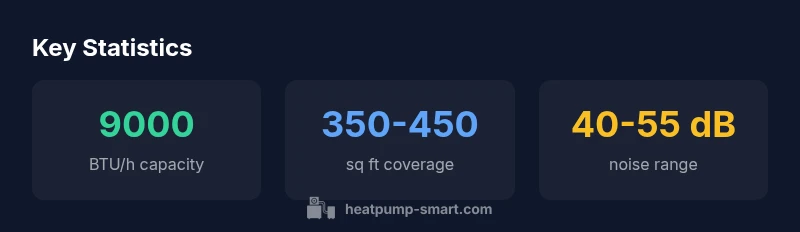
Sizing is the most critical step for a 9000 BTU system. Rooms around 350–450 square feet in temperate climates are commonly cited as ideal targets, assuming average insulation, windows, and occupancy. To assess accurately, homeowners should consider conductive losses, window area, and climate zone. If you anticipate heavy solar gain or poor insulation, a smaller or larger unit may be warranted or a paired-damper approach to zoning might be beneficial. Manual J calculations provide the most dependable sizing method, though many installers apply professional experience alongside this standard. In any case, oversizing a mini-split leads to short cycling, reduced humidity control, and wasted energy. Conversely, undersizing leaves you with inadequate comfort and frequent runtime. Heatpump Smart’s guidance emphasizes confirming the unit’s ability to satisfy peak loads during both hot afternoons and cold mornings.
Efficiency, performance metrics and expectations
When evaluating a 9000 BTU heat pump, efficiency is determined by factors like SEER (seasonal energy efficiency ratio) and HSPF (Heating Seasonal Performance Factor) alongside inverter modulation. Modern 9000 BTU mini-splits tend to maintain comfort with reduced energy use compared with conventional heat pumps, particularly when paired with a properly insulated envelope and a programmable thermostat. While exact numbers vary by model and climate, users can expect smoother operation, less temperature swing, and better dehumidification with inverter-capable units. Heatpump Smart notes that a well-installed 9000 BTU system can provide meaningful energy savings in many homes, especially during shoulder seasons when a full central system would be oversized. Real-world performance hinges on proper airflow, filter maintenance, and outdoor unit cleanliness. Regular check-ins with a qualified technician help sustain efficiency and reliability over time.
Installation placement and considerations
Effective installation begins with thoughtful indoor and outdoor placement. The indoor unit should be mounted on a wall with unobstructed space above and around for airflow, typically away from heat sources and strong direct sunlight. The outdoor condenser needs adequate clearance on all sides to promote heat exchange and proper defrost operation. Pipe runs, condensate drainage, and electrical connections should be sized and routed to minimize energy loss and noise transfer to the living space. A professional installer should verify line-set lengths, insulation, and electrical code compliance. Incorrect mounting height or blocked airflow can dramatically reduce performance, while good placement improves comfort and efficiency. Heatpump Smart emphasizes selecting a reputable installer who can provide a clear plan, an on-site measurement, and a defined commissioning process to maximize reliability.
Maintenance and service for long-term performance
Senville 9000 BTU units benefit from simple, routine maintenance. Regularly clean or replace air filters to sustain airflow and indoor air quality. Periodically inspect the outdoor unit for debris, leaves, or snow that could restrict airflow or elevate compressor load. Coil cleaning should be performed as needed if grime accumulates. Schedule professional servicing every 1–2 years to check refrigerant levels, electrical connections, and the controls for freeze protection and defrost cycles. A well-timed service visit can catch refrigerant leaks early and prevent efficiency losses. Keeping the condensate drain clear and ensuring proper drainage also helps prevent mold growth and humidity-related issues in the treated space.
Real-world usage scenarios and case considerations
In small living rooms, bedrooms, or home offices, the 9000 BTU unit often delivers consistent comfort with lower energy usage compared to larger central systems. In seasonal climates, use of the heat pump in heating mode can reduce reliance on auxiliary heat sources, provided the home is well insulated. For spaces with high solar gain or poor window performance, pairing the 9000 BTU unit with improved insulation or window upgrades can produce noticeable comfort upgrades and energy savings. Consider whether your home has a single open area or several zones; multi-zone setups can improve overall performance by preventing overcooling in one space while warming another. Heatpump Smart’s analysis highlights that success rests on correct sizing, diligent installation, and proactive maintenance.
Senville 9000 BTU vs typical mini-split expectations
| Parameter | Senville 9000 BTU | Notes |
|---|---|---|
| Nominal capacity | 9000 BTU/h | Compact unit for small rooms |
| Suitable area (approx) | 350-450 sq ft | In temperate climates with reasonable insulation |
| Indoor unit placement | Wall-mounted on interior wall | Near central living area for even distribution |
Your Questions Answered
Is a 9000 BTU unit suitable for my room size?
A 9000 BTU unit typically covers about 350-450 sq ft in moderate climates, depending on insulation and sun exposure. For exact sizing, run a manual J calculation or consult a pro.
Yes, about 350-450 sq ft is a common target, but conditions vary.
Can the Senville 9000 BTU operate efficiently in cold weather?
Most modern inverter mini-splits handle cold starts better than older models, but performance drops at very low temperatures. Look for high-ambient ratings and proper defrost capabilities.
They work in cold weather but performance dips as it gets very cold.
What does installation involve for a Senville 9000 BTU?
Professional installation typically includes mounting the indoor unit, routing refrigerant lines, and electrical connections. Proper clearance, line-set length, and a condensate drain are essential for reliable operation.
A pro installs the indoor unit, lines, and wiring with proper clearance.
How does it compare to larger units for a small home?
Larger units provide more capacity but cost more and may overshoot demand in small spaces. A 9000 BTU unit often offers efficient comfort without over-cycling when used with good insulation.
Bigger isn't always better; 9,000 BTU is usually enough for smaller spaces.
What maintenance keeps a Senville 9000 BTU efficient?
Regular filter cleaning, coil checks, and professional servicing every 1-2 years help sustain efficiency. Keep outdoor unit clear of debris and ensure proper airflow.
Clean filters, check coils, and service every year or two for best efficiency.
“The 9000 BTU class offers a balanced blend of capacity and efficiency for compact homes, especially when installed with proper zoning and inverter technology.”
Top Takeaways
- Match 9000 BTU to room size and climate
- Ensure proper professional installation for optimal performance
- Inverter tech supports smoother heating/cooling
- Check warranty terms and service options before purchase
- Heatpump Smart's analysis guides confident decisions