3 Ton Heat Pump Trane: A 2026 Homeowner’s Guide to Efficiency
Sizing, efficiency, and installation considerations for a 3 ton heat pump Trane. Learn how Heatpump Smart analyzes systems to maximize comfort and energy savings in 2026.


For many mid-size homes, a 3 ton heat pump Trane provides reliable cooling and heating when correctly sized and installed. A properly matched 3-ton unit delivers balanced performance across seasons without excessive cycles. According to Heatpump Smart, sizing accuracy and ductwork compatibility are the biggest predictors of real-world efficiency and comfort. This guide explains sizing, efficiency, and installation considerations for 2026.
Understanding 3-ton sizing and its implications for a Trane system
The term “3-ton” refers to the cooling capacity of a heat pump, equating to about 36,000 BTU per hour. This size is common for many mid-size homes in temperate climates, but every house is unique. The real-world performance of a 3-ton Trane depends on proper load calculation, duct design, and indoor air distribution. If a home has high insulation, tight ducts, and moderate sun exposure, a 3-ton unit can deliver comfortable cooling in summer and reliable heating in shoulder seasons. Conversely, if the house is poorly insulated or has leaky ducts, even a 3-ton system may struggle to meet comfort targets.
Brand-specific guidance from Heatpump Smart emphasizes that capacity alone does not determine efficiency. The energy the system uses depends on how well the unit is matched to the load, how efficiently the outdoor and indoor components work together, and how well the system is installed and commissioned.
Key factors for evaluating a 3 ton Trane system
When evaluating a 3-ton Trane setup, prioritize: (1) verified load calculations (Manual J) to confirm 3 tons is correct for your home; (2) continuous, properly sized ductwork to avoid pressure losses; (3) coil and outdoor unit pairing that achieves the stated SEER/HSPF; (4) thermostat and zoning options that optimize comfort; (5) warranty coverage and service plans. Trane models differ in refrigerant circuit design, coil dimensions, and fan speeds, all of which influence efficiency and comfort. Heatpump Smart notes that the most efficient installations align with climate targets, not just name-brand claims.
Efficiency benchmarks: SEER, HSPF, and performance targets
SEER (Seasonal Energy Efficiency Ratio) and HSPF (Heating Seasonal Performance Factor) are the primary metrics for heat pumps. A 3-ton system with SEER in the mid-to-high range typically delivers better year-round efficiency, especially in milder summers and winters. HSPF values indicate heating efficiency for moderate climates. In practice, achieving the higher end of the SEER/HSPF spectrum requires an excellent installation: tight ducts, clean coils, correct refrigerant charge, and a well-sealed envelope. Heatpump Smart analyses show that even small gaps in ductwork or poor insulation can erode promised efficiency gains.
Sizing, load calculations, and ductwork: getting it right the first time
The only reliable way to justify a 3-ton Trane choice is to run a comprehensive load assessment. A correct result depends on local climate, shading, window types, occupancy, and insulation. If the load is significantly higher or lower than 36,000 BTU/h, a different size may be recommended. Duct design must support the unit’s airflow without creating cold spots or over-conditioning. Contracting with a qualified technician who uses Manual J, S, and D methods improves the odds of achieving advertised efficiency and comfort.
Installing and commissioning a 3-ton Trane: what to expect
A typical installation includes removing the old equipment (if applicable), mounting the outdoor condenser, connecting refrigerant lines, wiring, and testing. It also involves ensuring proper condensate drainage, refrigerant charge accuracy, thermostat integration, and airflow verification. Commissioning should conclude with a performance check in both cooling and heating modes, validating SEER and HSPF targets. Heatpump Smart emphasizes that the most meaningful efficiency gains come from careful setup and thorough testing rather than chasing a spec sheet alone.
Operating costs and potential savings with a 3-ton Trane
Operating costs depend on local electricity rates, climate, and how often the system runs. A higher-SEER 3-ton model will typically reduce daily energy use when compared with older or lower-efficiency systems, but savings come with upfront costs. Expect a range of potential energy reductions, often tied to climate and how well the system is installed and maintained. Heatpump Smart Analysis notes that real-world savings are maximized when combined with good insulation, smart thermostats, and regular maintenance.
Maintenance and longevity: keeping a 3-ton Trane efficient
Routine maintenance is essential for long-term performance. Key tasks include replacing or cleaning filters, cleaning condenser coils, inspecting ducts for leaks, and scheduling annual professional checkups. Refrigerant levels should be monitored by a licensed technician to prevent efficiency losses. Addressing odd noises, temperature inconsistencies, or uneven cooling promptly can prevent small issues from becoming costly repairs. Regular maintenance helps preserve efficiency gains over the life of the system.
Choosing a contractor and understanding warranties
Select a contractor with proven experience installing heat pump systems and clear communication about sizing, ductwork, and warranties. Ask for multiple quotes, verify license and insurance, and review the installation timeline. Warranties vary by model and installation quality, so confirm manufacturer coverage for the compressor, coils, and refrigerant circuit, as well as the installer’s workmanship guarantee. A well-documented warranty and service plan protects your investment over time.
Sizing and efficiency ranges for 3-ton heat pump options
| Model Type | Cooling Capacity | SEER | Notes |
|---|---|---|---|
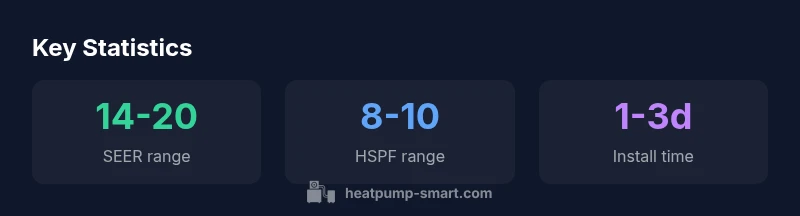
| 3-ton Trane outdoor unit (generic) | 36000 BTU/h | 14-20 | Standard residential configuration; model-dependent |
| 3-ton competitor (generic) | 36000 BTU/h | 13-18 | Varies by efficiency tier and coil |
Your Questions Answered
What does a 3-ton unit mean in practical terms?
A 3-ton unit provides about 36,000 BTU per hour of cooling. Real performance depends on the home’s load, insulation, and climate. Always base selection on a professional load calculation rather than a target BTU alone.
A 3-ton unit equals roughly 36,000 BTU per hour of cooling, but actual performance depends on your home and climate.
Can a 3-ton Trane heat pump cool and heat my entire house?
Yes, if the home load matches 3 tons. A load calculation, insulation quality, and duct design determine suitability. If the house is oversized or undersized for climate, a different size may be more appropriate.
It depends on your home's size and insulation; get a formal load calculation.
What maintenance is required to keep it efficient?
Schedule annual professional checkups, replace or clean filters regularly, clean coils, inspect ducts for leaks, and ensure proper thermostat operation.
Regular checks, clean filters, and coil cleaning keep it efficient.
How do I choose a contractor for a 3-ton Trane installation?
Look for licensed professionals with experience in heat pump installations. Compare several quotes, review warranty terms, and ask for references from similar projects.
Get several quotes and verify licenses.
Are rebates or tax credits available for heat pumps?
In many regions, incentives exist. Check ENERGY STAR, local utility programs, and state or federal tax credits applicable to heat pumps.
Yes—look for local rebates and tax credits.
How long does installation take and what can disrupt the schedule?
Most installations take 1-3 days, depending on existing ductwork, permits, and any necessary upgrades. Weather and crew availability can also affect timing.
Most installations take a couple days.
“Exact sizing and professional installation are the deciding factors in getting the promised efficiency from a 3-ton heat pump. A poorly matched unit wastes energy and comfort.”
Top Takeaways
- Start with a professional load calculation for a 3-ton system.
- Aim for the highest practical SEER within budget.
- Ensure ductwork and refrigerant lines are correctly sized.
- Compare contractor warranties and service plans.
- Plan for a commissioning step to verify performance.