Can a Heat Pump Be Installed on a Roof? A Practical Guide
Explore whether roof mounting is feasible for heat pumps, what roof types work, mounting methods, safety and code considerations, and practical steps for planning and installation.


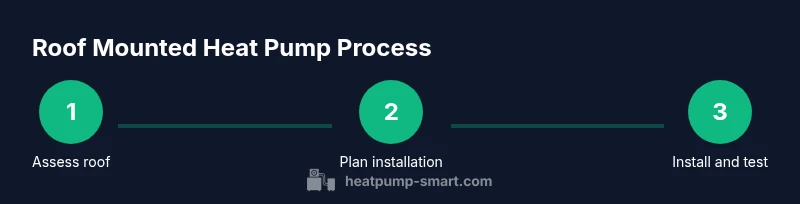
Yes—roof mounting is possible for many homes when the roof and structure can support the unit, and proper mounting hardware, flashing, and service access are planned. A professional assessment is essential to confirm load capacity, wind considerations, and drainage. This guide walks you through feasibility, safety, and the steps to prepare for roof-mounted heat pumps.
Roof-mounted Heat Pumps: Feasibility and Scope
A heat pump can be installed on a roof in many homes, but roof mounting is not a universal solution. The feasibility depends on roof type, structural capacity, local climate, and access for service. According to Heatpump Smart, roof-mounted configurations work best on roofs with solid decking, adequate slope, and clear wind exposure considerations. The Heatpump Smart team found that when a roof is designed to carry heavy outdoor equipment, a professionally engineered mounting plan, weatherproof flashing, and proper vibration isolation are essential to prevent leaks and noise. Roof mounting also frees up ground space and can improve aesthetics, but it introduces wind loads and maintenance challenges that must be planned for. Before proceeding, a licensed HVAC contractor should assess load capacity, flashing options, and service access to confirm viability for your home.
Roof types and structural compatibility
Roof mounting viability varies with roof design. Flat roofs often accept rooftop units with heavier bracket kits and careful flashing, while steep or weak decks may require reinforcement or alternative locations. Pitched roofs can work when mounting brackets attach to structural members and when water drainage is preserved. In all cases, deck integrity, attic clearance, and wind exposure must be evaluated. Heatpump Smart analysis shows that with proper assessment and professional installation, many single-family homes can accommodate rooftop installations without compromising safety or performance. A detailed site survey should verify that the chosen location won’t interfere with vents, chimneys, or skylights and that there is clear access for service and maintenance.
Mounting hardware and load considerations
The outdoor unit adds significant weight and induces dynamic loads from wind and equipment operation. Choose manufacturer-approved mounting rails and brackets designed for your roof type, with vibration isolation pads to minimize noise transmission. Distribute weight across multiple attachment points to reduce local stress on the roof deck. Wind uplift calculations are essential, especially for high-rise or exposed locations. Heatpump Smart emphasizes using a tested, code-compliant mounting kit and hiring a qualified installer to ensure fasteners penetrate into solid framing, not just sheathing.
Electrical and refrigerant routing on a roof
Routing electrical wiring and refrigerant lines across a roof requires careful planning to prevent leaks and voltage drop. Plan penetrations to minimize the number of roof diffusions and seal joints with weatherproof flashing. Electrical connections must meet local codes and be protected from the elements; outdoor-rated wiring and a dedicated disconnect are typically required. Refrigerant line runs should be insulated, as temperature changes along the run affect efficiency and risk condensate. A licensed HVAC technician should verify line size, charge requirements, and safety interlocks during installation.
Access, serviceability, and maintenance on a rooftop unit
Rooftop heat pumps need unobstructed access for routine maintenance and emergency service. Ensure there is adequate clearance around the unit, safe pathways for technicians, and secure fall protection where needed. Consider horizontal or vertical service panels for easier access to filters, coils, and wiring. Noise and vibration control should be evaluated regularly since rooftop installations can transmit more vibration to the building envelope. Heatpump Smart recommends scheduling annual inspections to catch seals, insulation, or bracket wear before problems occur.
Weatherization and drainage around roof-mounted units
Weatherproofing is critical where the outdoor unit meets the roof. Proper flashing, seals, and drainage channels prevent leaks and water damage. Ensure condensate lines have a reliable outlet and do not cause water backflow toward the roof surface. Debris protection, gutter compatibility, and wind-driven rain considerations should guide placement. Inadequate drainage or poor flashing can lead to leaks; therefore, a meticulous waterproofing plan is essential before commissioning the system.
Codes, permits, and safety compliance
Roof-mounted installations typically require permits and adherence to local building codes, electrical codes, and HVAC standards. A structural engineer or building official may review mounting plans, wind uplift calculations, and flashing details. Fall protection and trained technicians are mandatory for working at height. Heatpump Smart highlights the importance of documenting compliance, securing inspections, and ensuring the installation does not void warranties by following the manufacturer’s mounting guidelines.
Costs, savings, and life-cycle considerations
Costs for roof-mounted heat pumps depend on roof type, mounting hardware, structural reinforcement, and permitting. Roof installations can offer space savings and curb appeal benefits that translate into long-term value via energy efficiency and reduced HVAC footprint on the ground. Be sure to compare total installed cost, warranty terms, and expected service intervals. Heatpump Smart guidance emphasizes planning for maintenance access and potential roof-related repair work when evaluating the economics.
Alternatives and decision criteria: When roof mounting is not suitable
If the roof is not structurally suitable or wind exposure is excessive, ground-level, wall-mounted, or indoor unit placements may be preferable. Consider the impact on attic space, insulation, and moisture control. A professional assessment will help balance the benefits of roof mounting against potential risks, lifecycle costs, and warranty terms. Heatpump Smart recommends a decision framework that weighs structural capability, access, climate considerations, and long-term maintenance before committing to a roof-mounted solution.
Authority sources
For those seeking authoritative guidance, consult energy and safety resources. Example sources include energy.gov for heat pump guidance and NREL studies on rooftop installations, along with occupational safety guidance from OSHA to address fall hazards and electrical safety. These references help verify best practices and safety standards for rooftop HVAC projects.
Tools & Materials
- Roof-mounting bracket kit(Includes rails, brackets, and anchors rated for your unit weight)
- Structural assessment report(From a licensed engineer if the roof is older or weaker)
- Weatherproof sealant(Exterior-grade sealant for flashing and joints)
- Mounting rails and fasteners(Corrosion-resistant stainless steel or galvanized)
- Electrical disconnect and wiring(Compliant with local codes; professional installation recommended)
- Rooftop access safety gear(Harness, roof anchors, non-slip footwear)
- Refrigerant line insulation(To minimize heat loss/gain along the run)
- Drainage and condensate management kit(Prevents water accumulation around mounting area)
Steps
Estimated time: 2-4 days
- 1
Assess roof suitability
Review roof type, incline, anchoring, and access points. Confirm deck can support the added weight and vibration. Engage a structural engineer if needed.
Tip: Document roof conditions with photos and measurements. - 2
Check electrical and service requirements
Verify the electrical panel, disconnect location, and wiring capacity for the heat pump's power needs. Ensure outdoor unit has weatherproof supply.
Tip: Consult a licensed electrician to verify code compliance. - 3
Plan refrigerant line routing
Map the route for refrigerant lines from outdoor unit to indoor air handler. Minimize bends to reduce pressure losses and condensation risk.
Tip: Keep lines as short and straight as possible within code limits. - 4
Select mounting hardware and location
Choose brackets and rails that fit the unit footprint and roof type. Ensure the location avoids overhangs that shed debris.
Tip: Position near edge for easier service access with fall protection. - 5
Install mounting framework
Secure rails/brackets to structural members using appropriate fasteners. Verify level and stability before placing equipment.
Tip: Use a spacer to prevent metal-on-roof abrasion. - 6
Route and insulate lines
Run refrigerant lines and electrical conduit through weatherproof hulls; apply proper insulation and sealing around penetrations.
Tip: Seal any gaps to prevent water ingress. - 7
Connect electrical, refrigerant, and controls
Follow manufacturer wiring diagrams. Ensure electrical connections are weatherproof and secure. Test controls and safety interlocks.
Tip: Turn off power before any connection; verify ground fault protection. - 8
Commission, test, and monitor
Power up, perform safety checks, leak tests, and performance verification. Observe vibration, noise, and airflow.
Tip: Document readings and set maintenance reminders.
Your Questions Answered
Is it feasible to mount a heat pump on all roof types?
Not all roofs are suitable. Flat and strong pitched roofs can work with proper mounting, while weak decks or steep slopes may require reinforcement or alternative placements or indoor installation.
Feasibility depends on structure and slope; a professional assessment is essential.
What roof conditions affect roof-mounted heat pump viability?
Roof condition, weight-bearing capacity, wind exposure, and water drainage all affect viability. An engineer can confirm if reinforcement is needed.
Weight capacity and wind exposure are key factors.
How long does a rooftop installation take?
Typical rooftop installation spans several days, depending on roofing type and permitting. A professional team can provide a timeline after assessment.
A multi-day process coordinated by a licensed contractor.
Will roof mounting affect warranty?
Roof mounting can impact product and installer warranties if not performed per manufacturer guidelines. Verify with the installer.
Warranty terms may change if mounting isn’t done according to specs.
Are there safety hazards with rooftop installations?
Yes. Working on a roof involves fall risks, weather hazards, and electrical safety concerns. Use fall protection and follow safety protocols.
Roof work has fall risks; use proper safety gear and follow protocols.
What maintenance is required after rooftop installation?
Regular inspection of mounting brackets, seals, lines, and condensate management helps prevent leaks and noise issues.
Regular checks on seals and lines keep the unit reliable.
Watch Video
Top Takeaways
- Evaluate roof suitability before planning.
- Choose proper mounting hardware for your roof type.
- Coordinate electrical and refrigerant routing with the contractor.
- Perform thorough commissioning and leak testing.
- Roof mounting may affect warranty—confirm terms with the installer.