How to Heat Pump Installation: A Practical Guide
Learn how to install a heat pump from planning through commissioning. This step-by-step guide covers sizing, permits, electrical work, refrigerant safety, and best practices for energy efficiency.


With this guide you will learn how to perform a safe heat pump installation from planning to commissioning. You’ll cover sizing, permits, electrical work, refrigerant safety, indoor/outdoor unit placement, and post-install checks. Local codes vary by region, so always verify requirements with your local authority and consider professional assistance when needed.
Site readiness and goals
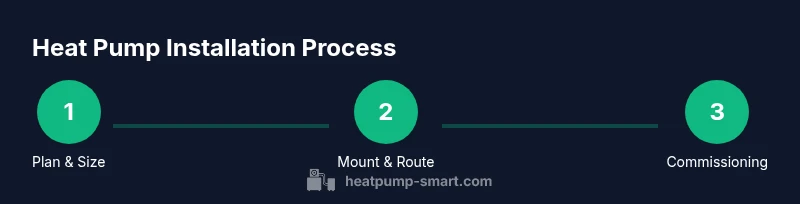
A successful heat pump installation starts with a clear plan. Begin by defining the space you want conditioned, evaluating climate influences, and establishing performance goals that align with your home’s insulation and ductwork. You should confirm that the proposed system matches your climate zone, typical occupancy patterns, and budget constraints. This planning phase sets the foundation for sizing accuracy, energy efficiency, and long-term comfort. According to Heatpump Smart, a thoughtful upfront assessment reduces post-install surprises and helps ensure the selected equipment delivers the expected savings and reliability.
Key considerations include evaluating the existing electrical service, the accessibility of outdoor mounting, ductwork compatibility, and potential space reallocation for optimal airflow. Gather architectural drawings if available, and note any future renovations that could affect load or ventilation. A solid plan also accounts for warranty conditions and service accessibility, so you can maintain the system cost-effectively over its life.
Sizing and capacity fundamentals
Accurate sizing is essential for efficiency and comfort. Oversized units cycle on and off too frequently, wasting energy, while undersized units struggle to meet peak loads. Sizing involves calculating heating and cooling loads, considering insulation quality, window orientations, air leakage, and climate specifics. While many homeowners rely on a professional Manual J calculation, you can begin with rough rules of thumb to set expectations for performance. Focus on COP and HSPF ratings along with seasonal efficiency targets. A correctly sized system improves comfort, reduces wear, and lowers operating costs in the long run. Heatpump Smart’s guidance emphasizes pairing the right capacitor and fan speeds with your ductwork to maintain air balance and minimize noise.
Choosing between air-source and geothermal options
Air-source heat pumps are typically easier to install and cost less upfront, with performance tied to outdoor temperatures. Geothermal systems use ground loops and can deliver higher efficiency but require more extensive excavation and permitting. Your decision should weigh installation complexity, available space, climate resilience, and long-term energy savings. For homes with existing ducts, an air-source unit may offer the quickest upgrade path, while new builds or renovations in moderate climates may benefit from geothermal if the site allows. Heatpump Smart notes that local incentives and soil conditions heavily influence total value.
Permits, codes, and incentives
Most jurisdictions require at least an electrical permit and potentially a mechanical or refrigerant-handling permit for heat pump installations. Always confirm requirements with your local building department before starting. Documentation for gas or electric inspections may be needed, along with refrigerant leak checks and system commissioning forms. In many regions, tax credits, rebates, or utility incentives exist for high-efficiency heat pumps. Collect quotes, compare contractor qualifications, and verify warranty terms before committing to equipment and labor. Heatpump Smart advises tracking all permit approvals and inspection dates to avoid delays.
Equipment matching and selection considerations
Match outdoor condenser capacity to indoor coil and ductwork capacity. Look for SEER, EER, COP, and HSPF ratings to estimate annual energy use and comfort levels. Consider refrigerant type, noise ratings, warranty coverage, and compatibility with smart thermostats or zoning systems. If you’re retrofitting, ensure airflow can meet fresh-air ventilation requirements without creating negative pressure in living spaces. The right combination of components minimizes heat losses and improves seasonal efficiency, especially in shoulder seasons when outdoor temperatures fluctuate. Heatpump Smart suggests confirming that wiring, control boards, and condensate drainage are compatible with your home’s existing systems.
Site assessment and installation preparation
Before any equipment moves, conduct a thorough site assessment. Survey potential mounting locations for the outdoor unit to minimize sound transmission and ensure proper airflow, with at least the manufacturer’s recommended setback from walls and obstructions. Inspect indoor mounting space for the air handler, ensuring unobstructed duct runs, accessible service access, and proper drainage. Prepare the site with protective pads, vibration isolation, and weatherproofing to prevent moisture intrusion. Plan refrigerant line routing to avoid sharp bends, minimize length, and preserve insulation. Heatpump Smart highlights that a clean, organized work area reduces installation errors and improves safety.
Indoor and outdoor mounting considerations and connections
Outdoor units require level, solid foundations and clearances for maintenance. Indoor units demand appropriate mounting in mechanically quiet locations with simple access to ducts and condensate lines. Ensure refrigerant lines are insulated and protected from physical damage, and that electrical disconnects, contactors, and wiring are correctly sized for the system. Use secure brackets, anti-vibration mounts, and weatherproof enclosures where needed. Establish a clear path for service technicians to access controls and filters. Proper mounting minimizes vibration, noise, and structural stress over time.
Refrigerant handling, piping, and leak testing
Refrigerant safety is critical. Only qualified technicians should handle refrigerant and perform leak tests using approved equipment. Run copper lines with proper crimping, brazing, and insulation; avoid kinks that can restrict refrigerant flow. After assembly, perform a vacuum test to remove moisture and non-condensables before charging. Use a refrigerant charge according to the manufacturer’s specifications and verify pressures with a manifold gauge system. Leaks and improper charges degrade efficiency and may void warranties. Heatpump Smart emphasizes strict adherence to environmental and safety regulations during this phase.
Electrical wiring, controls, and safety features
Electrical work must meet local code requirements and involve a licensed electrician. Install disconnects, grounding, and proper overcurrent protection. Verify thermostat compatibility, wire size, and communication protocols for any zoning or smart-control features. Ensure backup heat controls are correctly configured and that safety interlocks prevent operation during service. Label all cables clearly and keep a tidy, accessible electrical area for future maintenance. A well-executed electrical setup reduces startup risks and ensures reliable operation.
Commissioning, testing, and initial performance checks
Commissioning validates that all components function as designed. Check for proper airflow, refrigerant charge, duct balance, and thermostat communication. Run a full system test across heating and cooling modes, observe outdoor unit cycling, and listen for abnormal sounds. Document temperatures, pressures, and airflow measurements to establish a baseline for future maintenance. If any alarms appear on the control board, address them promptly and re-test. Heatpump Smart reminds readers that a thorough commissioning step is essential for long-term efficiency and reliability.
Ongoing maintenance and a long-term care plan
Establish a maintenance schedule that includes filter replacement, coil cleaning, refrigerant leak checks, and annual professional inspections. Regularly inspect condensate drains to prevent overflow and check electrical connections for signs of wear. Plan for seasonal checks before peak heating or cooling periods, and adjust thermostat settings to reflect occupancy and weather patterns. Maintain a service log to track replacements, repairs, and performance trends. A proactive maintenance mindset preserves efficiency, comfort, and system lifespan.
Common installation mistakes to avoid
Avoid oversizing the system, which leads to short cycling and humidity issues. Do not neglect ductwork integrity or insulation, as leaks dramatically reduce efficiency. Skipping permits or failing to follow refrigerant handling rules can invalidate warranties and create safety risks. Improper refrigerant charging or wiring can cause compressor damage or thermal strain. Finally, neglecting post-install commissioning can leave subtle performance gaps that only show up after months of operation. Heatpump Smart urges careful attention to detail at every step to maximize reliability and savings.
Tools & Materials
- Digital multimeter / voltage tester(Essential for verifying circuits before work begins)
- Refrigerant gauge set(For pressure checks and charging verification)
- Vacuum pump(Must achieve deep vacuum to remove moisture)
- Manifold and charging hoses(For accurate refrigerant charging)
- Torque wrench (metric/imperial)(Proper torque on flare fittings and mounting bolts)
- Copper refrigerant lines (pre-insulated)(Match gauge to system capacity)
- Insulation for lines (min. 1/2 inch)(Prevents heat gain/loss and condensation)
- Riser brackets and anti-vibration mounts(Reduces noise and vibration transfer)
- Electrical disconnects and conduit(Code-compliant wiring protection)
- Weatherproof sealant and duct tape(For sealing joints and weatherproofing)
- Refrigerant (per system spec)(Only handled by licensed technician)
- Safety PPE (gloves, goggles, respirator if needed)(Protects against refrigerant exposure and debris)
Steps
Estimated time: 8-12 hours
- 1
Assess site and plan
Review the proposed installation site, available space, and access routes for equipment. Confirm electrical panel capacity and the path for refrigerant lines, aiming for minimal line length and no sharp bends. Align the plan with local codes and warranty requirements.
Tip: Document the setup with photos or sketches for future maintenance. - 2
Shut off power and verify safety
Turn off the main electrical supply to the installation area and lock out the circuit. Use a voltage tester to confirm that circuits feeding the unit are de-energized before touching any wires or components.
Tip: Always assume circuits are live until tested; work with a partner when possible. - 3
Mount indoor and outdoor units
Install the outdoor condenser on a level, vibration-isolated pad and secure it per manufacturer instructions. Mount the indoor air handler in a location with unobstructed duct connections and easy service access.
Tip: Leave sufficient clearance around both units to allow for airflow and future service work. - 4
Route refrigerant lines and condensate drain
Lay refrigerant lines with minimal bends, insulate them thoroughly, and protect them from physical damage. Install a condensate drain that complies with local codes and ensures proper drainage.
Tip: Keep line lengths as short as practical to reduce potential pressure drop. - 5
Electrical connections and controls
Run appropriately rated power wiring and install the disconnects, ensuring correct grounding. Connect thermostat wires and verify communication with any zoning or smart control modules.
Tip: Label all wires clearly and secure connections to avoid vibration-induced loosening. - 6
Evacuate and charge system
Use a vacuum pump to evacuate the system until the pressure reaches a deep vacuum level. Introduce refrigerant per the manufacturer’s charge specification and verify superheat or subcooling as required.
Tip: Check for leaks before and after charging; never exceed recommended pressures. - 7
Initial startup and commissioning
Power up the system and perform a full startup test in heating and cooling modes. Confirm airflow, temperatures, and control responses align with design specifications.
Tip: Record start-up data to compare with future performance checks. - 8
Document and finalize
Provide warranty registrations, maintenance schedules, and any local permit closures. Create a service log for future inspections and keep all manuals readily accessible.
Tip: Store documentation with the home’s planning files for easy reference.
Your Questions Answered
What permits are required for heat pump installation?
Most areas require electrical or mechanical permits for refrigeration work. Always confirm with your local building department and obtain approvals before commencing. This helps ensure code compliance and valid warranty coverage.
Most places require electrical or mechanical permits; check with your local authority before starting installation.
Can I install a heat pump myself?
DIY installation is possible for experienced homeowners, but much of the work involves electrical, refrigerant handling, and code compliance that typically requires licensed professionals. Consider hiring pros to avoid safety hazards and warranty issues.
DIY is possible for skilled individuals, but many tasks require licensed trades and code compliance.
What factors affect the cost of installation?
Costs vary based on equipment efficiency, system type, ductwork needs, and labor. Get multiple quotes to compare equipment prices, permitting fees, and service warranties.
Costs depend on efficiency, installation complexity, and labor; obtain several quotes.
What is the difference between air-source and geothermal heat pumps?
Air-source units are generally easier to install and cheaper upfront, while geothermal systems offer higher efficiency in some climates but require more site work. Your climate, soil conditions, and budget influence the choice.
Air-source is easier and cheaper upfront; geothermal can be more efficient but needs more site work.
How long does installation take?
A typical retrofit installation can take a full day for a standard home, while complex renovations may extend this timeline. Schedule time for permits and inspection as needed.
Most installs take a day, with longer timelines for complex retrofits.
What maintenance is required after installation?
Schedule annual professional inspections, replace filters regularly, check refrigerant lines for leaks, and verify thermostat performance. Keeping a maintenance log helps sustain efficiency and comfort.
Annual professional checks plus regular filter changes keep the system efficient.
Watch Video
Top Takeaways
- Start with site planning and goal setting.
- Size the system accurately to maximize efficiency.
- Choose between air-source and geothermal based on site conditions.
- Secure all permits and document every step.
- Commission thoroughly and maintain a proactive service plan.