Do It Yourself Geothermal Heat Pumps: Planning, Safety & Steps
A comprehensive guide to planning a do-it-yourself geothermal heat pump project, with safety, cost considerations, permits, and when to hire professionals for installation.


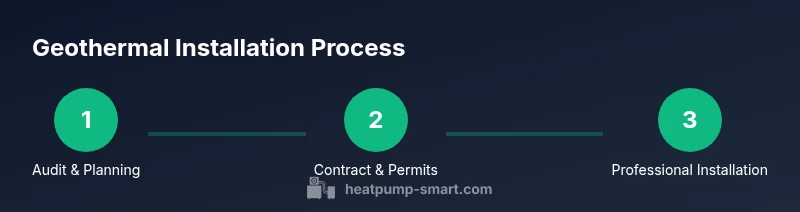
Do-it-yourself geothermal heat pump work is limited to planning and safe, non-hazardous tasks; core installation—loop drilling, trenching, and refrigerant handling—must be performed by licensed professionals. Start with a professional load calculation, compare ground-source options to air-source heat pumps, and verify permits before any work. Also consider long-term maintenance plans and the potential for performance gaps if installations are not optimized.
How Geothermal Heat Pumps Work
Geothermal heat pumps (GHPs) move heat between your home and the earth using a closed loop filled with a heat-transfer fluid. In heating mode the loop absorbs heat from the ground, a temperature that remains relatively stable year-round, and the heat pump concentrates it into your living space. In cooling mode the process reverses, sending indoor heat back into the loop. Because the earth/ground loop tends to be warmer than winter outdoor air and cooler than summer outdoor air, GHPs can achieve higher efficiencies than conventional furnaces or air-source heat pumps in many climates.
A key performance metric is the coefficient of performance (COP) during heating and the heating seasonal performance factor (HSPF). These values reflect how much heat the system generates per unit of electricity, with higher numbers indicating better efficiency. Another commonly cited metric is the system's annual operating cost relative to your climate, insulation, and occupancy patterns. The system arrangement matters: horizontal loops in shallow trenches suit larger lots; vertical loops in boreholes minimize surface disruption but require heavy equipment and specialist drilling.
Heatpump Smart notes that when properly designed, ground-source systems offer consistent comfort with lower operating costs over time. The trade-offs include higher upfront costs and longer payback periods, which are highly dependent on local geology, permitting, and the chosen loop arrangement. Homeowners should weigh life-cycle costs, local incentives, and climate suitability before selecting geothermal as a primary heating and cooling solution.
What You Can Do Yourself (Non-Hazardous Planning)
Non-hazardous planning tasks can set you up for a smoother installation. Start with a home energy audit to identify insulation gaps, air leaks, and window performance. Use a simple load calculation to establish target heating and cooling capacity. Compare geothermal options against air-source heat pumps in your climate, factoring in local incentives. Heatpump Smart analysis shows that the biggest savings come from correct sizing and high-performance distribution, not from choosing a flashy unit. Collect energy bills for the past year to understand seasonal swings and to guide decisions about insulation upgrades, window replacements, and duct improvements. By focusing on envelope improvements first, you improve overall system performance and reduce required loop length and size, which can influence both cost and feasibility.
If you’re unsure about the site or the hardware, consult a qualified HVAC professional early in the planning phase. While planning tasks are often feasible for do-it-yourselfers, remember that the underground loop and refrigerant work require licensed professionals and proper permits to meet safety and code requirements.
Why DIY Is Limited for Geothermal Projects
DIY work is typically limited to planning, audits, and non-hazardous tasks. The underground loop installation (whether trenching for horizontal loops or boring for vertical loops), drilling, and refrigerant handling fall under specialized disciplines with significant safety, environmental, and code implications. Incorrect loop placement can reduce efficiency and void warranties. Electrical work for a heat pump also requires adherence to local codes and may require permits. Even if a homeowner handles layout and integration, the critical installation steps should be executed by licensed technicians to ensure system performance and safety. The goal is reliable comfort, not a rushed project that creates future repairs or safety risks. Heatpump Smart emphasizes that proper sizing and professional installation are central to achieving expected energy savings and comfort.
Step 1: Start with an Energy Audit and Load Calculation
Begin with a thorough energy audit of the home. Map insulation levels, window performance, infiltration, and thermal bridges. Use a recognized load calculation method or software to estimate the heating and cooling demand. This establishes whether a geothermal system is a good match and what size the indoor and outdoor components must be. Keep notes on equipment age, duct leakage, and current thermostats. Accurate input data reduces the risk of oversizing or undersizing, which directly affects efficiency and comfort. In this phase, you’ll also identify envelope improvements (sealants, insulation upgrades, door drafts) that can lower the system’s required capacity and shorten payback.
Step 2: Compare Geothermal with Other Technologies
Evaluate ground-source geothermal against alternatives such as air-source heat pumps and high-efficiency furnaces. In some climates, a high-efficiency air-source heat pump may deliver comparable comfort at a lower upfront cost and without the complexities of drilling or trenching. Consider long-term energy costs, climate suitability, available incentives, and the potential for hybrid systems that switch between strategies. A thorough comparison includes not only installed cost but also annual operating costs, maintenance requirements, noise impacts, and space needs for equipment and piping. Heatpump Smart analysis shows that choosing the right technology hinges on accurate load matching, climate, and the willingness to invest in envelope upgrades.
Step 3: Site Assessment and Feasibility
Assess the site’s suitability for a geothermal loop. Factors include lot size, soil type, groundwater presence, and the potential for trenching or borehole drilling. Soil composition and rock depth influence loop design and cost. Space for equipment inside the building, access for maintenance, and proximity to existing utilities also matter. Local geologic conditions can dramatically affect performance. If your site fails to meet minimum requirements, the project may not be cost-effective, or it may require alternative approaches that a professional can propose.
Step 4: Permits, Codes, and Contractor Selection
Research local permitting requirements early and secure the necessary approvals before construction begins. Obtain a clear, written contract with a licensed installer that outlines scope, responsibilities, warranties, and post-installation support. Ensure the installer holds appropriate licenses and that refrigerant handling, electrical work, and drilling are performed by qualified professionals. Verify equipment warranties and commissioning procedures so you know what to expect during and after installation. The right contractor will provide a detailed plan, a realistic timeline, and transparent pricing that includes disposal of any excavated material.
Step 5: Indoor Layout and System Integration (Non-Loop)
Plan the indoor placement of the heat pump/air handler, along with ductwork or radiant distribution, and zoning controls. Ensure there’s adequate clearance for service access, clean air delivery, and condensation management. Install smart thermostats and zoning if your home benefits from it, and plan for integration with other home automation systems. Pay attention to ventilation requirements, humidity control, and potential noise sources in the equipment closet. A well-designed indoor layout reduces friction during commissioning and improves long-term performance.
Step 6: Handover, Commissioning, and Long-Term Maintenance
After installation, commissioning verifies that the system operates as designed. A licensed technician should confirm refrigerant charge, loop integrity, controls sequencing, and efficiency targets. Schedule a maintenance visit for periodic inspections of mechanical components, seals, and air and refrigerant pathways. Keep a maintenance log, monitor energy bills, and address envelope performance improvements as needed. Although you can manage some monitoring tasks, the critical checks belong to a professional team to ensure safety and efficiency over the system’s life.
Common Finance, Financing & Incentives Considerations
Budget for upfront costs, permits, and long-term savings when comparing geothermal with other options. Look for rebates, tax credits, and utility programs that can improve return on investment. Financing terms, loan availability, and payback periods vary by region, utility incentives, and project specifics. A conservative approach considers a staged plan separating envelope improvements from the geothermal installation to spread costs, while still capturing energy savings as soon as possible.
Final Note: Realistic Expectations and Next Steps
Geothermal installations can deliver durable comfort and energy savings, but success hinges on site feasibility, proper sizing, professional installation, and thoughtful system integration. Use planning and audits to set realistic expectations, and be prepared to collaborate with qualified professionals for the critical components. With careful preparation, you can position your home for lower operating costs and a more stable climate year-round.
Tools & Materials
- Energy audit checklist(Document insulation, windows, air leaks)
- Load calculation tool(Software or spreadsheet for sizing)
- Thermostat with zoning(Smart thermostat recommended)
- Infrared thermometer or thermal camera(Useful for envelope assessment)
- Personal protective equipment (PPE)(Gloves, safety glasses)
- Permits and contractor contracts(Keep copies and terms)
- Basic hand tools(Tape measure, screwdrivers, level)
Steps
Estimated time: 4-8 weeks
- 1
Perform a home energy audit and load calculation
Document insulation, windows, air leakage, and compute heating/cooling loads using software or a calculator. Ensure accuracy to prevent oversized equipment and wasted energy. Gather utility bills and note seasonal variations to inform envelope improvements.
Tip: Accurate inputs reduce the risk of mismatched equipment. - 2
Compare geothermal with alternatives
Assess ground-source and air-source options, considering climate, costs, and incentives. Create a side-by-side comparison of expected energy use, installation complexity, and long-term maintenance.
Tip: Consider a hybrid approach if your climate is marginal for geothermal alone. - 3
Assess site feasibility
Evaluate lot size, soil type, groundwater, and access for drilling or trenching. Confirm space for equipment and equipment access for maintenance. If site conditions limit feasibility, consider alternative cooling/heating strategies.
Tip: Site constraints can dramatically raise cost or rule out a loop option. - 4
Secure permits and define a contract
Investigate local permitting requirements, obtain needed approvals, and sign a detailed contract with a licensed installer. Ensure warranty terms and post-installation support are clear.
Tip: Include a clear commissioning plan and acceptance criteria in the contract. - 5
Plan indoor layout and controls
Design space for the outdoor unit, indoor air handler, ductwork or radiant lines, and zoning. Plan for humidity control and condensation management, plus integration with smart controls.
Tip: Allow easy access for service and future filter changes. - 6
Coordinate with licensed installer
Share load calculations, site data, and performance goals with the installer. Schedule the work window and confirm access to electrical panels and drilling sites.
Tip: Provide all site data in a single packet to avoid back-and-forth delays. - 7
Oversee installation and commissioning
Attend final checks, confirm refrigerant charging is performed by a pro, and review commissioning tests. Verify that the system meets performance targets before signing off.
Tip: Do not sign off until actual performance matches the design intent. - 8
Set up maintenance plan
Schedule seasonal checks and implement envelope optimization for efficiency. Maintain a log of service visits, energy use, and any equipment notes.
Tip: Keep records to track performance trends over time.
Your Questions Answered
Is a DIY geothermal heat pump feasible for a typical home?
Feasibility depends on site and regulatory restrictions. Homeowners can handle planning, audits, and non-hazardous tasks, but drilling and refrigerant work require licensed professionals.
In most cases, DIY planning helps, but professionals must handle installation.
What are the biggest risks of a DIY geothermal project?
Incorrect sizing, unsafe drilling, refrigerant mishandling, and noncompliance with codes can lead to poor performance or safety hazards. Always verify local regulations.
The main risks are safety and code compliance.
What costs should I expect when hiring a pro for installation?
Professional installation costs vary by site, loop type, and labor. Obtain several written quotes before committing.
Costs vary; get multiple quotes.
What maintenance can I do myself after installation?
Regularly change filters, inspect ductwork, and monitor energy bills. Schedule annual professional checks for refrigerant levels and loop integrity.
Do basic checks and schedule professional service.
How long does a geothermal heat pump project typically take?
Planning and permits can take weeks; installation depends on site; expect several weeks total from planning to commissioning.
Timeframes depend on site and permits.
Are there financing options or rebates for geothermal upgrades?
Many regions offer incentives; check local government and utility programs and factor in term lengths when evaluating ROI.
Incentives can improve ROI.
Watch Video
Top Takeaways
- Start with an honest load calc
- Geothermal loops require licensed installation
- Compare with air-source options
- Prepare permits and contracts early
- Plan indoor layout before drilling