Do You Need New Radiators with a Heat Pump? A Practical Guide
Determine radiator compatibility for a heat pump, when upgrades are worth it, and how to plan a cost-effective installation with expert guidance. Learn how to match emitters to low-temperature heat pumps for home comfort and energy savings.


Do you need new radiators with a heat pump? It depends on your current radiator heat output, system temperature, and your home's design. In many cases, existing radiators can work with a low-temperature heat pump, but some homes benefit from upgraded or oversized radiators for even comfort. This guide helps you assess compatibility and plan upgrades.
Do you need new radiators with a heat pump?
If you’re considering a heat pump, you may wonder whether your current radiators will suffice. The question do you need new radiators with a heat pump often hinges on several practical factors: the radiator heat output, the lower water temperatures typical of heat pumps, and the overall insulation of your home. According to Heatpump Smart, many homes can reuse existing radiators if they are appropriately sized for low-temperature operation and paired with a well-insulated envelope. However, some layouts and older radiators lack the surface area needed to maintain comfort, which means upgrades or replacements may be warranted. This section lays out a clear path to evaluate your current emitters, understand compatibility, and decide on upgrades without guesswork.
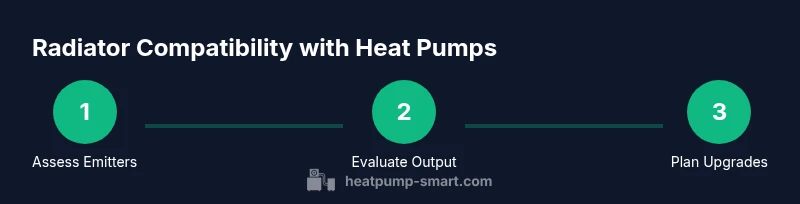
In practice, you’ll want to (a) verify each radiator’s heat output, (b) compare it against your heat pump’s design specification, and (c) confirm room-by-room heat balance. A thoughtful assessment helps you avoid overspending on radiators you don’t need while still achieving even warmth throughout the house. Heatpump Smart Team emphasizes the value of starting with a professional assessment to set realistic expectations for performance and comfort.
wordCountPadding":0
format":"markdown"},{
How heat pumps interact with existing radiators
Heat pumps deliver heat at lower water temperatures compared with traditional boilers, which means radiators must provide sufficient heat transfer at those cooler temperatures. If radiators are undersized or poorly distributed, rooms can stay chilly or take longer to warm up. A balanced system—proper radiator size, correct valve type, and accurate pump settings—helps ensure consistent comfort and efficiency. The Heatpump Smart Team notes that many homes achieve good results by reusing existing emitters when they are rated for the heat-pump operating range and when the home’s insulation and air sealing are solid. In other cases, upgrading specific radiators or increasing their surface area yields better performance and avoids overworking the heat pump.
Before deciding, map each room’s heat-loss characteristics and compare them to the radiator’s heat-transfer capacity at the heat-pump temperatures. A well-balanced layout reduces hot-cold spots and promotes even warmth across levels.
Tools & Materials
- Measuring tape(2–3 meters to measure room dimensions and radiator sizes)
- Infrared thermometer (optional)(To quickly assess radiator surface temperatures in use)
- BTU calculator or radiator sizing chart(Online tool or printed chart to estimate needed output)
- Pen and notebook(Record measurements, room names, and observations)
- Safety gloves(Handling radiators and valves safely during assessment)
Steps
Estimated time: 2-5 days
- 1
Gather current radiator data
Measure each room’s dimensions, count radiators, and note their types (panel, column, cast-iron). Collect existing radiator wattage/BTU ratings if available from labels or manuals. This baseline helps you compare against the heat pump’s output and room heat loss.
Tip: Document all radiators and room specifics to avoid missing zones. - 2
Check your heat pump’s capabilities
Consult the heat pump’s specification for its typical operating water temperature and output at low-temperature mode. This determines whether your current emitters can meet demand, or if upgrades are needed in key rooms.
Tip: Ask your installer for a simple compatibility table for quick reference. - 3
Assess room-by-room heat balance
Estimate heat loss per room using window area, insulation quality, and occupancy patterns. Compare these losses to the radiator’s rated output at the heat pump’s operating point. Rooms with high losses are prime candidates for radiator upgrades or additional emitters.
Tip: Prioritize problem zones first to maximize comfort quickly. - 4
Decide on upgrade scope
If several rooms show insufficient output, plan upgrades to larger radiators or higher-output models in those zones. Consider combining radiator upgrades with improved insulation or weather sealing for best results.
Tip: Avoid upgrading every radiator at once; staged upgrades reduce risk and cost. - 5
Choose radiator types and valve configurations
Select radiators that provide ample surface area and compatible valves (TRVs and lockshields) for balanced flow. Panel radiators with appropriate surface area are usually a good match for low-temperature heat pumps.
Tip: Ensure valve compatibility with your system pressure and flow characteristics. - 6
Coordinate professional installation
Engage a licensed HVAC technician to confirm sizing, install upgraded emitters, and rebalance the system after changes. They can also verify electrical and refrigerant components where needed.
Tip: Get a written plan with scope, timelines, and warranty details. - 7
Test and optimize
Run the system and monitor room temperatures, radiator temperatures, and overall comfort. Make small adjustments to valve settings and pump speed to achieve even warmth without overloading the heat pump.
Tip: Schedule a follow-up check if cold spots reappear after seasonal changes.
Your Questions Answered
Do existing radiators work with a heat pump?
Often yes, if they have sufficient surface area and are rated for low-temperature operation. A professional assessment confirms whether upgrades are needed for comfort and efficiency.
Yes, many existing radiators work, but a quick professional check will confirm compatibility and comfort potential.
What are the signs my radiators are undersized for a heat pump?
Slow heating, cold spots, uneven temperatures, and rooms that never reach the desired warmth indicate undersized emitters.
Look for slow warm-up and cold spots in rooms to spot undersized radiators.
How much does radiator upgrading cost?
Costs vary by radiator type, size, and labor. Ask for an itemized quote that covers radiators, valves, and installation, and compare staged options.
Prices vary by project; get a detailed quote to compare options.
Can I install radiators myself?
No—radiator work involves pressure, insulation, and safe handling of hot water. Hire a licensed HVAC technician for assessment and installation.
This is a job for a professional to ensure safety and proper function.
What temperatures should the heat pump run at with radiators?
Heat pumps typically operate at lower water temperatures for radiators, so proper sizing and balance are crucial to maintain comfort.
Expect lower temperature operation and let a pro optimize the balance for your home.
Is underfloor heating a good alternative to radiators with a heat pump?
Underfloor heating is a viable alternative but may involve higher upfront costs and different installation requirements. Many homes use a hybrid approach.
Underfloor heating works well with heat pumps but consider costs and timetables.
Watch Video
Top Takeaways
- Assess radiator output against heat-pump capabilities before upgrading
- Upgrade radiators only where needed to balance comfort and cost
- Professional evaluation ensures correct sizing and safe installation
- Balance and valve optimization are essential for low-temperature systems
- Insulation improvements amplify the benefits of a heat pump with radiators