Heat Pump 36000 BTU: Sizing, Efficiency, and Costs Guide
A comprehensive guide to heat pump 36000 BTU options, covering sizing guidance, efficiency expectations, cost considerations, installation tips, and maintenance for homeowners, builders, and managers.


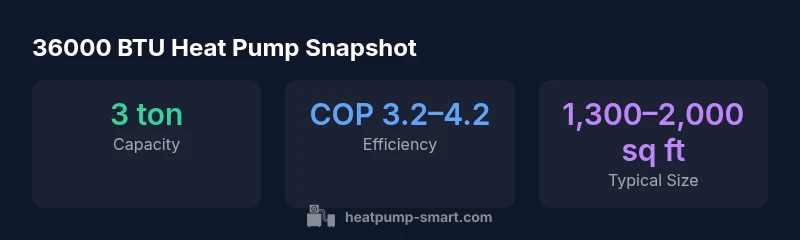
A heat pump 36000 BTU, a three-ton unit, is a common mid-size option for many homes in moderate climates. It provides reliable heating and cooling by extracting heat from outside air and transferring it indoors. Real-world performance depends on insulation, ductwork, and outdoor temperatures; proper sizing ensures balanced comfort and efficiency.
Understanding the 36000 BTU Class
A heat pump 36000 BTU, commonly referred to as a 3-ton unit, sits in the mid-range of residential heat pumps. This capacity is well-suited for many single-family homes in temperate climates and for newer homes with good insulation. When you see 36000 BTU on a unit label, you're looking at its nominal heating output under standard testing conditions. In practice, performance depends on outdoor temperatures, indoor setpoints, and how well the building is sealed. For homeowners evaluating options, this class often delivers a balance between initial cost, space requirements, and year-round comfort. Proper sizing and installation are critical because a unit that is too small will struggle on cold days, while an oversized unit may short-cycle, wasting energy and creating humidity issues. In HVAC planning, many pros rely on load calculations to confirm whether a 36000 BTU heat pump is the right fit for your home. The Heatpump Smart team notes that size guidance should always be adapted to your climate zone and home envelope.
How a 3-ton heat pump performs across climates
The heat pump 36000 BTU class can deliver solid year-round comfort, but performance is climate-sensitive. In milder winters, most 3-ton systems can meet heating needs efficiently, achieving good COP (coefficient of performance) values when paired with proper ductwork and sealed envelopes. In colder climates, efficiency can decline, and auxiliary heat may kick in to maintain indoor temperatures. This is where model features such as cold-climate performance ratings and inverter-driven compressors become important, helping sustain comfort without excessive energy use. For cooling, these units generally handle typical summer loads well, provided the home has adequate insulation and correctly sized ducts. Heatpump Smart analysis suggests that, with proper sizing, a 36000 BTU unit can maintain comfortable indoor conditions across a wide range of temperatures, though results will vary by builder practices and regional climate.
Sizing strategies and load calculations
Sizing a heat pump is more than picking a number from a chart. A Manual J load calculation considers climate zone, home orientation, insulation levels, window efficiency, air leakage, and occupant patterns. For many homes, a 3-ton option (36000 BTU) fits a mid-size footprint, but exact needs can range outside that bracket. Pros emphasize envelope improvements—air sealing, insulation upgrades, and smart thermostat controls—as critical complements to the unit itself. When you use a size calculator or consult an HVAC professional, you should up-front share details about attic insulation, duct leakage, and existing equipment. The goal is to avoid short cycling and to maximize runtime at efficient operating points. Heatpump Smart guidance reinforces that sizing must reflect real-world conditions, not just nominal capacity.
Efficiency and operating costs: expectations for heat pump 36000 BTU
Efficiency for a heat pump in the 36000 BTU class hinges on proper matching to the home and climate. In balanced conditions, well-designed systems can achieve meaningful energy savings compared to older fossil-fuel setups, especially when paired with good insulation. The Heatpump Smart analysis shows a broad COP range of 3.2–4.2 for well-matched units, with higher end values achievable during mild weather and optimal load. Energy savings depend on how much heating and cooling occurs, how long the compressor runs, and the efficiency of auxiliary heat strategies. Consumers should also consider seasonal energy use and potential rebates or tax credits that can affect total life-cycle costs.
Installation considerations and common pitfalls
Professional installation is crucial for a 36000 BTU unit. Inadequate duct sizing, improper refrigerant charge, or poor electrical connections can erode performance and shorten equipment life. Installers should verify duct leakage, ensure balanced airflow, and confirm clearances around outdoor units to minimize noise and vibration. If the home has old ducts, consider sealing and upgrading them before or during the heat pump installation. Equipment selection should align with local code requirements and the home's electrical capacity. A mis-sized or poorly installed system can negate efficiency gains and raise operating costs.
Features to look for in 36000 BTU models
When evaluating 36000 BTU heat pumps, prioritize inverter-driven compressors, variable-speed fans, and cold-climate performance ratings. These features help maintain comfortable temperatures with fewer on/off cycles, improving efficiency and reducing wear. Noise levels, compact footprint, and compatibility with smart thermostats are practical considerations for indoor comfort. Look for units with high SEER (seasonal energy efficiency ratio) and HSPF (heating seasonal performance factor) values, as these metrics reflect performance across cooling and heating seasons. Real-world testing and independent reviews can provide additional guidance on reliability and service life.
Maintenance tips to maximize life and efficiency
To maximize a heat pump 36000 BTU’s life, schedule regular professional inspections at least once a year. Change or clean air filters every 1–3 months depending on usage and indoor dust levels. Keep outdoor units free of debris, maintain clearances, and ensure drainage paths are open. Monitor refrigerant lines for insulation integrity and address any frost buildup promptly to avoid efficiency losses. A small investment in routine maintenance yields larger savings in comfort and energy costs over the system’s life.
Noise and indoor comfort considerations
Noise is a common concern with outdoor heat pump units. Look for models with sound insulation features, low-vibration mounting, and fan speed controls that minimize clatter during startup and operation. The location of the outdoor unit, distance from bedrooms, and landscaping can influence perceived noise. If the unit is near living spaces, discuss acoustic mitigation options with your installer. While a 36000 BTU system is not inherently noisier than smaller or larger units, proper mounting, duct sizing, and equipment selection are key to a quiet, comfortable home environment.
Maintenance and longevity: a practical checklist
Create a seasonal maintenance calendar that includes filter changes, coil cleaning, and system diagnostics. Schedule professional inspections to verify refrigerant pressures, electrical connections, and thermostat calibration. Keep an eye on humidity control and indoor air quality, especially in newer homes with tighter envelopes. By staying proactive with maintenance, you can extend the life of a heat pump 36000 BTU and maintain energy-saving performance for many seasons.
Comparison table: 36000 BTU heat pump vs general expectations
| Aspect | Heat Pump 36000 BTU | Notes |
|---|---|---|
| BTU rating | 36000 BTU/h | Three-ton class; common mid-size option |
| Sizing guidance | 3-ton class; climate-dependent | Consult load calc and envelope |
| Efficiency metric | COP 3.2–4.2 (seasonal) | Depends on system and conditions |
| Power supply | 208-240 V single-phase | Residential standard |
| Lifespan | 12–15 years | With proper maintenance |
Your Questions Answered
What homes are best suited for a heat pump 36000 BTU?
Typically midsize homes in moderate climates with good insulation. Use load calculations to confirm the fit and consider envelope improvements for best results.
Typically midsize homes in moderate climates with good insulation are a good fit, but a load calc should confirm the match.
How does climate affect performance of a 36000 BTU unit?
Outdoor temperatures influence efficiency. Colder weather lowers COP and may trigger auxiliary heat; in milder seasons, the unit runs more efficiently.
Cold weather can reduce efficiency, so look for cold-climate-capable models and proper supplemental strategies.
What is the typical installation cost for a 36000 BTU heat pump?
Costs vary by region, duct condition, and complexity. Expect guidance from a local contractor and a breakdown of equipment, ductwork, and labor.
Costs vary a lot by region and setup; get quotes that separate equipment, ductwork, and labor.
Are 36000 BTU units noisy?
Noise depends on model and installation. Look for low-noise ratings, proper mounting, and location planning to minimize impact on living spaces.
Most modern units are designed to be quiet, especially when installed away from bedrooms with good mounting.
What maintenance is required for longevity?
Schedule annual professional checkups, clean or replace filters, and monitor refrigerant lines and electrical connections for signs of wear.
Keep up with annual checkups and basic care like filter cleaning to extend life.
“A well-sized 36000 BTU heat pump can deliver reliable comfort with efficiency, but only when matched to the home's envelope and climate.”
Top Takeaways
- Run a professional load calculation to confirm the right size.
- Choose an inverter-driven model for better part-load efficiency.
- Seal and insulate your home to maximize performance.
- Compare COP and noise when evaluating 36000 BTU options.
- Plan for proper ductwork and professional installation.