Heat Pump Juneau: Sizing, Efficiency, and Cold-Climate Comfort
A data-driven guide to selecting, sizing, and installing heat pumps in Juneau, Alaska, with cold-climate tips, efficiency strategies, and cost considerations.


In Juneau, heat pumps provide reliable, energy-efficient heating by extracting ambient heat from outside air and using it indoors. Their performance improves when properly sized for the space, paired with solid insulation, and managed with an efficient defrost strategy. For homeowners, builders, and property managers, choosing cold-climate equipment and a quality install can significantly reduce annual heating costs.
Why heat pump performance matters in Juneau
Juneau's winter climate features long, cold spells with frequent snowfall and low outdoor temperatures. In this setting, heat pump performance is influenced by the equipment's rated efficiency at low ambient temperatures, installation quality, and home envelope performance. Heat pumps borrow heat from outside air and transfer it indoors, but their ability to maintain comfort depends on being correctly sized for the space, having adequate insulation, and running a well-tuned defrost cycle. The key takeaway is that a system designed for the specific heating load, rather than a one-size-fits-all approach, will deliver consistent comfort and lower energy usage. According to Heatpump Smart, proper sizing paired with a high-efficiency, cold-climate model is essential to achieving reliable performance in Alaska's capital. Homeowners should also look at thermostat strategy and zoning to avoid overworking the compressor during shoulder seasons. In practice, a careful blend of envelope upgrades, efficient equipment, and smart controls yields the best results in Juneau's demanding climate.
Sizing and installation considerations for Juneau homes
Sizing a heat pump correctly starts with a professional load calculation, typically a Manual J, performed by a qualified HVAC contractor. In Juneau's climate, small miscalculations can lead to short cycling, increased wear, and reduced comfort. Factors such as building envelope tightness, insulation levels, window performance, and duct leakage all influence actual performance. Duct design should minimize losses; sealing and insulating ducts in unconditioned spaces is often overlooked yet critical. Location within the home, electrical service capacity, and electrical code requirements shape the final system configuration. For retrofit projects, contractors should verify existing circuits and panel capacity, plan for staging, and ensure the outdoor unit has unobstructed airflow even during snow buildup. A well-executed installation reduces defrost frequency, improves COP, and supports longer equipment life. The Heatpump Smart framework emphasizes a holistic approach: envelope upgrades first, then equipment, then controls for max efficiency.
Air-source vs geothermal in cold climates like Juneau
Air-source heat pumps are typically more affordable to install and can deliver strong performance when sized and configured for subfreezing operation. In cold climates, modern cold-climate air-source models use enhanced refrigerants and variable-speed compressors to maintain efficiency. Geothermal (ground-source) systems offer high COPs and more stable performance across seasons but come with higher upfront costs and longer installation timelines, which can be a barrier in remote areas. In Juneau, many homeowners begin with air-source options due to lower initial investment, while larger projects or new constructions may consider geothermal if long-term savings and site conditions justify the cost. The final choice depends on climate specifics, available land, and the expected longevity of the system.
Efficiency strategies and thermostat controls for Juneau homes
Beyond selecting a high-efficiency model, homeowners should optimize controls to align with occupancy patterns and heating loads. A programmable or smart thermostat that supports adaptive recovery and zoning can significantly reduce energy use by avoiding unnecessary heating when spaces are unoccupied. Seasonal efficiency is also influenced by defrost strategies and the use of auxiliary heat. In cold months, staggered temperatures (lower nighttime setpoints) and heat pumps with high HSPF and COP ratings yield the best savings. Regular maintenance, including filter changes and coil cleaning, helps sustain efficiency. For best results, pair a heat pump with an insulated, airtight shell and perform an annual system check to catch refrigerant leaks or degraded performance early.
Defrost cycles, backup heat, and reliability in extreme cold
Defrost cycles are essential to removing frost from outdoor coils, but they can temporarily reduce heat output. Modern systems minimize this impact with advanced sensors and control algorithms. In very cold snaps, a small amount of backup heat (electric resistance or a secondary heater) can keep indoor temperatures steady while the heat pump recovers. The key is to ensure backup heat doesn't dominate energy use, and that thermostats and controls switch smoothly between modes. Choosing a unit with dual-stage or variable-speed compressors improves efficiency during the defrost cycle and maintains more consistent indoor temperatures. Regular checks of outdoor unit clearance and self-cleaning features help prevent snow-related performance drops.
Maintenance and service planning for Juneau properties
A proactive maintenance plan includes annual inspections, coil cleaning, filter changes, and refrigerant checks. Exposure to salty air and snow can accelerate corrosion on outdoor components, so routine weatherization and protective coatings may be warranted for coastal properties. Operators should schedule professional service at least once per year, ideally before the heating season begins. Homeowners can enhance longevity by diagnosing unusual noises, checking for reduced heating performance, and ensuring the thermostat communicates properly with the system. In rural or remote parts of Alaska, scheduling can be challenging, so establish a plan with a local technician or a regional service partner to minimize downtime during extreme weather.
A practical checklist for homeowners, builders, and managers
- Conduct a formal load calculation and envelope assessment before selection.
- Prioritize insulation, air sealing, and duct integrity to maximize heat pump performance.
- Choose a cold-climate, high-efficiency model with variable-speed operation.
- Decide between air-source and geothermal based on site conditions and budget; weigh payback periods.
- Install smart controls and zoning to minimize waste and improve comfort.
- Create a maintenance schedule and secure local service, especially for remote areas.
- Plan for backup heat in extreme cold snaps and establish a commissioning protocol to ensure proper system performance.
Comparison: Air-source vs geothermal heat pumps in cold climates
| System Type | Typical COP (cold climate) | Typical Installed Cost Range | Payback Range |
|---|---|---|---|
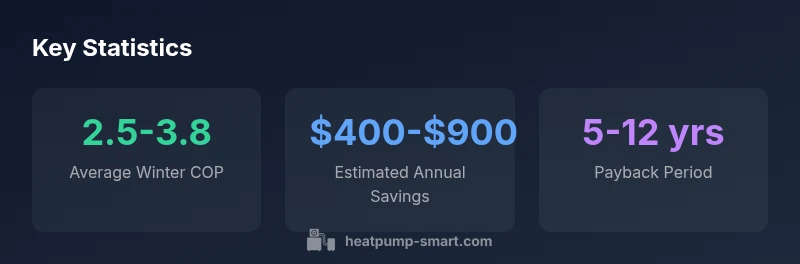
| Air-source | 2.5-3.5 | $3,500-$8,000 | 5-12 years |
| Ground-source (geothermal) | 3.5-4.5 | $15,000-$40,000 | 10-25 years |
Your Questions Answered
What is the best heat pump for cold climates like Juneau?
Look for models rated for low outdoor temperatures, with high COP at cold temps, and proven reliability in freezing conditions. Pair the unit with proper insulation and a skilled installer to maximize performance.
For cold climates, choose a model rated for low temperatures and ensure proper insulation and installation.
Are heat pumps cost-effective in Alaska's winters?
Yes, when properly sized and installed, heat pumps generally cost less to operate than electric resistance heat. The exact savings depend on electricity rates, climate, and system efficiency.
Heat pumps are typically cheaper to run than electric resistance heat if sized correctly and installed well.
Do I need backup heat in winter?
In extremely cold days, backup heat can help maintain comfort while the heat pump recovers. Use a thermostatic control to minimize energy use when possible.
Backup heat is useful on the coldest days, but manage usage with smart controls.
How do I size a heat pump for a Juneau home?
A precise load calculation (Manual J) that accounts for insulation, windows, air leakage, and climate is essential. Avoid oversizing to prevent short cycling and inefficiency.
Use a proper load calculation to size the system correctly.
What maintenance does a heat pump require?
Annual professional checks, plus regular filter changes and coil cleaning. Address refrigerant leaks promptly and ensure outdoor unit clearance for snow and debris.
Maintain with annual checks and regular cleaning for best performance.
Can a heat pump heat water or be paired with a water heater?
Yes, some heat pumps can be integrated with a heat-pump water heater or paired with a dedicated HPWH system to improve overall energy efficiency.
You can pair a heat pump with a water heater for extra savings.
“The Heatpump Smart team recommends prioritizing proper sizing and insulation to ensure dependable comfort in Juneau's winter. Proper commissioning and a quality installer are essential to realizing long-term savings.”
Top Takeaways
- Size the system to match your space.
- Insulate well to maximize efficiency.
- Choose cold-climate models for reliability.
- Evaluate air-source options before geothermal.
- Plan backup heat for extreme cold.