Heat Pump to Replace AC: A Practical Step-by-Step Guide
Learn how to replace your central AC with a heat pump, from sizing and model selection to installation and maintenance. Heatpump Smart provides expert guidance to boost year-round comfort and energy savings.


Replacing your central AC with a heat pump can deliver both cooling in summer and efficient heating year-round. According to Heatpump Smart, this upgrade can reduce operating costs over time but requires upfront investment and a professional assessment. You will need a home energy assessment, a correctly sized heat pump, and professional installation to ensure optimal performance.
What replacing AC with a heat pump means for your home
A heat pump to replace an aging central AC system represents more than a simple swap of equipment. It integrates heating and cooling into a single, efficient device that can provide comfortable indoor temperatures year-round. In essence, a properly selected heat pump moves heat rather than generating it, using electricity to transfer warmth from outside to inside in the winter and from inside to outside in the summer. This approach can improve overall comfort, reduce fossil-fuel dependence, and deliver meaningful energy savings over time. According to Heatpump Smart, the right model matches your home’s layout, climate, and insulation level, and it leverages the seasonal transition to optimize consumption. This section covers what that means for your home now and over the next decade.
Key considerations before you replace your AC
Before you commit to swapping AC for a heat pump, take a holistic look at your home and your goals. Climate plays a major role: in milder regions, heat pumps often shine for both heating and cooling; in very cold areas, you may rely on auxiliary heat during extreme cold snaps. Ductwork matters: if your current ducts are leaky or poorly sized, the system will underperform no matter how efficient the unit. Insulation and air sealing in the attic, walls, and crawlspaces influence the heat pump’s efficiency more than you might expect. Rebates and incentives can offset upfront costs, but eligibility varies by jurisdiction and utility. Heatpump Smart analysis shows that many households see a payback over 5–10 years when they address air leakage, upgrade a thermostat, and choose a high-efficiency model. Finally, think about noise and outdoor placement: you want a unit that is quiet enough for your yard or balcony and has accessible service clearances. This phase is where most projects justify a pro review to confirm feasibility and a realistic timeline.
How heat pumps operate for heating versus cooling
A heat pump uses a refrigerant cycle to extract heat from the outside air and move it indoors when heating, and reverse the process when cooling. In cooling mode, it behaves like a traditional air conditioner, transferring heat from inside the home to the outdoors. In heating mode, it pulls ambient warmth from the outside air—even at temperatures that seem chilly—and delivers it indoors via the indoor air handler or hydro-hot water loop. Modern heat pumps include advanced controls, variable-speed compressors, and fan motors that adjust output to match demand, which reduces energy use. Some models also include an emergency heat option for very cold days. Understanding these cycles helps you set realistic expectations for temperature stability, humidity control, and noise levels across seasons.
Sizing and when you need an upgrade
Sizing a heat pump correctly is critical for comfort and efficiency. A unit that’s too small will struggle in cold snaps and during peak cooling loads, while an oversized unit will cycle on and off too quickly, wasting energy and reducing humidity control. A precise calculation, often called a load calculation, accounts for your home’s size, insulation, window efficiency, occupancy, and local climate. In many cases, ductwork needs improvement to ensure balanced airflow and to prevent hot or cold spots. If your current duct system is leaky or poorly connected, you’ll need sealing and potential duct redesign to maximize the heat pump’s performance. As Heatpump Smart notes, a professional assessment with a Manual J load calculation and duct leakage test provides the most reliable sizing results and reduces the risk of future comfort problems.
Choosing the right heat pump for your home
Heat pumps come in several configurations, including air-source (the most common for residential installs), ducted, and ductless (mini-split) variants. The right choice depends on your home’s structure, existing ductwork, and your tolerance for interior space usage. For homes with existing ducts in good shape, a matched air-source package with a high SEER and HSPF rating delivers excellent efficiency. If ductwork is limited or you’re converting a non-ducted space, a ductless mini-split or a ducted system with zone controls may be more suitable. Pay attention to compressor type (single-speed vs variable-speed) and refrigerant charge requirements. A modern heat pump with heat-stage modulation can maintain steadier temperatures and reduce energy use, contributing to ongoing savings and better comfort year-round.
Installation steps overview
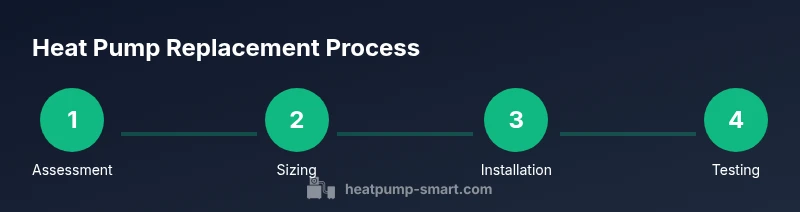
Installing a heat pump to replace AC involves coordinated work across electrical, refrigerant piping, ductwork, and thermostat integration. A typical project begins with a professional site assessment and sizing, followed by procurement and scheduling. The installer will protect the home environment, connect the outdoor condensing unit, route refrigerant lines, and integrate the indoor air handler. The thermostat is configured to control heat pump operation, and the system is charged and tested for leaks, airflow, and temperature consistency. Finally, the installer provides user instructions and safety reminders. Expect some disruption, especially if ducts need sealing or cleaning, but a well-planned schedule minimizes downtime. For visual guidance, see the accompanying diagrams that illustrate typical wiring and duct routes.
Cost ranges and potential savings
Costs vary widely based on climate, existing ductwork, home size, and local labor rates. A typical replacement project may fall within a broad range, with higher-end installations reflecting complex ductwork, long refrigerant runs, or multiple zones. Heatpump Smart analysis indicates that most households see meaningful energy savings over several years when a high-efficiency heat pump is paired with a smart thermostat and proper insulation. Rebates and incentives can further lower net cost, especially when the system replaces older equipment that used more energy. It’s important to view this investment as a long-term upgrade rather than a single-year price tag. Discuss financing options with your installer and compare total ownership costs over the system’s lifetime.
Safety, codes, and maintenance considerations
Replacing AC with a heat pump involves electrical work, refrigerant handling, and possibly permits. All work should comply with local codes and manufacturer requirements. Electrical upgrades may be necessary if your panel can’t handle the added load or if new outdoor units require dedicated circuits. Refrigerant handling must be performed by licensed technicians to avoid leaks and ensure safety. After installation, schedule routine maintenance: filter changes, coil cleaning, electrical connections check, and thermostat software updates. Regular maintenance helps preserve efficiency, extends equipment life, and reduces the risk of unexpected breakdowns. Heatpump Smart recommends a simple annual service appointment and a mid-season inspection before peak heating or cooling periods.
Troubleshooting common post-install issues
Even well-planned installations can face hiccups during the first heating season. Common issues include uneven room temperatures, insufficient heating on very cold days, or unexpected noise from the outdoor unit. Start with simple checks: ensure the outdoor unit isn’t obstructed by debris or plants, confirm the thermostat is set to heat pump mode, and verify air filters are clean. If performance seems inconsistent, inspect ductwork seals and check for airflow restrictions in the supply and return registers. Persistent problems deserve a technician’s second look to verify refrigerant charge and electrical connections. The goal is a steady, comfortable indoor climate with predictable energy use.
Final notes and Heatpump Smart's verdict
Replacing AC with a heat pump is a strategic move for many homes, particularly where climate and ducting align with high-efficiency equipment. The Heatpump Smart team emphasizes planning, professional sizing, and proper installation to achieve the promised comfort and savings. When done right, the system can deliver year-round performance with lower operating costs and fewer emissions than traditional fossil-fuel heating options. The key is to set realistic expectations, prioritize quality components, and choose an experienced installer who can tailor the solution to your home. With careful execution, this upgrade can be a transformative step toward a more comfortable and efficient home.
Tools & Materials
- Heat pump unit (air-source or others)(Choose model sized for your home; consider SEER/HSPF)
- Thermostat compatible with heat pump mode(Wi‑Fi or smart thermostat with HP mode)
- Electrical panel assessment tools (multimeter)(Ensure panel capacity and wiring suitability)
- Sealant, insulation, and duct sealing materials(Seal and insulate to maximize efficiency)
- Basic hand tools (screwdrivers, wrenches, drills)(For mounting and connections)
- Ladder and safety gear (gloves, goggles)(For attic access and outdoor work)
- Ductwork testing/inspection tools (optional)(Duct leakage tester or smoke pencil for air leaks)
- Thermal camera or infrared thermometer (optional)(Verify temperature distribution after install)
Steps
Estimated time: Estimated total time: 2-4 days
- 1
Schedule professional assessment
Arrange a home energy assessment and load calculation with a licensed installer. They’ll evaluate insulation, ductwork, windows, and current electrical service. This establishes whether a heat pump is suitable and identifies necessary upgrades.
Tip: Ask for a written load calculation (Manual J) and a duct leakage test to inform sizing. - 2
Select model and confirm sizing
Choose a heat pump with appropriate SEER/HSPF ratings and a capacity that matches the calculated load. The installer should present options for single- or multi-zone setups and explain the implications for comfort and efficiency.
Tip: Avoid oversizing; a correctly sized unit runs longer cycles for better humidity control. - 3
Obtain permits and hire a qualified installer
Secure any required local permits and hire a contractor with relevant licenses and refrigerant handling certification. Verify their warranty terms and scheduling expectations before work begins.
Tip: Check references and ask for proof of refrigerant-handling credentials. - 4
Prepare electrical and ductwork
The installer will assess electrical service, upgrade if needed, and seal or replace duct sections to minimize leakage. Attic access, outdoor clearances, and indoor air handler placement are planned for optimal airflow.
Tip: Clear the work area of obstacles; this reduces risk and speeds up installation. - 5
Install outdoor unit and connect refrigerant lines
Mount the outdoor condenser, route and insulate refrigerant lines, and connect to the indoor air handler. The refrigerant charge is adjusted during commissioning, not before initial setup.
Tip: refrigerant handling must be done by a licensed tech; improper charging can damage the system. - 6
Connect thermostat and controls
Install and configure the thermostat for heat pump operation, equipping it with scheduling, humidity control, and diagnostic alerts. Ensure compatibility with your smart home setup if applicable.
Tip: Run a test cycle to confirm both heating and cooling modes operate correctly. - 7
Commission and test performance
The technician tests airflow, refrigerant pressure, system response times, and defrost cycle. They verify energy use against expectations and explain maintenance tasks.
Tip: Keep a log of performance readings and any alarms for future service. - 8
Educate occupant and finalize maintenance plan
Learn how to operate the system efficiently, set up seasonal maintenance reminders, and schedule annual service. A maintenance schedule helps sustain efficiency and comfort for years.
Tip: Set calendar reminders for filter changes and pre-season service.
Your Questions Answered
Can a heat pump fully replace a central AC system?
Yes. A heat pump can provide both cooling and heating for most homes, though climate and ductwork affect performance. In very cold climates, some auxiliary heat may be used intermittently. A professional assessment confirms suitability for your home.
Yes, a heat pump can replace a central AC in most homes. A professional assessment will confirm suitability and any auxiliary heat needs.
Is a heat pump appropriate for cold climates?
Heat pumps have improved in cold-weather efficiency, but performance depends on refrigerant type and system design. In extremely cold areas, you may rely on supplemental heat on rare days. A specialist can recommend models optimized for cold climates.
Many heat pumps work well in milder winters, but for very cold areas, choose a model designed for low outdoor temperatures and consider backup heat.
Do I need new ductwork when replacing AC with a heat pump?
Not always, but many installations benefit from sealing or resizing ducts to improve efficiency and airflow. If ducts are older or leaky, upgrading them can significantly boost comfort and savings.
Duct work may need sealing or upgrading for best results, especially if it’s aging or leaky.
What rebates or incentives exist for heat pumps?
Rebates and incentives vary by region and utility. A qualified installer can help identify eligible programs and assist with the application process.
There are often regional rebates; a local installer can help you find and apply for them.
How long does installation typically take?
Installation duration depends on home size, ductwork condition, and system type. Most projects fit within a few days, with longer timelines if major electrical or duct upgrades are required.
Most installations take a few days, longer if significant electrical or ductwork changes are needed.
Will a heat pump reduce my energy bills?
Heat pumps can lower operating costs compared to conventional air conditioners and furnaces when correctly sized and installed, especially with an efficient thermostat and good insulation. Actual savings depend on climate, usage, and electricity rates.
Yes, with proper sizing and insulation, heat pumps often reduce energy bills, though savings vary by climate and usage.
Watch Video
Top Takeaways
- Identify your home’s readiness before replacement
- Choose a properly sized, high-efficiency heat pump
- Prepare for potential ductwork upgrades
- Work with a licensed installer for safety and warranties
- Schedule regular maintenance to sustain savings