How to Install a Heat Pump in the Attic
Learn how to install a heat pump in the attic with a step-by-step approach, safety tips, and expert guidance from Heatpump Smart. Ideal for homeowners and builders seeking durable, efficient attic installations.


This guide helps you install a heat pump in the attic with a clear safety checklist, proper clearances, and a plan for ventilation and electrical connections. You’ll learn how to assess attic space, choose the right unit, prepare mounting surfaces, route refrigerant lines, and complete commissioning. Follow local codes and consider professional inspection.
Assessing attic readiness for a heat pump
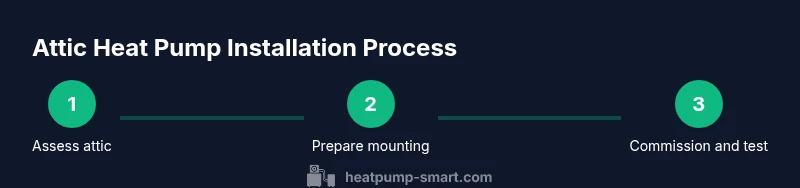
Before you install, evaluate whether the attic can safely house the indoor air handler, refrigerant lines, and condensate drainage. According to Heatpump Smart, attic installations require careful assessment of clearance, ventilation, and structural support. Start by checking ceiling joists, access for service, and the space above the unit for airflow. Confirm there is enough headroom for maintenance and for any service technician to move around during installation. Inspect existing insulation, vapor barriers, and moisture risk; poor sealing will reduce efficiency and could cause condensation issues. Plan for robust mounting: a rigid platform anchored to framing, with vibration isolation to minimize noise transfer to living spaces. Consider access points for future service and how you will route wiring from a nearby electrical panel. If the attic is particularly cramped or has high humidity, consider alternatives such as placing the unit on a dedicated platform on the roof or in a garage enclosure. This stage sets the foundation for safe, durable operation and reduces the need for callbacks.
Sizing and selecting the right heat pump for attic installation
Choosing the correct heat pump size is critical for attic installations. An undersized unit will struggle on peak days, while an oversized unit wastes energy and leads to uncomfortable humidity and cycling. Use a formal load calculation approach and consult the AHRI-certified performance data for the model you’re considering. In attic scenarios, pay special attention to long line sets and conduit routing, as heat losses through poorly insulated paths can degrade performance. Heatpump Smart notes that inverter-driven, variable-speed units can adapt to fluctuating attic temperatures, providing steady comfort and efficiency. Always compare SEER and HSPF ratings across models and verify compatibility with your existing ductwork or ductless zones. This planning stage helps align your attic installation with climate, insulation levels, and occupancy patterns.
Attic preparation and mounting considerations
The mounting surface must be flat, rigid, and level to prevent vibration and wear on connections. Build a dedicated platform with solid framing and non-skid pads to support the unit weight. Plan line-set routes to minimize sharp bends and avoid contact with joists. Use vibration isolation mounts to dampen noise transmission into living spaces. Ensure clearance around the unit for service access, condenser airflow, and future maintenance. If ductwork is involved, design routes that minimize pressure losses and balance airflow in the attic space. Weatherproofing around penetrations and flashing is essential to prevent leaks that could damage insulation and structure. This preparation reduces callbacks and extends equipment life.
Electrical and safety requirements
Installations in attics require careful electrical planning. Ensure a dedicated circuit with proper amperage, install a listed electrical disconnect within sight of the unit, and route conductors in approved conduit. Never work on live circuits; shut off power at the breaker panel before any wiring. Verify grounding and bonding per local codes, and obtain necessary permits and inspections. If you’re unsure about electrical work, hire a licensed electrician. A compliant electrical setup protects occupants and ensures reliable startup and operation of the heat pump.
Refrigerant lines, condensate drainage & insulation
Route line sets neatly along joists or within protected chases, avoiding contact with sharp edges. Insulate refrigerant lines to minimize heat gain or loss and prevent condensation forming on cold lines in the attic. Ensure a slight slope on condensate lines toward the drain or pump to prevent standing water. Install a condensate pan with overflow protection if required by code. Seal all penetrations to maintain thermal efficiency and prevent moisture intrusion that could degrade attic insulation and air quality.
Attic insulation, air sealing, and moisture control
Attic installs benefit from thorough air sealing around penetrations and around the line sets. Use spray foam or gasket materials to seal gaps around conduits, pipes, and electrical penetrations. Improve attic insulation levels where needed to reduce heat transfer and frost risk at the unit. Install a continuous vapor barrier on the warm side of the assembly to minimize moisture diffusion into cold attic spaces. A well-insulated and sealed attic improves energy efficiency and reduces cooling loads when the heat pump runs.
Noise, vibration, and comfort considerations
Use anti-vibration pads and proper mounting hardware to minimize noise transmission to living spaces. Route ducts away from quiet rooms and consider sound-absorbing duct treatments if needed. Position the air handler to favor short, straight duct runs and balanced airflow. Consider a muffler or acoustic blanket for particularly noise-sensitive installations. Thoughtful placement and isolation reduce occupant complaints and can extend equipment life.
Code compliance, permits, and professional inspection
Consult local codes for attic installations, including required permits, electrical safety standards, and refrigerant handling guidelines. AHRI certification and ENERGY STAR guidelines can help verify system performance. Schedule inspections at key milestones: initial rough-in, electrical, and final commissioning. A professional inspection confirms safety and efficiency while reducing the risk of code violations and insurance issues.
Commissioning and performance verification
After wiring and refrigerant connections, perform a controlled start. Check thermostat communication, refrigerant charge (as per the manufacturer’s specification), airflow balance, and temperature rise across the coil. Verify condensate drainage is working without leaks. Run the system through various operating modes and outdoor temperatures to confirm responsiveness and comfort. Document all readings and set up maintenance reminders to keep performance optimal.
Tools & Materials
- Heat pump air handler and condenser (attic-ready unit)(Choose a unit rated for attic installation and compatible with existing ductwork or zoning.)
- Mounting platform or rigid base(Solid, level base attached securely to structural framing.)
- Vibration isolation pads or mounts(Minimize vibrations and noise transfer to living spaces.)
- Copper refrigerant line set (insulated)(Include service ports and an appropriate diameter for your system.)
- Refrigerant line insulation material(Keep lines thermally insulated to maintain efficiency.)
- Electrical disconnect box and conduit(Install per code; ensure visibility and accessibility.)
- Dedicated electrical circuit or breaker(Match the unit’s amperage requirements; consult an electrician.)
- Thermostat compatible with heat pump(A smart thermostat provides better control and diagnostics.)
- Drip pan and condensate drainage components(Prevent water damage and ensure proper drainage.)
- Ductwork or ductless distribution components(Include dampers, filters, and sealing materials as needed.)
- Sealant, flashing, and weatherproofing supplies(Seal all penetrations to prevent leaks and drafts.)
- Personal protective equipment (PPE)(Gloves, safety glasses, and a hard hat for all steps.)
- Leak detection and charging tools (optional/for pros)(Only use if you’re trained; otherwise hire a professional.)
Steps
Estimated time: 6-10 hours
- 1
Plan and verify attic space
Assess access, headroom, and service routes. Confirm structural support and potential condensation risks. This planning prevents misfits and costly rework.
Tip: Label all route paths for lines, wires, and ducts to keep the install tidy. - 2
Size the system using load calculations
Perform a formal load calculation and compare against manufacturer performance data. For attic installs, ensure line-set length and insulation are accounted for.
Tip: Cross-check with a pro if your calculation falls near a sizing boundary. - 3
Prepare mounting area and base
Build a rigid, level mounting platform anchored to framing. Install vibration isolation mounts and protect the surface from moisture.
Tip: Use a level and mechanical fasteners rated for the roof or attic structure. - 4
Install electrical disconnect and wiring
Run conduit from the panel to the disconnect and secure wiring per code. Verify grounding, and ensure the power is off before work begins.
Tip: Have a licensed electrician review the final wiring before startup. - 5
Route refrigerant lines and condensate drain
Secure the line set along joists, insulate, and install a condensate drain or pump as required. Avoid sharp bends and protect lines from puncture.
Tip: Keep line-set routes away from high-heat areas and sharp edges. - 6
Install air handler and connect ductwork
Mount the air handler on the platform, connect any required ductwork, and seal joints to prevent leaks. Ensure equal-length duct runs where possible.
Tip: Inspect duct seals from both sides for tight, durable connections. - 7
Seal, insulate, and weatherproof penetrations
Seal all penetrations around wires, pipes, and ducts with appropriate sealants. Add weatherproofing to prevent moisture intrusion into the attic.
Tip: Inspect after sealing for any new gaps that may appear as temperatures shift. - 8
Commission, test, and verify performance
Power up the system, confirm thermostat communication, verify refrigerant charge, balance airflow, and test condensate drainage. Document readings and set maintenance reminders.
Tip: Run through a full load test in cooling and heating modes before finalizing.
Your Questions Answered
Is attic installation safe for a typical home?
Attic installations can be safe when properly planned and installed by qualified professionals. They require careful attention to electrical safety, ventilation, and drainage to prevent moisture and fire risks.
Yes, attic installations can be safe when planned and installed by qualified professionals, with attention to electrical safety, ventilation, and drainage.
Do I need permits or inspections for attic heat pump installation?
Most jurisdictions require permits for mechanical systems like heat pumps and refrigerant work. Inspections at key milestones ensure code compliance and safe operation.
Permits are usually required, and inspections help guarantee code compliance and safe operation.
Can a homeowner install a heat pump in the attic, or should I hire a professional?
Attic installations involve electrical work, refrigerant handling, and structural considerations. For most homeowners, hiring a licensed HVAC tech and electrician is recommended to ensure safety and compliance.
This is best left to licensed HVAC and electrical professionals to ensure safety and code compliance.
What maintenance is needed after installation?
Regular inspections, filter changes, thermostat calibration, and seasonal checks of refrigerant lines and drainage help maintain efficiency and prolong the system life.
Schedule regular maintenance, change filters, and check lines and drainage seasonally.
Will attic humidity affect heat pump performance?
Excess attic humidity can impact insulation performance and promote condensation. Proper sealing, drainage, and ventilation mitigate these effects and keep system efficiency high.
High attic humidity can affect performance, but proper sealing and ventilation help maintain efficiency.
What are common signs of improper attic installation?
Frequent leaks, unusual noises, refrigerant leaks, improper airflow, or uneven temperature distribution indicate installation issues that should be reviewed by a professional.
Watch for leaks, noises, or uneven cooling/heating; these require inspection by a pro.
Watch Video
Top Takeaways
- Plan attic space and clearances before work starts
- Choose correctly sized unit to avoid cycling
- Secure electrical and permits before starting
- Seal and insulate paths to maximize efficiency
- Commission and verify performance after startup