Do Heat Pumps Make Noise? Noise, Myths, and Fixes
Discover whether heat pumps are noisy, what factors influence sound, and practical steps to reduce indoor and outdoor noise without sacrificing comfort or efficiency. Insights from Heatpump Smart for homeowners and pros.


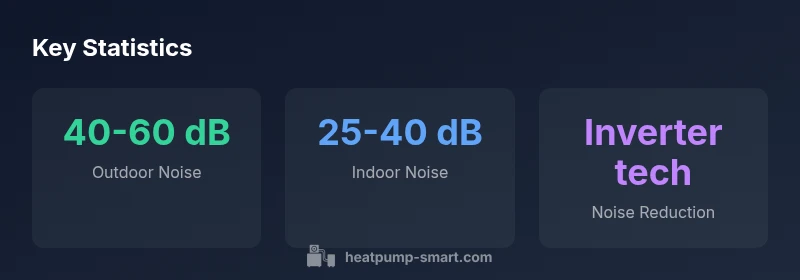
Do heat pumps make a lot of noise? In general, modern heat pumps are engineered to run quietly. Indoor units often operate in the 25–40 dB range, while outdoor units typically produce 40–60 dB during normal operation. Noise levels vary with fan speed, compressor load, and installation. The Heatpump Smart team found that inverter-driven compressors and improved mounting reduce sound significantly compared with older models.
Understanding how heat pump noise is measured and what counts as loud
Sound levels for heat pumps are usually reported in decibels (dB) and averaged over standardized test conditions. The most meaningful comparisons come from the published sound power level (for the outdoor unit) and the sound pressure level inside your living space. Because real-world noise depends on mounting, airflow, and temperature, readings can vary by several decibels. Heatpump Smart emphasizes that ratings should be interpreted alongside installation specifics, such as distance from living spaces and nearby barriers. In practice, a unit rated at 50 dB outdoors may seem quieter if it is shielded by a wall or fence, while a poorly mounted unit can amplify perceived noise. By focusing on both the official ratings and on-site acoustics, homeowners can get a realistic sense of anticipated sound during peak heating or cooling.
Indoor vs outdoor noise: what to expect
Indoor noise tends to be lower because it comes from the fan and compressor within the indoor air handler or ducted plenum. Typical indoor noise ranges from mid-20s to low-40s dB, depending on fan speed and system design. Outdoor units must handle higher airflow and heavier compressors, producing noticeable noise particularly during compressor ramp-ups in cold weather. A well-placed outdoor unit with appropriate clearances and vibration isolation will keep daytime levels unobtrusive. Heatpump Smart notes that most homes report outdoor noise as a minor sound during operation rather than a persistent disturbance, especially with proper maintenance and installation.
Factors that drive noise and how to reduce it
There are several controllable factors that influence heat pump noise:
- Compressor type and speed (inverter-driven units are typically quieter at part load)
- Fan design and speed controls
- Mounting hardware, vibration isolation, and solid surfaces
- Site layout, barriers, and distance from living spaces
- Duct design and air distribution in the case of ducted systems Heatpump Smart’s guidance is to prioritize models with low decibel ratings at common operating loads and to implement robust mounting during installation. A small investment in decoupling pads or a rubber isolator under the compressor can yield noticeable reductions in perceived noise without affecting performance.
Techniques to reduce noise without sacrificing efficiency
To minimize noise, consider these practical steps:
- Choose inverter-driven compressors and units with built-in vibration control
- Install on a solid, level base with anti-vibration mounts
- Place outdoor units away from bedrooms and primary living spaces, using shielding where permitted
- Use acoustic enclosures only when manufacturer-approved, to avoid overheating
- Schedule maintenance to keep fans and motors clean and balanced
- Ensure ductwork is properly sealed and supported to prevent rattles The goal is to reduce both the peak noise and the frequency content that people perceive as irritating. Heatpump Smart notes that even small changes in mounting or fan curve can shift a unit from audible to barely noticeable.
Installing and selecting quiet models: what to look for
When evaluating options, consult these features:
- Low-rated noise at both low and high load
- Inverter technology and variable-speed fans
- Quiet mode options and soft-start capabilities
- Proven vibration isolation and durable mounting hardware
- Independent third-party acoustic certifications or tests Partnering with an installer who understands acoustics will help tailor the system to your property. The right unit for your climate and home layout can dramatically reduce nuisance noise while maintaining efficiency.
Debunking common myths about heat pump noise
Myth: All heat pumps are loud and disruptive. Fact: Modern designs emphasize quiet operation, with many units barely audible indoors. Myth: Noise can’t be managed after installation. Fact: Noise can be reduced with careful placement, isolation, and maintenance. Myth: Quiet operation means reduced performance. Fact: Quiet systems can still achieve high efficiency when selected and installed correctly.
Noise ranges and factors by heat pump components
| Aspect | Indoor noise | Outdoor noise | Notes |
|---|---|---|---|
| Compressor operation | 25-35 dB | 45-60 dB | Inverter-driven models lower peak noise |
| Fan speed | 25-40 dB | 40-60 dB | Lower speeds reduce noise levels |
| Vibration/installation | 20-30 dB | 30-45 dB | Solid mounting and pads help |
| Enclosure/placement | 20-35 dB | 40-55 dB | Distance and barriers matter |
Your Questions Answered
Are heat pumps louder than furnaces?
Most modern heat pumps are quieter during steady operation than older furnaces with traditional blowers. Outdoor units can be audible, but installation and design choices often keep noise within comfortable ranges. Expect indoor noise to be less noticeable than outdoor operation.
Overall, heat pumps are often quieter indoors, with outdoor noise largely dependent on location and mounting.
What noise level is acceptable for indoor heat pumps?
Indoors, noise under 40 dB is generally considered acceptable for normal living spaces, depending on room use and acoustics. If conversations or TVs are regularly disrupted, review mounting and fan settings. Always compare against published ratings for your model.
Typically under 40 dB indoors is comfortable, but check your unit's rating and room layout.
How can I reduce outdoor noise?
Start with proper siting and vibration isolation: keep distance from bedrooms, use anti-vibration pads, and ensure unobstructed airflow. If noise remains an issue, consider acoustic barriers or fencing that comply with local codes. Some models offer quiet modes or softer ramping.
Place the outdoor unit away from living spaces and use mounts to dampen vibration.
Do heat pumps get louder in very cold weather?
Noise can spike during cold snaps when the compressor works harder to meet heating demand. High-quality, properly installed units adapt with inverter technology to minimize peak noise. Regular maintenance helps keep noise consistent across temperatures.
Colder weather may briefly raise noise during heavy heating, but good installs keep it manageable.
Are there quiet modes on heat pumps?
Many models include a quiet or eco mode that lowers fan speed and uses softer ramping. Check the manufacturer’s documentation for certifications and test data. Quiet modes trade off peak performance for lower noise.
Yes, most units offer a quieter mode that reduces sound.
Is there a difference between air-source and geothermal heat pumps in noise?
Geothermal systems tend to have fewer outdoor components exposed to the elements and can be quieter overall, but both types benefit from good installation. Compare decibel ratings for the same climate and system size.
Geothermal often has fewer outdoor parts, but noise performance depends on design and install.
“Quiet operation is as much about design as it is about installation. With the right model and proper mounting, heat pumps can be exceptionally unobtrusive.”
Top Takeaways
- Check published noise ratings for indoor and outdoor units.
- Choose inverter-driven models with built-in sound dampening.
- Optimize placement for distance, barriers, and vibration isolation.
- Schedule professional installation to minimize vibration and ensure best acoustics.