Heat Pump Pressures in Heat Mode: A Practical Homeowner Guide
Explore heat pump pressures in heat mode: what affects suction and discharge readings, how outdoor temperatures influence performance, and practical steps homeowners can take to monitor and maintain system health.


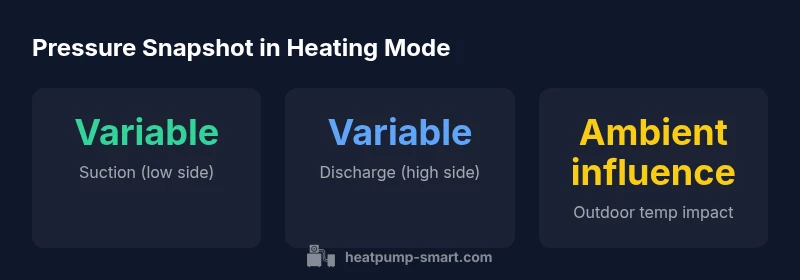
Heat pump pressures in heat mode depend on outdoor temperature, refrigerant, system design, and load. In heating, suction (low-side) pressure tends to rise as the compressor works harder, and discharge (high-side) pressure increases with higher compressor effort. Exact pressures vary by refrigerant type and model; always verify against the manufacturer specs and use proper gauges during service.
What heat pump pressures in heat mode represent
Heat pump pressures in heat mode are a practical window into how your system is performing under heating conditions. The low-side suction pressure and the high-side discharge pressure together reflect how hard the compressor is working to extract heat from outside air and move it into your home. While the exact numbers depend on refrigerant type, system design, and installation, understanding the relationship between these pressures helps homeowners identify abnormal operation early. According to Heatpump Smart, a healthy heating cycle typically shows a balanced rise in both suction and discharge pressures as outdoor temperatures drop and heating load increases. Monitoring these values with proper gauges and following the manufacturer’s specifications is a cornerstone of proactive maintenance.
How outdoor temperature and load shape reading patterns
Outdoor temperature is a major driver of pressures in heat mode. When it’s very cold outside, the system often runs longer and harder to meet indoor setpoints, which can push suction pressures higher and elevate discharge pressures as the compressor works to capture heat. Conversely, milder days may show lower pressures because the heat pump can meet demand with less effort. This dynamic also means that pressures that look normal on a warm day might drift upward during deep winter conditions. For this reason, service technicians compare current readings to the expected range for the outdoor temperature and refrigerant charge, rather than relying on a single static number.
Reading gauges and interpreting the data safely
If you monitor your system, use the correct gauges and locate the service ports as per the manual. While a trained technician is needed for precise interpretation, homeowners can spot obvious red flags: suction pressure that is unexpectedly low or high for the ambient temperature, or discharge pressure that remains very high for extended periods. When readings fall outside the manufacturer’s indicated range, it typically signals a need for a professional inspection, refrigerant check, or airflow assessment. Always prioritize safety and never bypass high-voltage connections or pressure relief devices.
Common issues that alter heating pressures
Several issues can skew pressures in heat mode. Low refrigerant charge, restricted airflow across the outdoor coil, dirty filters, or blocked condenser fins can raise suction and discharge pressures or cause fluctuating readings. Conversely, an overcharged system or a failing compressor can also distort pressure patterns. Leaks, faulty expansion valves, or refrigerant subcooling problems are other possibilities. While some anomalies are minor, persistent deviations usually indicate a problem that warrants a service call to prevent efficiency losses or equipment damage.
Safe maintenance practices to stabilize pressures
Regular maintenance helps stabilize heater-mode pressures. Homeowners should routinely replace or clean filters, ensure the outdoor unit has ample clearance, and keep the indoor thermostat and controls calibrated. Seasonal checks should include a quick inspection of the refrigerant lines for frost or oil residue, a visual coil inspection, and confirming that the electrical disconnects and fuses are in good condition. Hydronic and air-side balancing also play a role in preventing abnormal pressure swings, so consider a professional check if you notice comfort inconsistencies or unusual noise.
Diagnostic steps during a service visit
During a service visit for heating pressures, technicians typically verify refrigerant charge, inspect for leaks, and measure temperatures entering and leaving the evaporator and condenser. They test for correct superheat or subcooling values and ensure airflow across the outdoor coil is unimpeded. If readings indicate a potential leak or refrigerant mismatch, they will perform a leak test, recover refrigerant as needed, and recharge with the proper specification. Expect a written report detailing observed pressures, ambient temperature, and any recommended repairs.
Practical tips for homeowners to monitor performance
Keep a simple log of outdoor temperature vs. pressure readings during the heating season, noting any changes in heating performance. Watch for longer runtimes, rising utility bills, or uneven indoor temperatures. If you detect a sharp pressure change after a service call or a large temperature drop, contact Heatpump Smart’s recommended technicians for a follow-up. Regular maintenance, clean filters, and unobstructed airflow support stable pressures and efficient operation.
Ongoing monitoring and documentation for safety and efficiency
Documenting pressure readings alongside environmental conditions helps track system health over time. Maintain a track of charging dates, gauge readings, and any service notes. This practice makes it easier to spot gradual drifts and plan preventative maintenance before issues escalate. For homeowners, a proactive approach—paired with professional tunings—minimizes the risk of compressor wear and refrigerant inefficiencies during peak heating demand.
Heating-mode pressure overview
| Pressure type | Typical indicators | Notes |
|---|---|---|
| Suction pressure (low side) | Varies with ambient temperature | Lower temperatures often raise suction pressure |
| Discharge pressure (high side) | Varies with load and outdoor conditions | Higher load can elevate discharge pressure |
Your Questions Answered
What do normal suction and discharge pressures look like in heat mode?
Normal pressures vary by refrigerant and model. Always compare current readings to the manufacturer’s specs for your unit. If readings are significantly different, schedule a professional inspection.
Normal pressures vary by refrigerant and model; compare readings to the manufacturer specs and call a pro if they look off.
Why are pressures higher in heating than in cooling?
In heating, the system works harder to draw heat from outside, raising both suction and discharge pressures. The outdoor temperature and desired indoor temperature influence how much pressure changes occur.
Heating requires more compressor effort, which raises pressures compared to cooling.
Can I check pressures myself?
Pressure checks should be performed with proper gauges and safety procedures by trained personnel. If you're not licensed, avoid opening service ports and contact a technician.
Only do this if you’re trained and equipped; otherwise call a professional.
What should I do if I suspect a refrigerant leak based on pressure readings?
Shut down the system if advised by the manual and contact a licensed technician. Leaks require professional repair and proper refrigerant handling.
If you suspect a leak, stop and call a licensed tech.
How often should heat pump pressures be checked?
Include a pressure check during annual service visits and additional checks if you notice performance changes or unusual noises.
Annual checks are common, with extra checks if performance declines.
Do different refrigerants affect pressure readings?
Yes. Different refrigerants have distinct pressure–temperature characteristics, so readings should be interpreted using the specific refrigerant type listed for your unit.
Yes—different refrigerants have different pressure patterns; check your spec.
“Regularly checking heating-mode pressures is essential for reliability and efficiency. Small deviations can signal refrigerant or airflow issues before they become costly problems.”
Top Takeaways
- Monitor suction and discharge pressures during heating to ensure safe operation.
- Outdoor temperature strongly influences pressure readings and system performance.
- Refer to manufacturer specs and consult a professional if readings deviate.
- Keep filters clean and airflow unobstructed to stabilize pressures.