How to Fix a Heat Pump Tumble Dryer
Learn how to diagnose and repair common heat pump tumble dryer faults with a safe, practical, and thorough approach. This guide covers signs of failure, DIY checks, a structured repair workflow, maintenance tips, and when to call a pro.


To fix a heat pump tumble dryer, you’ll diagnose common symptoms first (not heating, long drying times, or error codes) and perform safe, guided checks on airflow, electrical connections, and sensors. Start by unplugging, then inspect the lint path, door interlock, and condensate system before trying simple resets or test cycles.
Understanding heat pump tumble dryers and why they fail
Heat pump tumble dryers use a closed-loop refrigerant system to dry clothes at lower temperatures, recycling heat through a condenser and compressor. This design saves energy but adds complexity, so failures are often tied to airflow restrictions, dirty condensers, faulty sensors, or electrical connections. Heatpump Smart notes that proactive maintenance—like regular lint removal, condensate cleaning, and filter checks—significantly reduces the risk of common faults and keeps performance close to peak efficiency.
Common failure signs and their meanings
Watch for a drying cycle that seems endless, clothes coming out damp, or no heat at all. You may notice longer drying times, excessive condensation, or unusual noises. Error codes on the control panel are clues pointing to sensor faults, a blocked vent, or a failed compressor circuit. Interpreting these signs quickly helps you decide between DIY fixes and professional service. Heatpump Smart analysis shows that many issues stem from airflow problems or dirty components, not just a single failed part.
Safety first: essential precautions before you start
Before any inspection, unplug the unit and switch off the circuit breaker to prevent electric shock. If you must move the dryer, ensure the area is dry and clear of trip hazards. Wear insulated gloves when handling exposed metal, and avoid touching live components. Never bypass safety interlocks or spray liquids inside the cabinet. These precautions protect you and prevent further damage to the appliance.
Diagnostic approach: listen, smell, and inspect
Begin with a visual sweep: check lint filters, ducts, condensate tray, and the condenser for debris. Listen for motor or fan noise that seems abnormal and note any unusual smells like burnt plastic. Use a flashlight to inspect door seals and wiring harnesses for signs of wear. This non-destructive check helps you isolate airflow, filtration, and electrical issues without disassembly.
Step-by-step repair workflow (overview)
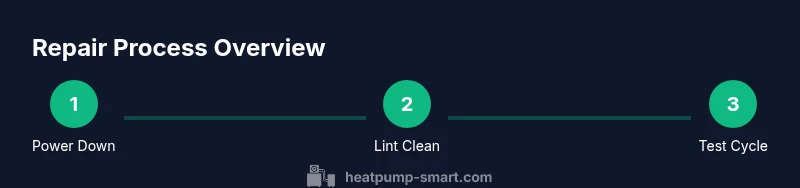
This section provides a structured repair workflow you can follow safely. You’ll verify power, clean lint paths, inspect coils and seals, check wiring, and test control responses. Each task reduces common failure modes and improves performance. If you encounter a fault that requires tools or refrigerant handling, follow the next block for a detailed step-by-step sequence and always refer to the manufacturer manual for model-specific guidance.
Maintenance tips to prevent future issues
Regular maintenance is the best defense against breakdowns. Clean lint filters after every cycle and inspect ducts for blockages quarterly. Wipe condenser surfaces, check door seals for wear, and keep the unit in a well-ventilated area. Scheduling a biannual professional service can catch developing problems early and protect energy efficiency.
When to replace vs repair
Assess the cost of the repair relative to the appliance's age and replacement cost. If parts or labor would approach the price of a new unit, or if the dryer no longer meets energy efficiency targets, replacement may be the wiser choice. Consider available warranties and potential rebates for newer heat pump models.
Space, installation considerations, and practical setup
Place the dryer on a flat, stable surface with adequate clearance for airflow. Ensure the exhaust path remains clear and that the unit isn't placed in a humid or dusty environment. If your model requires a dedicated outlet or specific ventilation, verify compatibility before purchasing a replacement unit.
Tools & Materials
- Digital multimeter(Check electrical continuity, resistance, and sensor signals)
- Screwdriver set (PH2, flat-head)(For access panels and fasteners)
- Vacuum with crevice tool(Remove lint from ducts, condenser, and interior vents)
- Microfiber cloths(Wipe surfaces and condensate area without leaving fibers)
- Insulated gloves(Protect hands during inspection of metal components)
- Bucket or tray(Catch condensate or small amounts of water during service)
Steps
Estimated time: 75-120 minutes
- 1
Power down and secure
Unplug the dryer and switch off the circuit breaker to prevent shock. If applicable, isolate the unit from the power supply and wait a moment before proceeding.
Tip: Verify the unit is completely de-energized using the multimeter if you have one. - 2
Access the lint path
Remove the rear or service panel to reach the lint filter housing and ductwork. Keep screws in a labeled container to avoid misplacement.
Tip: Take a photo before removing parts to aid reassembly. - 3
Clean lint and ducts
Vacuum lint from the filter housing, hoses, and condenser area. Wipe surfaces with a dry microfiber cloth and ensure all paths are clear.
Tip: Never reuse clogged filters; replace if damaged. - 4
Inspect condenser and coils
Look for dust buildup or ice on coils. Clean gently with a soft brush; ensure coils are dry before testing.
Tip: Ice indicates restricted airflow or faulty defrost controls; address airflow first. - 5
Check seals and airflow
Inspect door seals and duct seals for leaks. Ensure the path from drum to exhaust is clear and unobstructed.
Tip: Blocked ducts reduce efficiency and can trigger temperature faults. - 6
Inspect wiring and fuses
Check visible wiring for loose connections. Reseat connectors and inspect fuses or inline fuses if accessible.
Tip: Power down before touching wiring; avoid bending wires too sharply. - 7
Test door interlock and controls
Manually test the door interlock and run a short cycle to observe operation. Note any control responses or error codes.
Tip: If the unit stops mid-cycle, document the error codes for reference. - 8
Run a full test cycle
Reassemble the access panel and perform a full dry cycle with a small load to verify restored operation.
Tip: Monitor temperatures and listen for any abnormal noises during the cycle. - 9
When in doubt, consult the manual
If fault codes persist or you’re unsure, refer to the manufacturer manual or contact a professional technician.
Tip: Document error codes to speed up professional diagnosis.
Your Questions Answered
What is a heat pump tumble dryer and how does it differ from traditional dryers?
A heat pump tumble dryer uses a closed-loop refrigerant system to dry clothes at lower temperatures, saving energy. It requires proper airflow and clean components to function well.
A heat pump dryer uses a closed-loop heat system to dry clothes at lower temps, saving energy. It needs good airflow and clean parts to work properly.
Can I fix a heat pump dryer myself, or should I hire a technician?
Basic safety checks and cleaning can be DIY, but more complex issues like refrigerant or compressor faults require a professional.
Basic safety checks and cleaning people can do at home, but heavy faults require a pro.
What safety precautions should I follow before service?
Always unplug, switch off the circuit, and ensure the area is dry. Wear protective gloves and avoid working near water.
Unplug the unit, switch off power, and keep the area dry. Wear gloves for protection.
How do I know if the issue is worth repairing?
If the cost of parts and labor approaches or exceeds a new unit’s price, replacement may be more sensible. Consider energy savings and reliability.
If repair costs near replacement price, it may be better to replace. Also consider efficiency gains.
What maintenance helps prevent breakdowns?
Regular lint cleaning, filter checks, and condenser cleaning reduce wear and improve efficiency.
Clean lint and maintain filters regularly to prevent problems and boost efficiency.
Are there common heat pump dryer error codes and what do they mean?
Error codes guide troubleshooting. Check the user manual for code explanations and recommended actions.
Error codes point to specific issues; consult the manual for details.
Watch Video
Top Takeaways
- Inspect airflow and clean filters regularly
- Unplug and switch off power before any service
- Check and reseat critical electrical connectors
- Perform a full test cycle to confirm repair