How to Put Heat Pump on Emergency Heat: A Step-by-Step Guide
Learn how to safely switch your heat pump to emergency heat, when to use it, and how to revert to normal operation. This practical guide from Heatpump Smart covers setup, costs, and safety tips.


According to Heatpump Smart, emergency heat is a backup mode that uses electric resistance heat to maintain comfort when the heat pump can't meet demand. This quick guide shows you how to safely enable emergency heat on most thermostats, what to expect for energy use, and how to switch back when normal conditions return. Use it only during cold snaps or equipment issues.
How to put heat pump on emergency heat: Overview
Emergency heat is a built-in backup mode that activates electric resistance heating to bolster indoor warmth when the outdoor unit struggles in very cold weather or when a system fault occurs. This mode is intended for short-term use to protect comfort while you address underlying issues. In practice, emergency heat bypasses some of the heat-pump efficiencies and draws more electricity, so it should be used judiciously. Heatpump Smart emphasizes that knowing when and how to engage this mode can prevent cold rooms and rapid energy bill increases during peak winter conditions.
Emergency heat vs auxiliary heat vs backup systems
Most modern heat pumps with a thermostat offer several heating options: heat pump operation (compressor and outdoor coil), auxiliary or emergency heat, and sometimes a backup furnace. Emergency heat is typically the final resort and is powered by electric resistance elements, which are less efficient than the heat pump. Auxiliary heat is a supplementary stage that can kick in before full emergency heat, but the labels vary by brand. The key differences are energy efficiency, warming speed, and intended duration of use. When the outdoor temperature is extremely low, emergency heat can maintain comfort, but at a higher energy cost.
Energy implications and cost considerations
Using emergency heat generally increases electricity consumption because electric resistance heating is less efficient than the heat pump’s refrigerant cycle. If you must rely on this mode for an extended period, expect higher operating costs and more wear on electrical components. The Heatpump Smart analysis highlights that the mode is most economical when used briefly to bridge a cold snap or to compensate for a temporary malfunction. If possible, address the underlying issue and revert to normal heat as soon as practical.
How to enable emergency heat safely (general guidance)
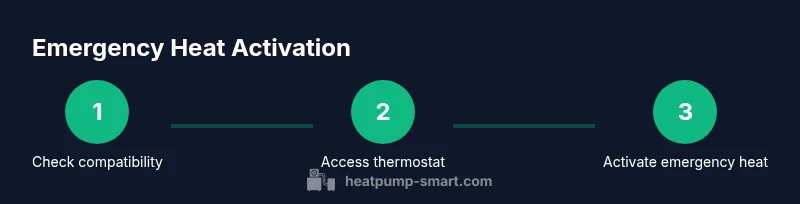
Before enabling emergency heat, verify that your thermostat supports the feature and that you understand how your model labels the emergency heat option (often labeled “Emergency Heat” or “Aux”). Access the thermostat interface through a wall control or app, then select the emergency heat option and confirm activation. If you’re unsure which setting applies to your system, consult the manual or contact the manufacturer. Do not bypass safety switches or modify wiring without professional guidance.
Common thermostat interfaces: labels you’ll see
Thermostats vary across brands, but there are common patterns to watch for: Emergency Heat, Aux Heat, Back-Up Heat, and a separate Heat mode. Some systems require switching the thermostat to a dedicated mode (e.g., “Emergency”) or activating an auxiliary stage first. Look for status indicators on the display (e.g., HP, AUX, or a heat symbol) and verify that the indoor heat feels warm rather than merely room-temperature. If you see error codes, refer to the manual.
Aftercare: monitoring and reverting to normal operation
Once outdoor temperatures moderate or the underlying issue is resolved, revert to regular heat pump operation as soon as practical. Monitor the indoor temperature and energy usage for the next cycle or two to ensure the system is fully back in heat-pump mode. If the thermostat remains stuck in emergency heat or the home remains uncomfortable, power-cycle the thermostat or contact a technician. Regular maintenance reduces reliance on emergency heat in future winters.
When to contact a professional
If emergency heat is required frequently, or if the system won’t exit emergency heat after switching back, schedule a professional inspection. Persistent reliance on emergency heat can indicate refrigerant issues, sensor faults, or electrical problems. A trained HVAC technician can diagnose faults, check refrigerant pressures, test sensors, and confirm thermostat compatibility. Prompt attention helps protect home comfort and efficiency.
Tools & Materials
- Thermostat with emergency heat/Aux heat option(Ensure your thermostat supports emergency heat and shows a clear emergency/aux label.)
- Heat pump owner’s manual(Helpful for model-specific interface and safety warnings.)
- Thermostat cover screwdriver(Needed if the thermostat housing is screwed shut.)
- Stable ladder or stepping stool(Use only if the thermostat is mounted high and reachable safely.)
- Notepad and pen(Record readings, setpoints, and any codes for reference.)
Steps
Estimated time: 5-15 minutes
- 1
Verify thermostat compatibility
Check the thermostat manual to confirm it supports Emergency Heat or Aux Heat. If the option isn’t present, you cannot enable emergency heat on that device and should consult a professional or upgrade the control system.
Tip: If you’re unsure, contact the manufacturer or a licensed HVAC technician before proceeding. - 2
Access the thermostat controls
Open the thermostat interface on the wall or through the mobile app. Navigate to the heating section and locate emergency heat, aux heat, or a secondary heat option.
Tip: On touch screens, gently press the heating tile to reveal additional options; some models hide advanced modes behind a submenu. - 3
Activate Emergency Heat
Select the Emergency Heat or Emergency/Aux option and confirm. The display should indicate that emergency heat is active (look for a dedicated label or icon).
Tip: If two-step confirmation is required, complete both prompts to avoid leaving the system in the wrong mode. - 4
Verify system response
Listen for the heat sequence and feel air from registers. Expect a warmer but potentially louder cycle as electric resistance heat engages.
Tip: If the air remains cool after a few minutes, check for thermostat wiring issues or system faults. - 5
Monitor indoor temperature
Watch indoor temperatures and ensure comfort improves. Emergency heat is slower to recover warmth than the heat-pump cycle alone.
Tip: Avoid setting the thermostat too high; overshooting can waste energy and cause discomfort when switching back. - 6
Return to normal operation
When outdoor temps rise or the issue is resolved, switch the thermostat back to Heat, Auto, or the standard operating mode recommended for your system.
Tip: Do this promptly to reduce energy costs and wear on electric resistance elements. - 7
Test after reverting
Run a quick heating cycle to confirm the heat pump resumes normal operation without sticking in emergency mode.
Tip: If you notice continued issues, document symptoms and contact a technician for inspection. - 8
Know when to call a professional
If you cannot exit emergency heat, if error codes appear, or if comfort remains poor, seek professional analysis.
Tip: Keep a log of symptoms and any codes shown by the thermostat to aid diagnosis.
Your Questions Answered
What is emergency heat, and when should I use it?
Emergency heat is a backup mode that uses electric resistance heating when the heat pump can’t meet the set temperature. Use it during extreme cold or if the heat pump isn’t producing enough warmth, but return to normal operation as soon as possible.
Emergency heat uses electric resistance heating as a backup. Use it only during very cold periods or when the heat pump isn’t keeping up, then switch back as soon as you can.
Will emergency heat save energy?
Usually not. Emergency heat is less efficient than the heat-pump process and tends to consume more electricity. It’s best used briefly to regain comfort while you address the underlying issue.
No, emergency heat generally uses more energy because it relies on electric resistance heating.
Is it safe to run emergency heat long-term?
It is safe to run emergency heat for short periods, but it’s not designed for long-term use. Prolonged use can increase costs and wear on electrical components. Seek professional guidance for prolonged needs.
It’s safe in the short term, but not ideal for long-term operation.
How do I switch emergency heat back to normal?
Return the thermostat to Heat or Auto mode once conditions improve. Allow the system to complete at least one heating cycle to confirm normal operation.
Switch back to normal heat mode and let it cycle once to confirm proper operation.
What if my thermostat doesn’t show an Emergency Heat option?
Some older or basic thermostats don’t expose an emergency heat control. In that case, you may need a thermostat upgrade or professional assistance to manage the system effectively.
If you don’t see an Emergency Heat option, you may need a thermostat upgrade or professional help.
When should I contact a professional?
Call a professional if emergency heat is needed frequently, if the system won’t revert to normal, or you notice odd noises, cycling, or error codes. Early diagnostics save money and prevent further damage.
Call a professional if emergency heat is needed often or if there are abnormal codes or noises.
Can emergency heat be used with all heat-pump brands?
Most modern heat pumps support emergency heat via compatible thermostats, but interfaces differ. Always check your model’s manual and confirm compatibility before attempting a manual switch.
Most systems support it, but always verify compatibility in your manual.
What maintenance helps reduce reliance on emergency heat?
Regular heat-pump maintenance—especially refrigerant checks, airflow, and thermostat calibration—helps keep the system efficient and less prone to needing emergency heat.
Regular maintenance keeps your system efficient and reduces the need for emergency heat.
Watch Video
Top Takeaways
- Use emergency heat only as a temporary measure
- Switch back to normal heat as soon as possible
- Emergency heat increases energy use and costs
- Verify thermostat compatibility before enabling