Where is the heat pump reversing valve? Locate and understand its role
Discover where the reversing valve sits on a heat pump, how it works in heating and cooling, and step-by-step troubleshooting for homeowners and professionals.


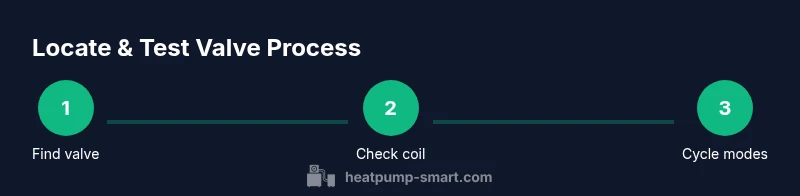
By the end, you’ll know where the heat pump reversing valve is located and how to identify its function during heating and cooling. If you’re asking where is the heat pump reversing valve, start by inspecting the outdoor unit’s refrigerant lines and the valve body connected to the compressor. This quick check sets up safe, informed troubleshooting.
What is a reversing valve and why it matters
The reversing valve is a critical component that decides the direction of refrigerant flow in a heat pump. In heating mode, it directs hot refrigerant gas from the outdoor unit to the indoor coil, while in cooling mode it redirects refrigerant back to the outdoor coil. This one valve enables year‑round comfort by enabling both heating and cooling without a separate furnace or air conditioner. The location and type of valve can vary by model, but most residential units place the valve near the outdoor condenser where refrigerant lines exit the cabinet. Understanding where is the heat pump reversing valve helps homeowners diagnose performance issues and plan maintenance. According to Heatpump Smart, having a mental map of the valve and its electrical connections makes troubleshooting safer and more efficient. A typical reversing valve is a compact, three‑ or four‑port device with a solenoid coil that shifts the internal port arrangement when energized. The control signal comes from the outdoor unit’s control board or a compatible thermostat. When the thermostat calls for heating or cooling, the system energizes or de‑energizes the coil to swap the valve’s position. This is the heart of the heat pump’s flexibility; ignoring it can mask root causes of poor performance.
Where to locate the reversing valve on a typical heat pump
Locating the reversing valve starts with the outdoor unit, where the major refrigerant lines from the indoor coil enter the cabinet. The valve body is usually attached to the line between the outdoor compressor and the copper piping that runs to the indoor coil. On many systems, the valve sits near the center of the outdoor cabinet, sometimes with a small label or label sticker that reads “reversing valve” or “RV.” For packaged units, you may find the valve inside the air handler or within the rooftop unit, so consult the service diagram for your model. Once you spot the valve, you’ll often see a small electrical connector from the control board that powers the valve coil. In some designs, the valve is integrated into the outdoor equipment and lacks a separate visible coil; in others, the coil is clearly a small electrically driven device. Keeping a clear photo log of the valve, coil, and nearby wiring helps with later troubleshooting. If you can’t locate the valve, check the model’s wiring schematic and schematic label inside the access panel.
Valve types and how they differ
Most residential heat pumps use a three‑port or four‑port reversing valve. The exact port arrangement determines how the valve redirects refrigerant during mode changes. A three‑port valve typically has an inlet, an outlet, and an exhaust, switching connections when energized. A four‑port valve adds an additional port for more precise control, often seen in larger or more advanced systems. The coil energization direction matters; some brands energize on cooling, others on heating. Reading the label on the valve or the service diagram helps identify which type you have. Internally, both valve types operate similarly, but the difference affects replacement parts and troubleshooting steps. Faults can include a binding mechanism, an electrical coil that won’t energize, or a misalignment that creates partial flow or leaks. Understanding valve type helps you source the correct service parts and avoid unnecessary disassembly. For homeowners, the key point is: identify the valve type and verify its coil wiring against the manufacturer’s wiring diagram.
How the reversing valve operates in heating vs cooling
With the thermostat calling for heating, the reversing valve shifts so that refrigerant flows from the outdoor compressor into the indoor coil (evaporator) in a path that concentrates heat into the home. In cooling mode, the valve changes direction so that refrigerant rejects heat outside via the outdoor coil while indoors is cooled. The valve’s state is controlled by a small solenoid coil powered by the outdoor unit’s control board, often energized by a 24‑volt signal from the thermostat. When the system changes modes, you can hear a faint click as the valve shifts. If the valve sticks or fails to move, you’ll notice heating or cooling deficits, or strange temperatures, because the refrigerant path remains fixed. Avoid attempting to force the valve to move manually; instead, run the system through a couple of mode changes and observe the valve’s behavior via wiring diagrams or a service panel. By understanding this operation, you’ll quickly diagnose whether a symptom is valve‑related or caused by other components like a thermostat or compressor.
Signs of a failing reversing valve
This section lists the most common signs that the reversing valve is failing or stuck. Reduced heating in cold weather, poor cooling performance in hot weather, or a lack of change when you switch modes are red flags. You may hear a clicking sound that misleads you into thinking the valve is cycling correctly, but the position may still be stuck. Frost or icing on the outdoor coil can indicate valve issues, especially when temperatures vary between heating and cooling cycles. In some cases, a miswired valve or a faulty control signal prevents the valve from energizing, resulting in a performance deficit that resembles a thermostat problem. If you notice inconsistent temperatures from room to room, or if the system runs longer than expected to maintain comfort, consider inspecting the valve as a potential cause. Remember that a valve problem often coexists with other issues like refrigerant leaks, blocked coils, or dirty filters, so a comprehensive check is recommended.
Common mistakes when inspecting or testing the valve
Do not jump into removing panels or touching electrical components without powering off the system. Opening refrigerant lines or attempting to recharge without proper tools is dangerous and illegal in many jurisdictions. Misinterpreting a valve’s position from a single observation can lead to incorrect conclusions; many symptoms mimic a valve issue but stem from a thermostat, sensor, or compressor problem. Inconsistent or unclear wiring can disguise the actual fault; always compare the wiring against the service diagram for your model. Another common error is ignoring safety: working on outdoor units in wet conditions or in extreme heat or cold can cause injuries or equipment damage. Finally, avoid using generic test methods that apply to other valve types; heat‑pump valves are specific to models and brands, so consult the manual for exact procedures.
Safe inspection checklist for the reversing valve
Before you begin any inspection, turn off power at the breaker to avoid electric shock. Remove access panels carefully to expose the outdoor unit’s wiring and valve. Look for the valve coil and its connector; confirm the connector is seated and the wire insulation is intact. If your unit has a visible window or an indicator light, observe for a coil energizing when you switch modes. Use the thermostat UI to cycle between heating and cooling a few times, listening for a decisive click and watching movement in the valve’s visible area if available. Do not apply force to the valve body; the internal mechanism is delicate and can be damaged. Keep a log of the observed behavior, including which mode produced movement and any unusual sounds. If you detect loose wires, burnt insulation, or signs of corrosion, stop and call a professional.
Safety, warranties, and when to call a professional
Reversing valve work involves refrigerant systems and electrical components; improper handling can cause leaks, electrical hazards, or void warranties. If your system is under warranty, consult the installer or manufacturer before attempting advanced checks. In many cases, a certified HVAC technician will need to perform tests using refrigerant gauges and specialized equipment to confirm valve operation without risking leaks. When in doubt, contact Heatpump Smart for guidance and to locate a qualified local technician. By prioritizing safety and warranty considerations, you reduce risk and ensure long‑term system reliability. Even if you can locate the valve and verify movement, if you suspect refrigerant issues, only a licensed professional should handle the service.
Impact on performance and energy savings
Reversing valve function directly influences annual energy consumption and comfort levels. A valve that moves reliably enables efficient cycling between heating and cooling, maintaining stable indoor temperatures while minimizing runaway compressor operation. When the valve fails to switch correctly, the system can run longer, draw more electricity, and produce uneven room temperatures. By ensuring the valve operates as intended, you preserve heat pump efficiency, which reduces energy costs and extends equipment life. Routine checks and maintenance — including filter cleaning, coil cleanup, and ensuring airflow — complement valve health by reducing stress on the entire system. Heatpump Smart's guidance emphasizes proactive maintenance to safeguard performance, including periodic inspection and timely replacement of faulty valves.
Tools & Materials
- Non-contact voltage tester(Check for live circuits on wiring to the valve safely)
- Screwdrivers (Phillips and flathead)(Remove access panels and service covers)
- Flashlight or headlamp(Improve visibility inside the outdoor unit cabinet)
- Camera or smartphone(Document valve position and wiring for reference)
- Gloves(Protect hands when handling metal surfaces)
- Model-specific wiring diagram or service manual(Helpful to confirm coil terminals and port positions)
Steps
Estimated time: 45-75 minutes
- 1
Power down and prepare safety
Shut off power to the outdoor unit at the main breaker and, if present, the indoor unit’s disconnect. Use a non-contact tester to confirm there is no voltage on the valve circuit before touching any wiring. Gather your tools and a notebook to log observations.
Tip: Double-check the breaker is fully off and use PPE if available. - 2
Open access panels and locate the valve
Remove the outdoor cabinet panels to expose the valve, refrigerant lines, and the valve coil. Look for a small three- or four-port valve body attached to the line between the compressor and the indoor coil. Take clear photos for reference and note any labels.
Tip: If you can’t see the valve, check the model diagram inside the panel door. - 3
Check coil and electrical connections
Inspect the coil terminals and connector seating. Ensure there is no corrosion, melted insulation, or loose wires. If you have a multimeter, verify the coil resistance matches the manufacturer’s specification in the service manual.
Tip: Label wires with tape before disconnecting anything. - 4
Cycle the system and observe movement
With the unit powered down for safety, power back up and switch the thermostat between heating and cooling several times. Listen for a distinct click and watch for movement of the valve or changes in line temperature as the system changes modes.
Tip: If you don’t hear a click or see movement, the coil or control signal may be faulty. - 5
Rule out related components
Check thermostat settings, sensors, air filters, and indoor coil cleanliness. Poor performance can mimic valve issues; ensure airflow is unobstructed and the thermostat responds correctly to mode changes.
Tip: Keep a log of symptoms and system responses for later diagnosis. - 6
Decide on next steps
If the valve shows movement and symptoms persist, plan a more thorough diagnosis with refrigerant service tools or a professional evaluation. If there is no movement or signs of damage, arrange a professional inspection.
Tip: Document findings and share photos with a technician to speed up diagnosis.
Your Questions Answered
Where is the heat pump reversing valve located?
In most residential setups, the reversing valve is mounted on or near the outdoor condenser, where the refrigerant lines exit. The exact position varies by model, so consult the service diagram for your unit.
Most reversing valves are in the outdoor unit near the refrigerant lines; check the manufacturer diagram for your model.
Can I test the reversing valve without special tools?
You can perform basic checks by cycling the system between heating and cooling and listening for the valve’s solenoid click. For thorough testing, professional tools are usually required.
Basic tests involve cycling modes and listening for a valve click; thorough testing needs professional equipment.
Is reversing valve serviceable by homeowners?
Many procedures require refrigerant handling and electrical safety; in most cases, this is best left to a licensed HVAC technician, especially if refrigerant is involved.
Most reversing valve work should be done by a licensed technician due to safety and refrigerant handling rules.
What are common signs of a faulty reversing valve?
Unexpected mode performance, like heating without heat output or cooling without cooling, along with unusual noises or frost buildup on outdoor coils, can indicate valve issues.
Look for poor heating or cooling performance, odd noises, or frost on the outdoor coil as signs of valve trouble.
Does the reversing valve affect energy efficiency?
Yes. A valve that doesn’t switch correctly can cause the system to run longer and work harder, reducing efficiency and comfort.
If the valve isn’t switching properly, the system wastes energy and comfort suffers.
How often should I inspect the reversing valve?
As part of seasonal maintenance or if you notice performance changes, inspect the valve along with filters and coils.
Do a seasonal check if you notice changes in heating or cooling performance.
Watch Video
Top Takeaways
- Identify the valve location in the outdoor unit
- Know whether you have a 3-port or 4-port reversing valve
- Cycle modes to observe valved movement safely
- Differentiate valve issues from thermostat or compressor problems
- Call a pro for refrigerant handling or complex diagnostics