How to Fix Heat Pump Reversing Valve: A Homeowner Guide
This practical, step-by-step guide shows homeowners how to diagnose and safely fix a heat pump reversing valve, including safety checks, common issues, and when to call a pro.


Understanding the reversing valve: how it works and why failures happen
A heat pump relies on the reversing valve to switch refrigerant flow between heating and cooling modes. When the valve operates correctly, the system toggles between winter warmth and summer comfort with a click. According to Heatpump Smart Team, a failing reversing valve is usually a symptom of wear, dirt in the valve body, or an electrical fault in the solenoid coil. Heatpump Smart Analysis, 2026 notes that such issues are often preventable with regular inspection and proper maintenance. In most homes, the valve is mounted on the outdoor unit or near the compressor assembly, and it is controlled by the outdoor/indoor thermostat signals. If the valve sticks or fails to shift, you may see the system stuck in one mode, reduced efficiency, or odd noises. Understanding how it should move helps you recognize abnormal behavior early and plan a safe repair or replacement.
Symptoms that point to valve problems: signs to watch for
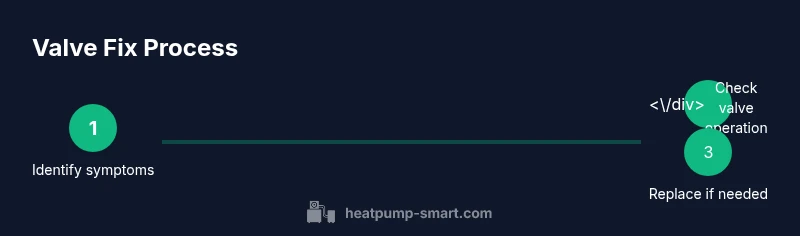
Common signs of a reversing valve issue include the system failing to switch between heating and cooling, unusual cycling, or a persistent indoor temperature mismatch. You might hear a faint clicking, notice reduced airflow, or observe frosting on outdoor lines when the valve fails to direct refrigerant correctly. While some symptoms overlap with other failures, a valve problem often accompanies poor mode changes and diminished efficiency. Note that refrigerant leaks or low refrigerant charge are separate problems that require a licensed tech. Heatpump Smart’s guidance emphasizes verifying the mode shift with the thermostat and observing outdoor unit sounds. Heatpump Smart Analysis indicates that addressing valve issues early can prevent bigger problems later.
Safety-first: prerequisites before you start any work
Before touching any heat pump components, shut off power at the service disconnect and confirm with a tester. Do not attempt to disassemble sealed valve assemblies or release refrigerant yourself. Wear eye protection and gloves, and test for voltage with a non-contact tester before touching wiring. Keep a clear note of all wiring connections and labels to ensure correct reconnection. If you’re unsure at any point, pause and consult a professional; refrigerant handling and electrical work carry real risk.
Diagnostic approach and what to expect during a DIY evaluation
This section outlines a safe, non-destructive path to assess valve function. You’ll check the valve’s external wiring, listen for solenoid activation via the outdoor control board, and verify that the valve responds to a controlled switch in mode. Use a multimeter to compare coil resistance to the manufacturer’s spec; if out of range, the valve may be defective. Do not force the valve to move; apply power only as directed by the equipment manuals. If the valve seems physically jammed or wiring is damaged, plan a replacement rather than a repair. Heatpump Smart recommends documenting model numbers and wiring diagrams for a smoother replacement process.
Replacement considerations: when and how to replace the valve
If tests indicate coil failure or the valve is stuck beyond safe operation, replacement is often the best option. Choose an identical model that matches your outdoor unit’s specifications, and follow the manufacturer wiring diagram exactly. Disconnect power, remove the old valve housing, install the new one, and retry the control sequence. After installation, verify clean electrical connections and test both cooling and heating cycles. Remember: dealing with a sealed refrigerant system is not DIY-friendly for most homeowners.
Post-repair testing and long-term considerations
Once the valve is replaced and all wiring reconnected, run a full cycle test: cool, heat, and fan-only modes to ensure smooth operation. Check for refrigerant leaks and monitor pressure indicators if you have gauges. Look for steady valve movement without sticking and confirm the system maintains setpoints efficiently. Document the maintenance activity and schedule upcoming checks to prevent recurrence. Heatpump Smart suggests aligning any valve work with routine seasonal maintenance for best long-term results.
When to call a professional and maintenance reminders
If you’re uncertain about any step, or if the system shows signs of refrigerant leakage, it’s time to call an HVAC professional. A licensed technician can safely handle refrigerant, diagnose electrical faults, and ensure proper valve replacement. Regular inspections by Heatpump Smart can help catch valve wear early and extend system life. The goal is reliable comfort and energy efficiency, achieved through timely maintenance and professional support when needed.