Why Heat Pump Iced Up in Winter: A Practical Troubleshooting Guide
Learn why heat pump iced up in winter and follow a structured troubleshooting path to restore efficiency, with safe steps, diagnostics, and prevention tips for homeowners and pros alike.


Most heat pump icing in winter starts with reduced airflow and a failing defrost cycle. According to Heatpump Smart, poor airflow or a faulty defrost sequence are common culprits. Quick fix: melt ice, clear the grille, and check vents. If icing persists, consult a qualified technician.
Understanding why heat pumps ice up in winter
Ice buildup on a heat pump during cold, humid conditions is not unusual, but it signals that the system is fighting moisture, airflow, or defrost control. According to Heatpump Smart, icing commonly emerges when outdoor temperatures hover near freezing and humidity is high, creating frost that can quickly accumulate on the outdoor coil. Aesthetically, you may see a white frost halo or a thick ice layer along the coil. Functionally, ice acts as an insulator, reducing heat transfer and forcing the system to work harder. The result is higher energy use, reduced comfort, and a faster rate of component wear. Understanding these dynamics helps you prioritize checks without unnecessary risk. Regular winter checks and clean maintenance can dramatically reduce ice formation and keep your heat pump operating efficiently throughout the season.
The role of airflow, filters, and outdoor coil cleanliness
Airflow is the lifeblood of a heat pump. When filters are dirty, return vents are blocked, or the outdoor coil is clogged with dust, snow, or debris, the coil surface becomes less effective at exchanging heat. That inefficiency promotes frost formation on the outdoor coil. Heatpump Smart analysis notes that even modest airflow restrictions can markedly increase icing risk in winter. Regularly inspecting the air filter, clearing debris from the outdoor unit, and ensuring a clear path for air to move across the coil can greatly reduce frost buildup. If you notice reduced airflow, fix the cause before the defrost cycle must compensate. Routine cleaning and mindful placement of outdoor units away from obstructions are simple but powerful preventative steps.
How the defrost system works and why it might fail
Most air-source heat pumps have a defrost cycle that periodically switches the system to heat the outdoor coil and melt accumulated ice. The cycle relies on temperature, ambient humidity, and accurate sensors. When a sensor misreads outdoor temperature or the defrost timer malfunctions, ice can persist or reform quickly after a defrost pass. A short or irregular defrost cycle can lead to a cycle of icing and defrosting that never fully clears the coil. If you observe ice forming consistently, it could indicate a defective defrost control board, a faulty thermostat, or a refrigerant-related issue that requires a licensed technician. Understanding the defrost cycle helps you diagnose whether the problem is airflow-related or an electrical/controls fault.
Immediate checks you can perform safely this winter
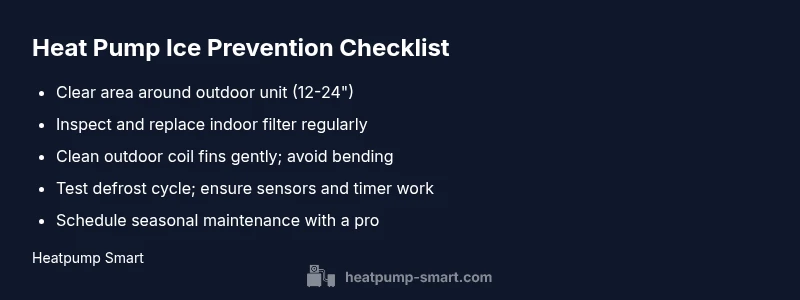
Start with non-contact, safety-minded checks. Ensure the outdoor unit has a clear space around it (at least 12-24 inches on all sides). Inspect and replace the indoor air filter if dirty. Clear any snow or debris from the grille that could block airflow. If ice is present, do not hammer or melt with hot water—use a plastic scraper to gently knock loose loose ice from accessible edges and allow natural melt in dry conditions. Ensure that the thermostat is set to a reasonable outdoor temperature for defrost operation and that the unit is not in a frost-prone mode for extended periods. If you have concerns about electrical safety, turn off the unit at the breaker before inspecting wires or terminals.
Diagnostic scenarios and recommended actions
When ice appears but the defrost cycle runs normally, inspect the outdoor sensor and wiring for signs of damage or loose connections. If the ice persists after a full defrost cycle, check for restricted airflow or a dirty condenser coil, which can fool the system into thinking it’s not warm enough to defrost. If the outdoor coil is visibly dirty, clean it using a soft brush or compressed air, being careful not to bend fins. If icing continues despite proper airflow and defrost operation, the issue could involve refrigerant levels or a failed defrost thermostat—these issues require professional service.
Safety and prevention: keeping ice at bay this winter
Safety always comes first. Do not use metal tools that could puncture coils or risk electric shock. Never use high-pressure water directly on the coil. Schedule seasonal maintenance with a licensed technician to inspect refrigerant charge, defrost controls, and sensors. To prevent icing, consider improving insulation around the space where the outdoor unit sits, keeping snow cleared promptly, and ensuring the unit is installed in a location with natural airflow away from obstructions. Regular maintenance improves reliability and energy efficiency, reducing the chances of ice formation over multiple winters.
Real-world scenarios and practical tips from Heatpump Smart
In real-world winters, icing often follows a pattern: a humid, cold morning leads to frost formation; during the day, if the sun warms the coil slightly, the frost may partially melt, then refreeze when temperatures drop again. In such cases, short, managed defrost cycles and proper airflow maintenance usually resolve the issue. If a customer reports recurring icing year after year, it is a strong sign that one or more subsystems—air filtration, outdoor coil cleanliness, or defrost controls—needs a closer look. Keeping a maintenance schedule with a trusted technician can catch these issues before they escalate and extend the life of your heat pump.
Prevention strategies for winter: how to keep icing from returning
Prevention starts with proactive care. Replace or clean air filters every one to three months during winter, depending on usage and indoor air quality. Keep the outdoor unit free of snow, ice, and debris; consider a protective grille that still allows adequate air movement. Schedule a professional inspection twice per year: once before winter and once mid-season to check refrigerant levels, defrost control, and sensor health. If your climate experiences frequent freezing precipitation, consider adding an auxiliary heating source or adjusting thermostat settings to minimize cycling on defrost mode. With consistent maintenance, you can minimize icing events and maintain efficiency throughout the season.
Steps
Estimated time: 45-60 minutes
- 1
Power down and ensure safety
Switch off the outdoor unit at the breaker and wait for any capacitors to discharge. This minimizes the risk of electric shock while you inspect. Never touch live electrical components.
Tip: Use a non-contact voltage tester to confirm the unit is de-energized before handling. - 2
Clear the area around the outdoor unit
Remove snow and debris from around the unit, maintaining at least 12-24 inches of clearance on all sides. Adequate airflow is critical for effective defrost and heat transfer.
Tip: Keep a routine snow-clearing plan to prevent buildup during storms. - 3
Check indoor air filtration and airflow paths
Inspect the indoor air filter and replace if dirty. Ensure no furniture or drapes block return vents. Proper airflow supports efficient heat exchange and frost prevention.
Tip: Set a reminder to replace filters every 1-3 months in winter. - 4
Inspect the defrost cycle and outdoor sensor
If you can, observe a defrost cycle or run a manual test per your unit’s manual. Look for proper cycle duration and responsive sensor behavior. A stuck or slow defrost cycle indicates a control issue.
Tip: Document any abnormal cycle timing for your tech visit. - 5
Gently remove obvious ice and inspect coils
Carefully chip away loose ice from the coil edges with a plastic scraper. Do not hit fins or use sharp tools. Visually inspect for signs of damage or excessive frost buildup.
Tip: Avoid prying with metal objects; damage can cause refrigerant leaks. - 6
Call a professional if icing recurs
If icing returns after the defrost cycle or you suspect refrigerant or electrical faults, schedule a professional service. Ongoing icing can indicate a hidden issue that requires specialized diagnostics.
Tip: Request a thermostat and refrigerant pressure check as part of the service.
Diagnosis: Outdoor unit iced over or frequent defrost cycling with minimal heat output
Possible Causes
- highLow airflow due to dirty filter, blocked return vent, or outdoor coil debris
- mediumHumidity and cold temps causing frost formation on the outdoor coil
- mediumMalfunctioning defrost control timer or outdoor temperature sensor
- lowLow refrigerant level or refrigerant leaks causing coil to stay too cold
Fixes
- easyClean/replace indoor air filter, clear return air path, and remove debris from outdoor grille
- easyGently remove loose ice with a plastic scraper and ensure proper airflow around the outdoor unit
- mediumTest defrost cycle and check thermostat/sensor wiring; replace faulty components if found
- hardIf ice persists or refrigerant issues are suspected, contact a licensed HVAC technician for repair
Your Questions Answered
Why does my heat pump ice up in winter?
Ice forms on the outdoor coil when humidity and cold temps interact with airflow restrictions or a faulty defrost cycle. A blocked airflow path, dirty filter, or malfunctioning thermostat can all contribute. Regular maintenance helps prevent icing.
Ice forms on the outdoor coil due to humidity, cold temperatures, and airflow issues, often from a blocked path or defrost malfunction. Regular upkeep helps prevent it.
Is it safe to melt ice with a hairdryer or hot water?
No. Using heat sources can damage components or cause electrical hazards. Allow ice to melt naturally after ensuring the unit is powered off, or contact a professional for safe defrost.
No, avoid heat sources like hairdryers or hot water. Power off and wait for a safe melt, or call a pro.
What should I check first when I see ice on the outdoor unit?
Check for blocked airflow, clear debris around the unit, and ensure the filter is clean. Then verify the defrost cycle is operating as intended. If icing persists, professional assessment is advised.
Check airflow, clear debris, inspect the filter, and test the defrost cycle. If it keeps icing, call a professional.
Can a low refrigerant level cause icing?
Yes, a refrigerant leak can cause the coil to stay too cold, leading to icing. This is a job for a licensed technician who can diagnose and repair refrigerant issues safely.
A refrigerant leak can cause icing because the coil gets too cold. A licensed tech should diagnose and repair it.
When should I call a professional for iced up heat pump?
Call a professional if icing recurs after cleaning and defrost testing, or if you suspect refrigerant, electrical, or sensor problems. Early professional advice can prevent damage and restore efficiency.
Call a pro if icing returns after basic checks or you suspect refrigerant or electrical issues.
How can I prevent icing in future winters?
Keep filters clean, remove nearby obstructions, and schedule twice-yearly maintenance to inspect defrost controls and refrigerant levels. A proactive maintenance plan minimizes frost and keeps performance steady.
Maintain filters, avoid obstructions, and get regular professional checkups to reduce icing.
Watch Video
Top Takeaways
- Identify airflow and defrost issues early to prevent icing
- Regular maintenance reduces winter icing risk
- Never DIY refrigerant repairs; call a licensed tech
- Heatpump Smart recommends seasonal checks for reliability