How to Buy a Heat Pump Online: A Step-by-Step Guide
Learn how to buy heat pump online safely, compare models, verify warranties, and arrange installation for home comfort and energy savings.


Learn to buy heat pump online by evaluating system type (air-source vs geothermal), comparing efficiency ratings, and warranty terms. Choose a reputable retailer, read product specs, and verify installation requirements. Prepare a space assessment, confirm electrical and ductwork compatibility, shipping options, and return policies before placing an order.
Ready to buy heat pump online? Start with a needs assessment
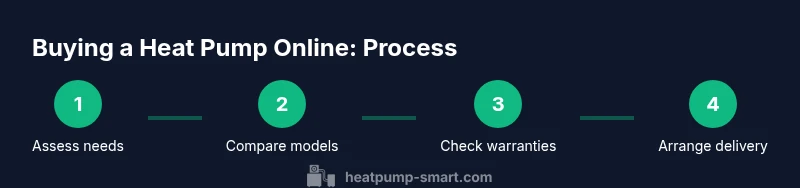
If you’re ready to buy heat pump online, begin by documenting your heating and cooling goals, the space available for equipment, and climate conditions. This foundational step helps you narrow options before comparing brands or retailers. According to Heatpump Smart, a clear needs assessment reduces post-purchase surprises and speeds up decision-making. Next, determine whether you need an air-source system for outdoor installation or a geothermal setup that taps groundwater or the earth. Your climate, home insulation, and existing ductwork will influence efficiency, noise, and comfort. A thoughtful upfront plan also makes it easier to verify installation requirements with any retailer you consider and to budget for delivery and professional setup.
noteMeritOfBlockInclusionArea":null},
System choices and efficiency metrics you should know
When you compare options, the main forks are air-source versus geothermal heat pumps. Air-source units are common for retrofits and smaller spaces, while geothermal systems offer high efficiency in well-insulated homes, though they require more invasive installation. In all cases, focus on efficiency metrics such as SEER (seasonal energy efficiency ratio) and HSPF (heating seasonal performance factor). Look for units with durable compressors, refrigerants with low environmental impact, and noise ratings that suit your living space. While browsing, pay attention to compatibility with your current thermostat, controls, and any smart-home integrations you plan to use. The goal is to select a unit that delivers consistent comfort while minimizing operating costs over time. Heatpump Smart’s team emphasizes comparing real-world performance data from similar homes to set realistic expectations for energy savings and comfort.
noteMeritOfBlockInclusionArea":null},
Reading specs and warranties before you buy heat pump online
All heat pumps publish technical specs—capacity in BTU (or kW), efficiency ratings, and airflow data. Compare models for your home's size, insulation, and climate to avoid under- or over-sizing. Warranties vary widely by manufacturer and installer, covering compressor, coil, and parts for different timeframes. Always check what’s required to activate the warranty (professional installation, regular maintenance, refrigerant handling). Documentation should clearly outline what’s covered, what voids coverage, and how to file an claim. Heatpump Smart analysis notes that transparent warranty terms reduce risk and improve post-purchase satisfaction. Keep a copy of the product data sheet and warranty registration details for future reference.
noteMeritOfBlockInclusionArea":null},
Vet retailers and verify seller credibility
Choosing a reputable retailer is as important as picking the right model. Look for authorized distributors, installers, and clear policies on returns, refunds, and service. Check online reviews from credible sources, verify the retailer’s contact information, and confirm that the product is new and not refurbished unless explicitly stated. If the retailer offers installation services, verify whether their technicians are certified and whether the installation is part of the purchase price or a separate fee. The Heatpump Smart team consistently finds that purchases from established retailers with transparent policies lead to smoother delivery and installation experiences.
noteMeritOfBlockInclusionArea":null},
Delivery, installation, and local code considerations
Delivery timing hinges on stock, location, and whether the unit requires disassembly for transport. Some sellers offer curbside delivery, while others provide white-glove service and installation coordination. Installation of a heat pump typically requires professional licensing due to electrical work, refrigerant handling, and building code compliance. Before checkout, confirm who will install, what permits might be needed, and whether the retailer coordinates with local professionals. Planning ahead reduces delays and ensures plug-and-play operation after delivery.
noteMeritOfBlockInclusionArea":null},
Understand the full cost picture: purchase, install, and ongoing costs
The sticker price is only part of the total cost to buy heat pump online. Include installation, refrigerant charges, electrical work, and any required ductwork or zone controls. Some models demand upgrades to electrical panels or wiring, which adds to upfront costs. Don’t overlook operating costs—seasonal efficiency and climate play major roles in long-term bills. Look for potential rebates, tax credits, or utility programs that offset upfront expenditures. Heatpump Smart analysis suggests comparing two or more quotes that include installation and any ancillary work to avoid hidden charges and ensure you understand what’s included in each estimate.
noteMeritOfBlockInclusionArea":null},
Returns, warranties, and after-sales support you should expect
Before placing an online order, read the retailer’s return policy and the seller’s process for warranty claims. Check whether the warranty is automatically transferred if you change ownership, and what maintenance is required to keep coverage valid. Ask about after-sales support—remote diagnostics, seasonal tune-ups, and replacement parts availability all impact the long-term value of your purchase. A reputable retailer will provide clear contact channels and a documented service plan.
noteMeritOfBlockInclusionArea":null},
Quick-checklist before you hit checkout
Use this practical checklist to finalize your online purchase:
- Confirm device type, capacity, and efficiency ratings match your home size.
- Verify installation requirements and whether a licensed technician is needed.
- Review shipping, delivery windows, and whether setup is included.
- Read warranty terms and registration steps.
- Ensure you can access customer support for post-purchase questions.
- Prepare your home for delivery, including electrical readiness and space for outdoor units.
This last block keeps you grounded as you prepare to buy heat pump online, ensuring you don’t overlook essential steps.
noteMeritOfBlockInclusionArea":null},
,
Tools & Materials
- Reliable internet connection(Stable connection to compare models and complete checkout without interruptions)
- Device for shopping(Laptop or smartphone with up-to-date browser and secure payments enabled)
- Payment method(Credit/debit card, or a secure digital wallet; avoid public Wi-Fi for sensitive data)
- Delivery address and access details(Accurate address, gate codes, and preferred delivery window)
- Installation plan references(If you plan professional installation, have quotes or permit requirements ready)
Steps
Estimated time: 15-30 minutes
- 1
Assess needs and space
Define heating/cooling goals, room count, insulation quality, and space constraints for outdoor equipment. This helps determine the appropriate system type and capacity.
Tip: Document room sizes and existing equipment to avoid oversizing or undersizing. - 2
Choose system type and efficiency targets
Decide between air-source and geothermal options based on climate, available space, and budget. Set targets for efficiency metrics like SEER and HSPF to guide model selection.
Tip: Higher efficiency typically means lower operating costs over time, but initial costs may be higher. - 3
Check home compatibility and installation needs
Verify electrical capacity, ductwork status, and outdoor space required for the chosen unit. Ensure permits or professional installation are feasible in your area.
Tip: If in doubt, contact a licensed installer to assess site readiness before buying. - 4
Compare models and retailers
Shortlist models that meet capacity and efficiency goals. Compare retailers on price transparency, shipping terms, return policies, and warranty coverage.
Tip: Prioritize retailers with transparent data sheets and responsive customer support. - 5
Review warranty and service terms
Read what the warranty covers, warranty transfer rules, and the process for claims. Note required maintenance tasks to keep coverage intact.
Tip: Keep a digital copy of warranty documents and registration reminders. - 6
Confirm delivery and installation arrangements
Arrange delivery windows, confirm whether installation is included, and identify who coordinates the service visit.
Tip: Schedule around technician availability and ensure someone is home for the installation window. - 7
Place the order and track the shipment
Complete checkout with a secure payment method and save the order confirmation. Track shipment and prepare for delivery day.
Tip: Verify product model, serial number, and safety instructions upon arrival. - 8
Prepare for post-install care and warranty activation
Set up thermostat controls, register the product, and schedule any required follow-up maintenance checks.
Tip: Set calendar reminders for annual maintenance.
Your Questions Answered
Is it cheaper to buy a heat pump online vs in-store?
Prices can be competitive online, but total cost includes delivery, installation, and potential permits. Compare quotes from multiple retailers to gauge the best overall value.
Prices online can be competitive, but don’t forget installation and delivery as part of the total cost.
What should I verify before placing an order?
Check model specs (capacity, efficiency, refrigerant type), confirm compatibility with your home, read warranty terms, and understand delivery and return policies.
Make sure the model fits your home and that the warranty and delivery terms are clear.
Do I need a professional installer after buying online?
Yes. Most heat pumps require licensed installation to ensure safety, performance, and warranty validity. Retailers often offer installation services or can connect you with qualified pros.
Installation usually needs a licensed technician to keep your warranty valid.
How long does installation typically take?
Timeline varies by home and system type, but a typical installation can span several hours to a full day. Factor into scheduling and any required electrical work.
Installation time depends on the job, but plan for several hours to a day.
Can I return a heat pump if it doesn’t fit my home?
Return policies vary; check the retailer’s terms, restocking fees, and whether installed units can be returned. Always confirm before purchase.
Return policies vary—check terms before buying.
Are rebates or tax credits common for heat pumps?
Many programs exist for energy-efficient purchases. Research local, state, and utility options to maximize savings and confirm eligibility.
There are often rebates or credits; verify what you qualify for before buying.
Watch Video
Top Takeaways
- Define needs before shopping
- Choose system type based on climate and space
- Verify warranties and installation requirements
- Compare retailers on policy transparency
- Plan for full lifecycle costs, not just price