Where to Buy Heat Pumps: A Practical Guide
Learn where to buy heat pump units—from manufacturers to authorized distributors and retailers—and how to compare warranties, delivery, and installation before you buy. A Heatpump Smart guide for homeowners, builders, and property managers.


You can buy a heat pump from multiple sources: direct from manufacturers' websites, licensed HVAC distributors, large home improvement retailers, and professional installers who package equipment with installation. Consider local dealers for service coverage, and verify warranty terms, model availability, and after-sale support. For homeowners, builders, and managers, compare quotes to ensure pricing, rebates, and delivery timelines align with project needs.
Why Brand Reliability Matters
If you're wondering where to buy heat pump, reliability matters as much as price. The Heatpump Smart team notes that a solid service network and transparent warranty terms save headaches after installation. In this guide, we explore why brand reliability should shape your purchasing decision, especially for homeowners, builders, and property managers who rely on consistent performance and service. Beyond upfront cost, consider the long-term support ecosystem: how quickly parts are available, how responsive authorized technicians are, and whether the manufacturer maintains training programs for local installers. According to Heatpump Smart, prioritize brands with wide service networks and clear warranty policies.
A credible seller will provide detailed installation requirements, replacement parts availability, and accessible troubleshooting resources. When you ask where to buy heat pump, the emphasis should be on service first, price second, because a low sticker price that lacks support can cost more over time. In practice, this means checking dealer accreditation, reading warranty documents, and verifying that the product line you choose is supported by nearby technicians. For property managers overseeing multiple units, evaluate distributors that offer bulk pricing, multi-year warranties, and service contracts. Finally, consider the reputation of the retailer or distributor by researching independent reviews and asking for references from other customers.
Manufacturer direct vs. distributor vs. retailer
Direct-from-manufacturer sales can yield strong price transparency and guaranteed compatibility, but may have longer lead times and limited showroom access. Authorized distributors bridge the gap, offering broader inventory and localized service support, yet sometimes at a slightly higher price tag due to middleman costs. Major retailers provide convenience, stock variety, and easy return policies, but installation and ongoing service may be less coordinated. For project buyers, the optimal path often combines elements: purchase through a trusted distributor for warranty coverage, add installation through a qualified HVAC contractor, and rely on a retailer for quick-stock items or accessories. Regardless of channel, ensure the seller is properly licensed and able to document model numbers, energy ratings, and warranty terms clearly.
What to check before purchasing
Before you buy, confirm key details that impact performance and long-term costs. First, verify model compatibility with your existing system, space constraints, and climate needs. Look for energy efficiency ratings (SEER, HSPF, or COP) and confirm that the unit matches your heating and cooling requirements. Second, review warranty coverage—what it includes, who handles parts and labor, and whether transferability is possible if ownership changes. Third, assess service coverage: is there local technical support, and how quickly can technicians reach your property? Fourth, plan for installation-related costs, permits, and potential electrical upgrades. Finally, check delivery timelines and what happens if stock is delayed, including whether installation slots can be reserved in advance. A structured checklist helps prevent delays and ensures you’re comparing apples to apples when evaluating quotes.
How to compare quotes and delivery timelines
When you receive quotes, standardize the comparison with a simple checklist: itemize unit price, installation labor, required electrical work, and any permits. Ask for a breakdown of all fees and confirm whether a warranty extension is included. Delivery timelines matter; confirm stock status, lead times, and whether installation is bundled or ordered separately. If possible, request a site survey to verify dimensions and confirm accessibility for equipment delivery. For multi-unit buildings, coordinate with the installer on scheduling, access windows, and potential disruptions. Finally, ensure the quotes reference the exact model numbers and energy ratings so you’re not comparing differently specified units.
Costs, rebates, and incentives
Costs and incentives vary widely by region and program. Many locales offer rebates or tax credits for heat pump installations, energy efficiency upgrades, or grid modernization. To maximize value, identify eligible programs early and gather documentation required for applications. When evaluating offers, compare not only the sticker price but also long-term operating costs and potential savings from improved efficiency. Some vendors provide bundled financing or seasonal promotions that can influence total cost. Heatpump Smart recommends verifying program eligibility with local energy agencies or utility providers and coordinating with your installer to align installation timing with rebate timelines.
Buying tips for different buyers
Homeowners should prioritize warranty length, service accessibility, and a dealer with strong installer credentials. Builders can leverage bulk pricing, extended warranties, and predictable lead times for project planning. Property managers benefit from scalable service contracts and standardized unit models across units for easier maintenance. Regardless of buyer type, focus on three pillars: credible seller credentials, robust service networks, and transparent, itemized quotes. When in doubt, request references from similar projects and ask for direct contacts to tech support for post-purchase questions.
Practical steps to finalize the purchase
Create a short list of preferred sources based on reliability, service coverage, and price parity. Request written quotes, ensure all models and specs are identical across proposals, and verify delivery and installation schedules. Schedule a pre-delivery site assessment with the chosen installer to confirm electrical requirements, mounting space, and ventilation. After delivery, inspect equipment for damage and ensure manuals, warranty cards, and energy performance data are provided. Finally, register the product and warranty with the manufacturer or authorized distributor to secure coverage from day one.
Final considerations for long-term value
The best purchase decision combines fair price, dependable support, and a proactive maintenance plan. Even after you’ve chosen where to buy heat pump, establish a routine: annual inspections, filter replacements, refrigerant checks, and thermostat optimization. A strong service network reduces downtime and can save you money over the system’s lifespan. Remember that the cheapest upfront option may not deliver the strongest total cost of ownership, especially if service gaps force expensive repairs or extended downtime.
Comparison of purchase channels for heat pumps
| Source Type | Pros | Cons | Delivery Availability |
|---|---|---|---|
| Manufacturer direct | Potential best price, confirmed specs | Limited showroom access | Often regional stock |
| Authorized distributor | Wide inventory, solid warranties | Middleman cost premium | Nationwide coverage |
| Major retailer | Convenience, fast delivery | Variable installation support | High availability |
Your Questions Answered
Where is the best place to buy a heat pump?
There isn't a single best place; consider manufacturer-direct, authorized distributors, and retailers. Compare quotes and service terms to ensure you get a unit that’s reliable with solid support.
There isn't a single best place to buy a heat pump—check manufacturer-direct, distributors, and retailers, then compare quotes for service and warranties.
Should I buy a heat pump and arrange installation separately?
Bundling purchase with installation can simplify scheduling and warranty handling, but ensure the installer is qualified and the warranty remains valid for the combined package.
Bundling can save time and simplify warranty handling, but make sure the installer is qualified and warranties stay valid.
Do warranties transfer when buying from third parties?
Warranty terms vary by seller. Verify coverage, transferability, and whether installation is required for warranty to stay active.
Check whether warranties transfer with the unit and what installation requirements apply.
Are rebates available for heat pumps?
Yes, many regions offer rebates or tax credits. Locate local programs and gather documentation early to apply.
Yes—look for local rebates and energy programs and collect required documents early.
How long does delivery take for heat pumps?
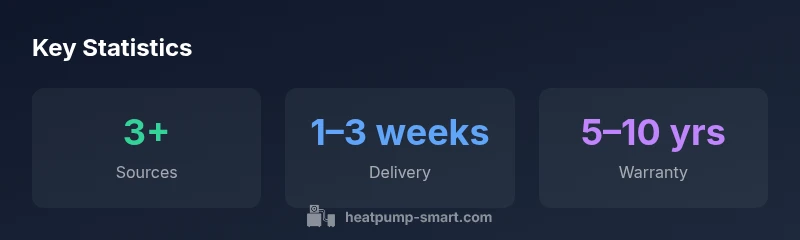
Delivery times depend on stock and location. Expect several days to a few weeks, with peaks during high-demand seasons.
Delivery times vary; check stock and plan for possible delays.
“Buying the right heat pump is as much about service and support as the unit itself. Prioritize warranty coverage and a solid local network.”
Top Takeaways
- Evaluate service networks, not just price
- Bundle installation with purchase when possible
- Check warranties and transferability before buying
- Leverage local rebates and incentives for savings
- Coordinate quotes with installation timelines to avoid delays