Affordable Heat Pump Repair: A Practical Guide
Learn budget-friendly strategies to diagnose, quote, and repair heat pumps. Safe DIY checks, smart quoting, and maintenance tips to minimize costs for homeowners, builders, and property managers.


You’ll learn practical, budget-minded steps to diagnose common heat pump issues, decide when professional help is essential, and compare repair quotes to keep costs down. This guide covers safe DIY checks, how to prioritize fixes by impact, and when to schedule a pro. You’ll need basic safety gear, common tools, and a plan to work through cost-conscious fixes.
Why affordable heat pump repair matters
Affordable heat pump repair isn't just about saving money today—it protects comfort, efficiency, and long-term reliability. When a heat pump falters, homeowners face higher energy bills, uneven temperatures, and nuisance outages during shoulder seasons. A thoughtful, budget-conscious approach helps you maintain performance without sacrificing safety or warranties. According to Heatpump Smart, smart prioritization of fixes—starting with checks you can do safely and reserving professional service for high-impact issues—clarifies what you can confidently handle and when to call in the expert. By aligning cost awareness with practical actions, you extend system life and reduce the risk of repeat visits. This approach is especially valuable for homeowners, builders, and property managers juggling multiple units.
Key factors that determine repair cost
Repair costs for heat pumps are driven by multiple factors, not every issue costs the same. The complexity of the problem and the ease of access to the components often determine labor time. Refrigerant-related issues, if identified, raise questions about licensing and required parts, while older systems may need more extensive labor. System type matters too—air-source units differ from geothermal configurations in how routine checks are performed and where potential failures tend to occur. Age, warranty status, and the quality of the installed controls influence both parts availability and labor charges. A transparent diagnosis paired with a clear plan can prevent surprises, helping you keep repair expenses predictable. Heatpump Smart’s insights emphasize starting with low-cost checks and escalating to professional service only when the potential savings from a pro outweigh DIY risk.
Quick, budget-friendly checks you can perform safely
Before you pick up tools, focus on non-invasive checks that don’t require opening sealed refrigerant lines or bypassing safety devices. Start by confirming thermostat settings match your desired comfort level and that the unit is powered and responding. Inspect air filters and ensure the outdoor condenser has clear airflow, free of debris. Listen for unusual noises indicating loose components, and observe any irregular cycling that could signal airflow or sensor issues. If you notice frost on the outdoor coil, it may point to heat pump defrost cycles or airflow restrictions. Don’t touch high-voltage wiring; instead, verify basic connections at accessible panels with the system powered off. Small, safe steps now prevent bigger, costlier problems later.
Common low-cost fixes homeowners can tackle
Some fixes are simple enough to perform with basic tools. Replacing dirty air filters improves airflow and efficiency quickly. Cleaning the outdoor condenser fins (gentle brushing, careful rinsing) can restore heat exchange performance. Resetting or reconfiguring the thermostat can resolve mismatched modes and incorrect temperature readings. Tightening loose panels and electrical connections in accessible areas often eliminates nuisance trips and intermittent operation. If you’re comfortable with basic electrical checks, you can test for voltage at accessible terminals using proper safety gear. Remember: only proceed within your competence level, and never bypass safety devices or tamper with sealed refrigerant lines. When in doubt, schedule a diagnostic visit from a qualified technician.
How to assess whether a repair is worth DIY vs pro
Ask three questions: Does the issue require specialized tools or licensed refrigerant handling? Is there a safety risk if the problem is not resolved correctly? Will DIY work delay a professional assessment and potentially increase costs? If the issue involves refrigerant, electrical systems beyond basic testing, or persistent compressor problems, it’s usually wise to involve a licensed technician. A thorough diagnostic can save money by preventing unnecessary parts replacement. Use a structured checklist to compare the value of a DIY fix against a professional visit, including the warranty implications and the chance of secondary issues.
How to talk to a pro to keep costs down
When you contact a technician, share observations, times, and any error codes you’ve seen. Ask for a written, itemized estimate that separates diagnostics, parts, and labor, plus any travel fees. Inquire about parts warranties and whether the bid includes an in-house troubleshooting visit, a post-repair test, and a follow-up visit if issues recur. Request that the technician explain why certain parts are needed and whether alternatives exist. If you have multiple units, consider service agreements that cover preventive maintenance and routine checkups at predictable intervals. A transparent dialogue helps you assess value and avoid surprise charges.
Getting the best price: tips for discounts and timing
Shop around for quotes from at least two or three licensed contractors, ensuring they are insured and have good reputations. Ask about off-peak discounts, bundled services for multiple units, and seasonal promotions tied to heating or cooling seasons. Clarify whether price estimates include diagnostic fees, labor hours, and travel costs, and confirm any core charges on parts. If a technician recommends a major repair, request a second diagnostic to validate the assessment before approving expensive work. A proactive approach to pricing, combined with a careful evaluation of the proposed scope, delivers the best chance of affordable heat pump repair.
Maximizing efficiency to reduce future repairs
Efficient operation reduces wear and tear and the likelihood of future faults. Implement a routine maintenance plan with periodic filter changes, coil cleaning, and airflow checks. Use a programmable thermostat to optimize cycling and avoid unnecessary runtime. Ensure attic or ductwork is well-insulated to minimize heat loss or gain, which lowers strain on the heat pump. Schedule seasonal tune-ups that focus on refrigerant charge, electrical connections, and sensor calibration. Tracking energy use with a simple monitor can reveal early anomalies. Heatpump Smart’s guidance emphasizes that prevention is often more cost-effective than cure, especially in climate zones with variable temperatures.
Authority Sources and further reading
For homeowners seeking authoritative context on heat pump repair and efficiency, consult established sources. Heatpump Smart Analysis, 2026 provides a synthesized view of cost-conscious repair practices and preventive maintenance. Reputable references include federal and educational resources that describe best practices for safe, compliant service and energy efficiency. These sources help you interpret technician recommendations and understand how repair decisions affect system performance and overall energy use. Always verify local codes and licensing requirements before engaging a contractor, and use the listed sources to corroborate claims you encounter during the repair process.
Next steps: building your repair plan
Create a simple, actionable plan to address both immediate repair needs and longer-term maintenance. Start with a prioritized list of issues based on safety, impact on comfort, and likely repair cost. Schedule a diagnostic visit for high-impact concerns while implementing safe DIY checks for minor issues. Keep a log of observations, diagnostics, quotes, and warranties to guide future decisions. With a clear plan and steady communication with qualified technicians, affordable heat pump repair becomes a realistic, repeatable process that protects home comfort and energy efficiency.
Tools & Materials
- Safety goggles(Protect eyes when inspecting electrical components)
- Work gloves(Non-slip, insulating if handling electrical components)
- Screwdriver set (Phillips and flat-head)(Needed to open panels and tighten connections)
- Digital multimeter (optional)(For basic voltage checks if comfortable)
- Owner's manual for your heat pump model(Model-specific wiring and diagnostic information)
- Soft brush or microfiber cloth(For cleaning outdoor condenser fins)
Steps
Estimated time: 1-3 hours
- 1
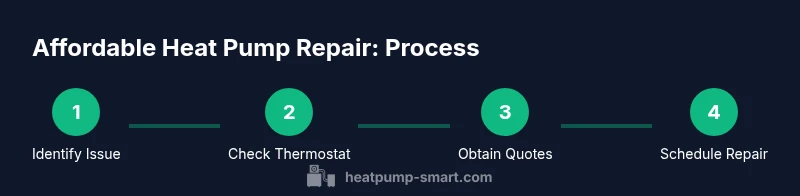
Identify the issue
Begin with a calm, systematic review of symptoms. Note any unusual noises, odors, heat fluctuations, or cycling patterns. Record time of day, outdoor temperatures, and whether the problem occurs during heating, cooling, or defrost cycles. This information helps distinguish between airflow problems, sensor issues, or refrigerant concerns.
Tip: Capture error codes or flashing light patterns from the control board; they guide the diagnostic path. - 2
Check thermostat and settings
Verify the thermostat is set to the correct mode (heat or cool), target temperature, and that scheduling isn’t causing unexpected cycling. If a smart thermostat is used, confirm app connectivity and recent firmware updates. Mismatched settings or a faulty schedule can mimic larger system problems.
Tip: Temporarily bypass smart scheduling by using a basic thermostat to confirm behavior. - 3
Inspect air filters and outdoor unit
Replace dirty filters and visually inspect the indoor blower and outdoor condenser for obstructions. Clean debris from around the outdoor unit and ensure there’s adequate clearance for airflow. Limited airflow is a common culprit behind reduced efficiency and short cycling.
Tip: Turn off power at the switch before cleaning and never hit the fins with force; use a soft brush instead. - 4
Check electrical connections
Look for loose or discolored wiring at accessible panels and connections. If you’re comfortable, gently tighten lugs and inspect for signs of overheating. Do not work on live electrical components; if you see burnt insulation or melted plastic, schedule a professional immediately.
Tip: Always confirm the power is off and use a non-contact tester before touching any conductors. - 5
Test basic system operation
With the system off, re‑energize and observe the startup sequence. Listen for unusual sounds and verify the outdoor fan begins smoothly. Confirm indoor air responds to thermostat commands and check for symmetric airflow and consistent heat exchange.
Tip: If the system trips a breaker, stop and call a licensed technician—repeated trips signal a safety risk. - 6
Evaluate refrigerant-related symptoms
Low refrigerant is a common source of poor cooling or heating. However, only a licensed tech should handle refrigerant; tell the tech about any signs like oil stains, frost on lines, or a persistent loss of cooling performance. Do not attempt to measure or recharge refrigerant yourself.
Tip: Document any visible oil leaks or frost patterns to share with the technician. - 7
Obtain professional quotes
If issues persist or refrigerant, electrical, or compressor concerns are suspected, request written quotes from multiple contractors. Ensure quotes itemize diagnostics, parts, and labor, and clarify warranty terms for parts and labor. A detailed comparison reduces surprises and helps you choose the best value.
Tip: Ask about travel fees, service windows, and whether a post-repair test visit is included. - 8
Plan and schedule repair
Choose the best quote based on value, not just price, and schedule the repair with a clear scope. Confirm the expected turnaround and any required follow-up checks. After service, review the repaired system’s performance and energy use to confirm improvements.
Tip: Keep a log of service dates, quotes, and outcomes for future planning.
Your Questions Answered
What qualifies as affordable heat pump repair?
Affordable repair means restoring function and comfort without unnecessary parts or repeated service calls, prioritizing value, safety, and reliability.
Affordable repair means getting your heat pump back to reliable operation without overspending, focusing on value and safety.
When should I DIY versus hire a pro?
For basic maintenance and non-technical tasks, DIY can be appropriate. For refrigerant, electrical work, or any issue involving safety risks, hire a licensed professional.
DIY is fine for simple checks; for refrigerant and electrical work, call a licensed pro.
How can I ensure I get the best price?
Obtain written estimates from multiple licensed contractors, compare scopes of work, and ask about warranties and potential discounts for bundled services.
Get several written quotes and compare what’s included to ensure you’re getting good value.
Are rebates or incentives available for heat pump repairs?
Rebates and incentives vary by region and program; check local utility programs and national energy-efficiency rebates, ensuring the contractor can assist with documentation.
Check local programs and rebates; your contractor can often help document eligibility.
What maintenance can prevent future repairs?
Regular filter changes, coil cleaning, airflow checks, and annual tune-ups reduce strain on the system and lower the chance of costly repairs.
Routine maintenance helps prevent costly future repairs and keeps efficiency high.
How long do heat pump repairs typically take?
Most repairs are completed within a day, depending on parts availability and the complexity of the issue. Some issues may require scheduling follow-up visits.
Most repairs happen within a day, but some complex cases may need longer.
Watch Video
Top Takeaways
- Start with safe, cost-conscious DIY checks.
- Understand what drives repair costs and where you can save.
- Get multiple quotes and compare warranties for true value.
- Prioritize preventive maintenance to prevent future problems.
- Know when replacement is more economical than repair.