Fixing a Heat Pump: A Practical How-To Guide
Learn how to diagnose and safely fix common heat pump issues. This expert guide covers troubleshooting steps, safety tips, maintenance habits, and when to call a pro for reliable home comfort and energy savings.


This guide helps you diagnose common heat pump problems, perform safe, basic fixes, and know when to call a professional. You’ll follow a practical troubleshooting workflow, learn essential safety precautions, and adopt maintenance habits that protect efficiency. It’s a hands-on resource for homeowners, builders, and property managers seeking reliable, actionable guidance to keep heat pumps running smoothly.
Why fixing heat pump matters
Heat pumps are a cornerstone of modern home comfort, delivering efficient heating and cooling across seasons. When they falter, you may notice higher energy bills, uneven temperatures, or reduced climate control. Quick, methodical fixes can prevent minor issues from becoming major failures, and routine maintenance helps protect efficiency and extend equipment life. The Heatpump Smart team emphasizes that a disciplined approach to diagnosis reduces downtime and costly repairs, especially in peak seasons. Document symptoms, note recent changes in performance, and track any alert lights so a technician can quickly pinpoint the root cause. A proactive mindset here translates into steadier indoor comfort, lower running costs, and fewer emergency service visits.
Throughout this guide, we’ll reference practical checks you can perform safely, plus when it’s time to involve a licensed professional. We’ll also align with Heatpump Smart’s best practices for documentation and preventive care, so your heat pump stays reliable year-round.
Common heat pump symptoms to recognize
Identifying the right symptom is the first step toward a quick fix. Typical signals include: the system runs continuously without reaching set temperature; you hear grinding, squealing, or buzzing noises; warmer or cooler air than expected is blowing from registers; ice forms on the outdoor unit or coils; the thermostat display shows fault codes or the system refuses to start; energy bills spike without a clear reason. Keep a log of when the symptom appears, how long it lasts, and any related environmental changes (extreme cold, high humidity, or recent maintenance).
Taking note of when symptoms occur helps narrow down probable causes. For instance, poor heating performance in cold weather often points to air flow restrictions or defrost cycle faults, whereas frequent cycling may indicate thermostat or refrigerant flow issues. Heatpump Smart analysis shows that homeowners who track symptoms over time can communicate more clearly with technicians and reduce diagnostic time.
Safety first: hazards and precautions
Working on a heat pump involves electrical components, refrigerant circuits, and potentially high-pressure lines. Prioritize safety to prevent shock, burns, or refrigerant exposure. Always shut off power at the service disconnect before inspecting electrical connections. Use protective gear: safety glasses, insulated gloves, and non-slip footwear. Do not attempt refrigerant handling or charging yourself—this requires licensed HVAC technicians and proper recovery equipment. If you smell chemical fumes or hear hissing near refrigerant lines, evacuate the area and call a professional.
Avoid opening sealed electrical housings unless you’re trained. If you notice burnt smells, melted insulation, or tripped breakers, refer to a pro. Proper lockout/tagout procedures should be followed to ensure the system won’t restart unexpectedly during inspection.
Diagnostic framework: from symptoms to causes
A systematic approach makes diagnosis faster and safer. Start with zero-touch checks: verify power, thermostat settings, and breaker status. Then inspect airflow paths (filters, indoor blower, and supply ducts) and outdoor unit cleanliness (debris, ice, or bent fins). If symptoms persist, map them to common failure modes:
- Heating performance loss often ties to airflow or refrigerant-related issues.
- Short cycling may indicate thermostat problems or pressure switch faults.
- No start or fault codes frequently point to electrical faults or control board issues.
Document the connection between symptoms and observed conditions. This clarity helps your technician reproduce the issue and verify a fix after service.
Note: Refrigerant-related problems require a licensed tech and should never be attempted by homeowners.
Tools, parts, and where to source them
A well-stocked toolbox supports safe DIY checks. Essential items include a multimeter for voltage checks, a non-contact voltage tester for quick live assessments, a flashlight for tight spaces, and a screwdriver set (Phillips and flat-head) for panel access. Keep protective gear (gloves and safety glasses) on hand. For non-urgent repairs, you may need replacement fuses, electrical tape, wire nuts, a digital thermometer, and contact cleaner. Do not buy or install refrigerant components yourself; only use parts recommended by the manufacturer or a licensed technician. If you suspect a failed capacitor or contactor, consult Heatpump Smart’s maintenance guide before purchasing replacement parts to ensure compatibility.
Sourcing parts should prioritize quality and compatibility with your heat pump model. Always reference the unit’s manual or Heatpump Smart’s online resources to confirm part numbers before ordering.
Home troubleshooting workflow (non-invasive first)
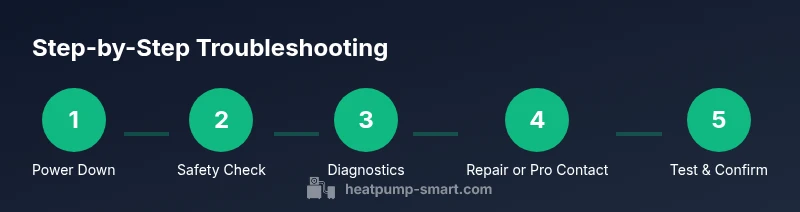
Begin with non-invasive checks that pose minimal risk. Start by powering down the system and disconnecting power to avoid shocks. Then verify the thermostat communication, confirm the ambient temperature settings, and ensure there’s power at the outdoor unit. Inspect the air filter and indoor blower for dust buildup that can reduce airflow. Clear any debris from the outdoor condenser and remove ice if present, but do not chip away aggressively. Finally, reset the thermostat or the system’s control board if fault codes disappear after a basic reset.
This sequence emphasizes safety and efficiency, minimizing the chance of worrisome mistakes while you identify the root cause. If the problem persists after these steps, document the symptoms and proceed to more advanced checks or contact a professional.
Maintenance routines to prevent future issues
Preventive care is the best fix. Implement a seasonal maintenance schedule that includes replacing air filters every 1–3 months (depending on usage and filter type), cleaning the outdoor coil, and ensuring clear space around the outdoor unit for adequate airflow. Schedule professional inspections at least once a year, or more often in extreme climates. Calibrate thermostat settings to ensure accuracy and document any fault codes so you can track recurring patterns. A well-maintained heat pump operates more efficiently, reduces running costs, and extends equipment life.
In addition to mechanical checks, review insulation and ductwork to minimize heat loss in winter and heat gain in summer. Heatpump Smart’s guidance emphasizes that addressing airflow and refrigerant system cleanliness can yield tangible energy savings and comfort improvements over the long term.
When to call a professional and warranty considerations
Some problems demand professional intervention. If you encounter refrigerant leaks, persistent fault codes after safe resets, electrical smells, or signs of water intrusion around electrical panels, contact a licensed HVAC technician. A professional can perform pressure tests, refrigerant recovery, and electrical diagnostics safely and in compliance with codes. Remember that improper refrigerant handling or attempts to re-charge a system can void warranties and pose safety risks. Review warranty terms to understand coverage on repairs and replacements, and keep a maintenance log for proof of regular service.
Professional service also protects your warranty by ensuring repairs are documented and performed to manufacturer specifications. This is consistent with Heatpump Smart’s recommended practices for preserving performance and longevity.
Final practical tips and next steps
Before you fix anything, take a photos-and-notes approach: snap photos of control panels, label wires, and annotate any observed issues. Use a structured checklist to stay organized. If a diagnosis points toward non-urgent components (filters, airflow restrictions, or dirty coils), complete the recommended maintenance and re-test the system. If, after non-invasive steps, the heat pump still underperforms or won’t start, schedule a professional diagnostic visit. Keeping a transparent record helps technicians reproduce symptoms quickly and verify that the fix has the desired effect on performance and energy use. Remember, safety and accuracy come first.
SCREEN-FREAD (closing thought)
This guide offers a practical, safety-first approach to fixing common heat pump issues. By combining methodical DIY checks with professional support when needed, you protect comfort, efficiency, and system longevity. Heatpump Smart’s balanced framework—practical steps, safety emphasis, and maintenance focus—helps homeowners and property professionals keep heat pumps performing reliably across seasons.
Tools & Materials
- Multimeter (digital, with proper range)(Check for continuity and voltage; use in voltage mode to verify circuits)
- Non-contact voltage tester(Quickly confirm live circuits before touching wires)
- Screwdriver set (Phillips and flat-head)(Access panels and components safely)
- Flashlight or headlamp(Illumination for cramped spaces)
- Electrical tape and wire nuts(Secure connections and insulate exposed wiring)
- Gloves and safety glasses(Personal protection during inspection)
- Replacement fuses and spare relays(Only if specified by model and tech guidance)
- Insulation material or tape for ducts(Tighten ducts and seal minor leaks)
- Thermometer or infrared thermometer(Evaluate coil temperatures or airflow heat)
- Contact cleaner(Safe for electrical contacts during inspection)
- Manual for your heat pump model(Reference for parts and wiring diagrams)
Steps
Estimated time: 90-120 minutes
- 1
Power down and safety check
Shut off power to the heat pump at the service disconnect and verify no live voltage using a non-contact tester. This prevents electrical shock while you inspect panels and wiring. Confirm the system is isolated before removing any covers.
Tip: Double-check the main breaker as a secondary safety measure; never work on live circuits. - 2
Check thermostat settings and control signals
Ensure the thermostat is set to the correct mode (heat or cool) and that the setpoint is within a reasonable range of indoor temperature. Confirm thermostat wires are securely connected and that an app-based or remote sensor reports accurate readings.
Tip: If using a smart thermostat, test with a basic non-smart thermostat to rule out app-related issues. - 3
Inspect outdoor unit for debris and ice
Look for leaves, dirt, or vegetation obstructing airflow around the outdoor condenser. Check for ice buildup on the coils during cold weather and carefully remove ice with a plastic tool if needed. Do not use sharp tools on coil fins.
Tip: Keep at least 3 feet of clearance around the unit for adequate airflow. - 4
Check indoor air filter and blower
Remove and inspect the air filter for dirt and debris. Replace if dirty, and ensure the blower wheel spins freely without rubbing. Dirty filtration reduces heat transfer and can cause system to run longer than needed.
Tip: Replace filters on a schedule aligned with your usage pattern to maintain efficiency. - 5
Inspect electrical connections and fuses
Visually inspect accessible wiring and connections for corrosion, looseness, or discoloration. Check fuses or circuit breakers; reset if tripped and test the circuit with the multimeter to confirm voltage. Do not adjust high-voltage components beyond basic reseating.
Tip: Only touch what you can safely access; if you see burned wiring, stop immediately and call a pro. - 6
Assess refrigerant-related concerns (do not recharge)
Look for obvious signs of refrigerant issues such as oil leaks around joints or hissing sounds near lines. Note that refrigerant handling requires licensed technicians with proper recovery equipment. Do not attempt to measure or adjust refrigerant pressures yourself.
Tip: If you suspect a leak, capture photos and fault codes and contact a pro promptly. - 7
Run a basic self-test and clear fault codes
If your system has a self-test mode, run it to capture any residual fault codes. Record codes and what you were observing. Some faults clear after a reset; if the code returns, this points toward a persistent issue.
Tip: Document the code and the conditions under which it appeared for easier diagnosis. - 8
Restore power and monitor performance
Reconnect power and observe system operation for 15–30 minutes. Check for stable cycling, proper airflow, and steady heating or cooling. If issues persist or you encounter new codes, schedule a professional diagnostic visit with your notes.
Tip: Keep a log of performance metrics and any symptom changes to share with a technician.
Your Questions Answered
Can I fix a refrigerant leak myself?
No. Handling refrigerant requires licensed technicians and proper recovery equipment. Unauthorized charging can be dangerous and illegal. Always contact a pro if you suspect a leak.
It's not safe to fix refrigerant leaks yourself; a licensed technician should handle refrigerant recovery and repair.
What should I check first if the heat pump won't start?
First verify power at the service disconnect and the thermostat settings. Ensure breakers are on and there are no obvious wiring issues. If it still won't start, call a professional.
Check power and thermostat settings first; if it still won’t start, a pro should inspect electrical and control components.
Why is my heat pump running but not heating or cooling effectively?
Possible issues include restricted airflow, dirty filters, incorrect thermostat settings, or refrigerant problems. Start with filter changes and airflow checks, then consider professional diagnostics for refrigerant or control faults.
If it’s running but not delivering, start with filters and airflow, then get a professional if the problem persists.
How often should I schedule professional maintenance?
Aim for an annual professional inspection, with additional seasonal checks in extreme climates. Regular upkeep helps sustain efficiency and reduce unexpected failures.
Most systems benefit from a yearly tune-up, plus seasonal checks in harsh weather.
Is it safe to reset the system after a fault code?
For simple fault codes, a controlled reset can help; if the code returns, or if you see new issues, contact a technician. Do not repeatedly reset without understanding the cause.
You can reset a simple fault once, but if it repeats, call a pro.
Watch Video
Top Takeaways
- Diagnose with a safety-first mindset.
- Different symptoms point to distinct causes.
- Non-invasive checks should precede electrical work.
- Professional service is essential for refrigerant and major electrical work.