Cost to Replace Heat Pump and Air Handler: A Comprehensive Guide
Learn the cost to replace heat pump and air handler, the drivers behind pricing, typical ranges, financing options, and practical tips to maximize value for homeowners, builders, and property managers.


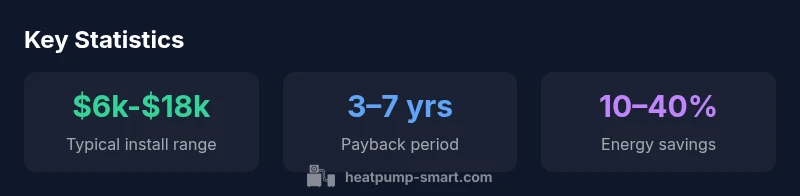
The cost to replace heat pump and air handler typically ranges from $6,000 to $18,000, depending on system size, efficiency, ductwork needs, and installation complexity. Regional variation, permits, and warranties can add to the total. This guide explains drivers, typical ranges, and value for money, with practical steps for homeowners, builders, and managers. According to Heatpump Smart, prices vary by region and project scope.
Cost drivers behind replacing heat pump and air handler
Replacing both the heat pump and air handler involves several cost drivers. The unit price for the heat pump and for the air handler varies widely by brand, SEER/HSPF ratings, refrigerant type, and warranty terms. Higher-efficiency models deliver lower operating costs but come with higher upfront prices. Ductwork integrity, existing wiring, and electrical panel capacity can add significant costs, especially in older homes. Labor costs depend on accessibility, the complexity of the installation, and whether ductwork must be modified or relocated. Permits, inspections, and disposal fees also factor in. Finally, the cost of refrigerant recharge or evacuation can influence final pricing if a system is open during replacement. Heatpump Smart analysis notes that a well-planned replacement, including proper sizing and commissioning, reduces long-term cost risk and improves home comfort.
How installation affects total cost
Installation costs are not just about the price tag on the equipment. The job includes site preparation, removing the old equipment, configuring refrigerant lines, and ensuring proper ductwork airflow. If the current duct network is undersized or leaky, sealing and adjusting ducts can add to the bill but pays off in comfort and efficiency. Electrical work, such as fans, smart thermostats, or panel upgrades, can push costs higher. Access to the indoor air handler, outdoor unit placement, and the length of refrigerant lines also influence labor time and material needs. A high-quality installation reduces the risk of early failures and guarantees that the system performs as designed.
Typical cost ranges by system type
Costs depend on the combination of heat pump and air handler you choose, plus any upgrades. In general, mid-range systems with standard efficiency bring a certain price band, while premium equipment and enhanced features push the cost upward. Heatpump Smart Analysis, 2026 indicates that the installed price can span broad ranges based on climate, space constraints, and ductwork. For accurate planning, obtain multiple quotes that break out equipment, labor, ductwork, and permit fees. A well-quoted plan should include commissioning and a warranty summary to protect your investment.
Compared to older, less efficient systems, newer configurations with better SEER and HSPF can deliver sizable savings over time, which improves total cost of ownership even if upfront costs are higher. In hot or cold climates, grid pricing and service calls also influence lifetime costs.
Financing, rebates, and value-for-money
Financing options and incentives vary by region and utility programs. Many utilities offer rebates for high-efficiency heat pumps, unit replacements, or upgrading to smarter controls. Tax incentives can apply for energy-efficient equipment in some jurisdictions, but eligibility depends on program rules and installation timing. When evaluating value, look beyond the sticker price. Consider projected energy savings, reduced maintenance, improved comfort, and potential demand-response benefits. A lower upfront cost can sometimes yield less long-term value if efficiency or reliability is compromised.
What affects long-term operating costs after replacement
Operating costs are driven by efficiency, climate, and how the system is used. A high-SEER and high-HSPF heat pump delivers better energy performance, but real-world savings depend on your home's insulation, duct leakage, and thermostat habits. Regular maintenance, such as coil cleaning and filter changes, also helps sustain efficiency and prevent energy waste. In colder regions, heat pump performance can drop if auxiliary heat is frequently engaged; in hot climates, efficient cooling cycles are crucial. The long-term payoff comes from a balanced combination of quality equipment, proper sizing, and consistent service.
Steps to plan your replacement project
- Define goals: comfort, efficiency, and cost control. 2) Get several written quotes that break down equipment, labor, ductwork, and permits. 3) Confirm system sizing with a load calculation (manual J) to avoid oversizing or undersizing. 4) Decide on SEER/HSPF targets and refrigerant type. 5) Check existing ductwork for leaks and consider sealing or insulation. 6) Plan for electrical upgrades or panel capacity if needed. 7) Schedule removal of old equipment and installation timing to minimize downtime. 8) Review warranties, maintenance plans, and expected service life. 9) Prepare for seasonal installation windows to maximize savings.
Maintenance tips to extend life after replacement
After installation, establish a simple maintenance routine: replace or clean filters every 1–3 months, schedule annual professional checks, and inspect outdoor units for debris. Keep coils clean and ensure the thermostat communicates correctly with the system. Properly sealed ducts and balanced airflow reduce strain on the compressor. A proactive maintenance plan helps preserve efficiency, reducing monthly operating costs and extending the system’s lifespan.
Common mistakes to avoid during replacement
Don’t skip a formal load calculation or oversize the equipment based on peak summer demands. Avoid ductwork neglect; leaky or undersized ducts can erode efficiency even with a high-efficiency unit. Don’t rely on a low bid without a detailed quote that separates equipment, labor, and duct work. Finally, skip commissioning—without a proper start-up and testing, you may miss airflow issues, refrigerant charge problems, or thermostat calibration errors.
Cost ranges for heat pump and air handler replacements
| Scenario | Low-end cost | High-end cost |
|---|---|---|
| Full replacement (standard efficiency) | 6000-12000 | 15000-18000 |
| Full replacement (high efficiency SEER/HSPF) | 9000-16000 | 19000-24000 |
| Add-ons (duct sealing, zoning, smart controls) | 500-5000 | 8000-12000 |
Your Questions Answered
What factors influence the cost to replace heat pump and air handler?
Costs are driven by equipment price, efficiency ratings (SEER/HSPF), ductwork needs, labor, permits, and any electrical upgrades. Higher efficiency and larger homes raise both equipment and installation costs, but they often reduce operating costs over time.
Costs vary with equipment and installation complexity; higher efficiency means higher upfront costs but lower long-term bills.
Are there tax credits or rebates for replacing a heat pump?
Rebates and credits differ by region and program. Some incentives apply to energy-efficient replacements and smart controls. Check with local utilities and federal programs for eligibility and expiration dates.
Check local utilities and federal programs for current incentives.
How long does installation take?
Most replacements take 1–2 days, depending on ductwork, electrical upgrades, and whether the existing layout requires modifications. Scheduling during mild weather can reduce downtime.
Most installs are done in a day or two with minor variations.
Is it worth replacing both the heat pump and air handler at the same time?
If the air handler is old or inefficient, replacing both can improve performance and simplify warranties. It may be more cost-effective to upgrade together rather than in separate phases.
If both are aging, upgrading together often makes sense.
What maintenance helps reduce long-term costs after replacement?
Regular filter changes, annual professional inspections, and duct sealing maintain efficiency and prevent costly breakdowns. Keep coils clean and ensure thermostat settings optimize operation.
Keep up with maintenance to save on energy and repairs.
Should I finance the replacement?
Financing can ease upfront costs and allow you to spread payments while enjoying energy savings. Compare loan terms, interest rates, and any promotional offers from utilities or manufacturers.
Finance can help manage upfront costs while you save on energy.
“Replacing both the heat pump and air handler can improve comfort and energy efficiency, but proper sizing and a quality installation are essential to realizing long-term savings.”
Top Takeaways
- Understand cost drivers and plan for contingencies
- Expect regional variation and permit fees
- Choose high-efficiency models to maximize energy savings
- Explore rebates and financing early to improve value