Duke Energy Heat Pump Rebates: Your 2026 Savings Guide
Discover how to access Duke Energy heat pump rebates in 2026, including eligibility basics, typical rebate ranges, application steps, and tips to maximize energy savings with Heatpump Smart.


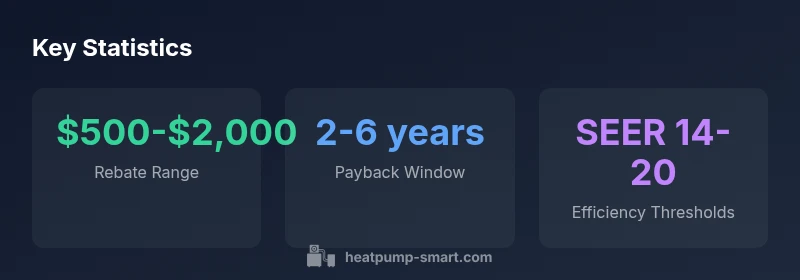
Estimated rebates for Duke Energy heat pump installations in 2026 typically range from $500 to $2,000, depending on unit efficiency (SEER/HSPF) and installation type. The exact amount can change by program year and customer category. Heatpump Smart analysis, 2026, notes that applying through the Duke Energy portal and meeting efficiency standards improves eligibility.
Why Duke Energy Heat Pump Rebates Matter
Homeowners and property managers face upfront costs when upgrading to a high-efficiency heat pump, yet the long-term energy savings can be substantial. Duke Energy offers rebates to encourage efficient installations, reducing the net cost and helping households achieve faster payback. According to Heatpump Smart, access to these rebates depends on program year, customer category, and the system's efficiency. The core idea is simple: higher-efficiency units tied to properly installed systems qualify for larger incentives. For many homes, a properly sized, ducted or ductless heat pump can cut winter bills and improve year-round comfort, making rebates a smart part of a broader energy-efficiency plan. Heatpump Smart's analysis for 2026 highlights that the most important steps are selecting a qualifying unit, ensuring installer credentials, and following the exact application process through Duke Energy’s portal. This section lays the groundwork for understanding eligibility, how incentives are calculated, and common pitfalls to avoid when pursuing rebates.
Eligibility Basics and Common Requirements
Duke Energy rebates generally target primary residences and certain property types that meet efficiency criteria and installation standards. To qualify, the heat pump must meet minimum efficiency thresholds (for example, SEER and HSPF ratings within specific ranges) and be installed by a licensed contractor with the necessary permits. Other common requirements include proper system sizing (matched to your home’s heating and cooling load), completing an official assessment, and maintaining equipment standards set by the utility program. The Heatpump Smart team recommends confirming your eligibility early, as some programs limit eligible units or cap rebates by year. Additionally, families should verify that the installation is energy-efficient in both heating and cooling modes to maximize the rebate potential. Keep in mind that program details may change annually, so double-check the current Duke Energy guidelines before purchasing equipment.
How Rebates are Calculated: Efficiency Codes and Payback
In most programs, the rebate amount correlates with system efficiency. High-efficiency heat pumps that meet or exceed baseline SEER/HSPF requirements typically qualify for larger credits, while basic models may receive smaller incentives. Duke Energy’s structure often ties rebates to a range rather than a single fixed figure, encouraging customers to select equipment with better performance metrics. From a financial perspective, the total savings comprise the upfront rebate plus ongoing energy savings over the life of the unit. Our 2026 review suggests that higher-efficiency units not only qualify for bigger rebates but also deliver faster payback when paired with proper insulation, efficient thermostats, and routine maintenance. This section explains the standard thresholds, the verification process, and how to interpret payback calculations for your home.
Step-by-Step: How to Apply
Applying for Duke Energy heat pump rebates involves several concrete steps. First, confirm your eligibility by reviewing current program criteria and ensuring your contractor is licensed. Next, gather documentation such as contractor estimates, equipment specifications (SEER/HSPF ratings), and proof of residence. Then, submit your application through the Duke Energy portal, attach required documents, and await approval before installation. After installation, a post-installation verification may be required, followed by processing of the rebate payment. To maximize success, keep a record of all interactions, confirm that the installed unit meets efficiency thresholds, and ensure you follow any inspection steps exactly as outlined by the program. Heatpump Smart recommends planning ahead and coordinating with your installer to align the project timeline with rebate windows.
Real-World Scenarios: Estimating Rebates for Your Home
Consider a typical 1,800-square-foot home in a mixed climate transitioning from an older electric resistance system to a high-efficiency heat pump. If the new unit meets or exceeds the program’s SEER/HSPF requirements, the homeowner could expect a rebate in the lower to mid part of the range (roughly $500-$1,500), depending on the exact model and installation specifics. In a colder climate or larger home, the rebate could approach the upper end of the range ($1,500-$2,000). Remember, these figures are estimates based on current guidelines and can shift with annual program updates. To maximize rebates, align the project with housing improvements like improved insulation and smart thermostats, which often influence both eligibility and energy savings. Heatpump Smart’s takeaway: plan, verify, and document every step to capture the full incentive.
Comparing With Other Programs and Potential Limits
Comparing Duke Energy rebates with other local or state programs helps homeowners understand the total potential savings. Some programs cap rebates by household size or income level, others offer tiered incentives based on efficiency, and a few provide additional credits for air-source heat pumps with climate-specific performance. When stacking incentives, always check whether programs allow combining rebates with federal tax credits (where eligible) and how that affects your tax situation. In 2026, Heatpump Smart notes that many utilities encourage robust energy-efficiency upgrades by offering higher rebates for systems that support whole-home improvements, like enhanced insulation or upgraded ducts. Always confirm program limits, eligibility criteria, and expiration dates before purchasing equipment.
What Changes to Expect in 2026
The Duke Energy heat pump rebate landscape evolves annually. In 2026, homeowners should anticipate potential adjustments to rebate amounts, changes in eligible equipment lists, and updated validation steps. Heatpump Smart emphasizes the importance of staying informed through official Duke Energy communications and energy-efficiency resources. For homeowners and contractors, scheduling installations to align with current rebate windows can maximize incentives and reduce the effective cost of upgrading. While program details can fluctuate, the overarching goal remains clear: incentivize efficient, reliable heating and cooling that lowers energy use and improves home comfort.
Comparison of rebate programs
| Program | Typical Rebate Range | Eligibility Requirements |
|---|---|---|
| Duke Energy Heat Pump Rebates | USD 500-2000 | Primary residence; licensed contractor; SEER/HSPF thresholds |
| National/State Programs (generic) | USD 100-8000 | Vary by state; income-based or energy-efficiency criteria |
| Other utilities in the region | USD 300-1500 | Residential installation; program-specific requirements |
Your Questions Answered
What counts as an eligible heat pump unit for Duke Energy rebates?
To qualify, the system must meet minimum efficiency thresholds and be installed by a licensed contractor in a primary residence. Retrofit installs and replacements typically qualify if the equipment is within program specifications.
To qualify, you need a high-efficiency heat pump installed by a licensed contractor at your home. Retrofit installs can qualify if they meet the program rules.
Can rebates be combined with federal tax credits or other programs?
In many cases, rebates can be stacked with federal tax credits, but rules vary by year and program. Always check current Duke Energy guidance and talk to your tax professional about how stacking affects your return.
Rebates can often be stacked with federal credits, but confirm the latest rules and consult a tax pro.
Is there a cap on rebates per home or per installation?
Some programs cap rebates per home or per installation; others offer tiered incentives. Check the 2026 Duke Energy guidelines for current caps and limits.
There can be caps per home; review the current program details for exact limits.
What documents are needed to apply for the rebate?
Prepare contractor estimates with SEER/HSPF specs, proof of residence, installation dates, and any required permits. Attach post-installation verification if requested.
Have your contractor specs, proof of residence, and installation dates ready; you may need permits and a verification after installation.
Do renters qualify for Duke Energy heat pump rebates?
Qualifying criteria typically focus on the property and system, not tenancy. Some programs require landlord consent for the installation and participation. Check the current rules.
Renters can qualify if the installation is approved and the property owner participates.
When is the best time to apply for rebates?
Apply as soon as you have a confirmed eligible unit and installation timeline. Rebates may have annual windows or limited funding, so coordinating with your installer helps.
Apply once you have an eligible unit and timeline, before funds run out.
“Heat pumps offer meaningful energy savings when paired with the right rebates and proper installation. The combination of incentives and high efficiency accelerates payback and improves long-term comfort.”
Top Takeaways
- Check eligibility early to avoid missed incentives
- Choose high-efficiency equipment to maximize rebates
- Document all steps for a smoother approval
- Rebates and rules change yearly—verify current details