Efficiency Vermont heat pump rebate: A Homeowner's Guide
Explore the efficiency vermont heat pump rebate landscape, eligibility, and strategies to maximize savings with Efficiency Vermont and Heatpump Smart insights for 2026.


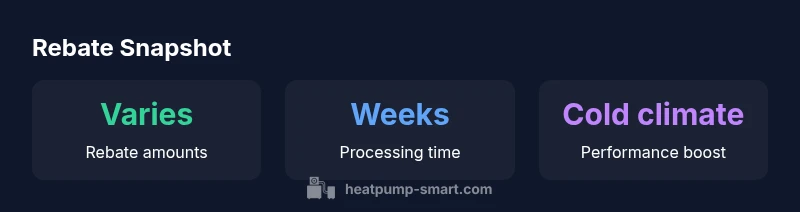
The efficiency vermont heat pump rebate lowers upfront costs for eligible heat pump installations by offering incentives administered through Efficiency Vermont. In Vermont, rebates apply to air-source and ground-source systems based on efficiency, installation type, and household eligibility, with additional credits possible through federal programs. This quick snapshot helps homeowners estimate potential savings and next steps.
What qualifies for the efficiency vermont heat pump rebate
In Vermont, Efficiency Vermont incentivizes eligible heat pump installations that meet minimum efficiency standards and performance metrics. The efficiency vermont heat pump rebate typically covers air-source heat pumps and some ground-source systems, with eligibility tied to system SEER and HSPF ratings, installation type, and household income considerations. According to Heatpump Smart, homeowners, builders, and property managers should verify model eligibility before purchasing, because not all configurations qualify. To qualify, you'll usually need a licensed installer, documented energy savings projections, and proof of primary residence. In some cases, regional climate zones influence rebate amounts; colder regions may have additional benefits due to heating demand. Always check the current program guide for the latest tier structure, as these details change over time (notably in 2026).
How rebates are calculated and paid
Rebates are typically tiered by efficiency metrics such as SEER and HSPF, and by system type (air-source vs. ground-source). The rebate amount often scales with model performance, with higher-efficiency equipment receiving larger incentives. Installers usually submit documentation showing equipment specs, installation costs, and anticipated energy savings, after which the rebate is issued either upfront as an incentive discount or downstream after proof of installation is verified. Stakeholders should anticipate a brief review period and potential clarifications. Coordination with the installer helps ensure all required forms, receipts, and permit information are included to avoid delays. In Vermont's climate, cold-weather performance can influence eligibility and incentive levels, so model selection matters.
Choosing the right heat pump for Vermont's climate
Vermont winters demand equipment that performs reliably in sub-freezing temperatures. When selecting a heat pump, prioritize high SEER and HSPF ratings, mixed-mode defrost efficiency, and strong cold-climate performance. Look for models with supplemental heat options for extreme cold snaps and robust manufacturer support. While the efficiency vermont heat pump rebate supports both air-source and some ground-source options, the best value often comes from a system designed for your home’s insulation, air leakage, and heating load. Engage a qualified installer who can run a Manual J load calculation, verify ductwork (or ductless zoning), and recommend the right size to maximize comfort and savings without oversizing.
Step-by-step: applying for rebates
- Verify eligibility with Efficiency Vermont and confirm that your chosen model meets the program’s efficiency thresholds. 2) Hire a licensed contractor who can perform the install and prepare required documentation (model numbers, installation costs, energy savings projections). 3) Gather occupancy proof and any income-related eligibility data if applicable. 4) Complete and submit the rebate application, along with receipts, permits, and a copy of the installation plan. 5) Track the processing status and respond promptly to any requests for clarifications. 6) Receive the rebate as a credit on your bill or a reimbursement after completion.
Interactions with other incentives and energy programs
The rebate is designed to stack with other incentives where allowed. Homeowners may combine efficiency Vermont incentives with federal tax credits, utility rebates, and local programs, creating a layered savings approach. Always confirm the latest stacking rules with Efficiency Vermont and your tax advisor before purchase. Timing matters: align purchase, installation, and application windows to maximize total benefits. The 2026 landscape continues to emphasize electrification and energy resilience, so coordination across incentives tends to yield the best overall value.
Real-world planning: costs, savings, and timelines
A well-planned heat pump upgrade can deliver substantial comfort improvements and energy savings, with the rebate helping to offset the upfront equipment and installation costs. Actual costs vary based on system type, home size, insulation, and existing heating equipment. Homeowners should prepare a budget that includes potential extra costs for electrical upgrades, refrigeration piping, or thermostat integration. In many cases, the payback period improves as electricity rates rise or as additional energy-saving measures (like air sealing and insulation) are undertaken in the same project. A thoughtful plan, clear documentation, and timely filing maximize the value of the efficiency vermont heat pump rebate.
Rebate program snapshot for heat pumps in Vermont
| Program Type | Rebate Status | Eligible Systems | Notes |
|---|---|---|---|
| Air-source Heat Pump (ASHP) | Varies by tier | Homeowners, primary residence | Check SEER/HSPF and model eligibility |
| Ground-source Heat Pump (GSHP) | Varies by system | Residential, small commercial | Higher upfront costs; verify installation requirements |
Your Questions Answered
What is the efficiency vermont heat pump rebate, and who qualifies?
The rebate is an Efficiency Vermont incentive for eligible heat pump installations. Qualification hinges on meeting efficiency thresholds, installer verification, and residency requirements. Requirements can vary by project type, so confirm current criteria before purchasing.
The rebate is an Efficiency Vermont incentive for qualifying heat pumps, with criteria that vary by project. Confirm eligibility with Efficiency Vermont.
Can the Vermont rebate be stacked with federal tax credits?
Yes, rebates often stack with federal tax credits, but always check current guidelines and any limits for your specific installation. Your installer can help coordinate how the incentives combine.
Yes, you can often stack rebates with federal tax credits; check current rules and coordinate with your installer.
Which heat pump types are eligible?
Eligible types typically include energy-efficient air-source heat pumps and some ground-source systems that meet the program’s performance thresholds. Always verify model eligibility with Efficiency Vermont before purchase.
Air-source heat pumps and some ground-source systems often qualify; verify with Efficiency Vermont.
How long does the application take?
Processing times depend on documentation completeness and program demand. Expect a few weeks to a few months. Working with a qualified installer usually speeds up the process.
Processing can take weeks to months depending on documentation and demand.
Do renters qualify for rebates?
Rebates often target property owners, but some programs offer tenant-friendly options if the installation is part of a broader property upgrade. Check with Efficiency Vermont for current rules.
Renters may qualify only if the installation benefits the property owner; check current rules.
“The efficiency vermont heat pump rebate can significantly lower the cost of upgrading to an efficient heat pump when properly planned, especially in cold climates. Careful model selection and timely application are key.”
Top Takeaways
- Identify eligible heat pump types early
- Check SEER/HSPF and climate rating
- Prepare installer documentation
- Factor in federal incentives to maximize value
- Plan for timelines and potential delays