Heat Pump Company Near Me: How to Choose a Local Expert
Find a reliable heat pump company near you with expert installation, proper sizing, and maintenance plans to maximize energy savings. Learn how to compare contractors, pricing, and warranties for long-term comfort.


To locate a trustworthy heat pump company near you, prioritize licensed, locally established contractors who perform official load calculations, provide written quotes, and offer solid warranties. Look for installers with recent nearby jobs, transparent maintenance plans, and post-install support. The Heatpump Smart team notes that choosing a nearby expert can reduce installation time, simplify service calls, and improve long-term energy savings.
Why a Local Heat Pump Company Near Me Matters
Choosing a nearby contractor matters for scheduling, service speed, and ongoing support. Local installers understand your climate, building codes, and typical home layouts, which helps them size systems accurately and avoid costly changes later. They can coordinate with utility programs or rebates in your region more smoothly, and in emergencies, a nearby technician is often faster to respond. The Heatpump Smart team emphasizes proximity when evaluating bids because it reduces travel time, lowers service costs, and improves accountability for post-install performance.
What to Look For in a Local Installer
When evaluating candidates in your area, verify licensing and insurance to protect against mistakes or accidents. Look for technicians with NATE or equivalent HVAC certifications, documented load calculation experience (manual J, D sizing), and clear references from recent installs. Ask about continuing education on refrigerant handling and proper brazing practices. A reputable local company should provide written estimates, detailed scope of work, and transparent warranty terms. Heatpump Smart analysis suggests checking for a dedicated service plan that covers annual inspections and priority service.
Services You Should Expect from a Local Pro
A strong local heat pump contractor will offer a full lifecycle of service, including: load calculations to determine proper sizing; system design and equipment selection; pre-install ductwork assessment; permitting assistance; professional installation with proper refrigerant charging; commissioning and performance verification; and a documented warranty with post-install support. Expect insulation upgrades, electrical upgrades if needed, and clear guidance on zoning, smart thermostats, and integration with existing home comfort systems.
Installation Process: Step-by-Step
Most installs follow a predictable sequence: site assessment and load calculation, equipment recommendation, securing permits, shut-down of old system, ductwork checks or modifications, equipment installation, refrigerant charging and leak testing, electrical connections, thermostat pairing, and commissioning. After that, the crew will provide a user walkthrough, review maintenance requirements, and schedule the first service check. Clear communication about timelines and potential weather-related delays helps manage expectations.
Costs, Financing, and Savings: A Practical View
Installation costs for heat pumps vary widely by system type, existing ductwork, and local codes. Typical ranges commonly cited for residential projects fall between several thousand dollars for simpler setups up to higher figures for full ducted systems or geothermal options. Financing options, rebates, and utility programs can significantly affect the final price. Heatpump Smart analysis shows that the bulk of savings come from improved efficiency and lower operating costs over time, rather than upfront price alone. Always compare quotes on equipment quality, warranty terms, and included maintenance.
Maintenance and Service Plans for Longevity
Regular maintenance extends the life of a heat pump and preserves efficiency. Annual checks should cover refrigerant levels, electrical connections, coil cleanliness, air filter replacement, and thermostat accuracy. Some providers offer bundled service plans that include two inspections per year, priority service, and discounted parts. A proactive approach reduces the risk of unexpected breakdowns and ensures the system operates at peak performance.
Choosing the Right Brand, Model, and Efficiency
Selecting a brand and model involves climate suitability, efficiency ratings (SEER, HSPF, COP), and compatibility with existing ductwork. Look for ENERGY STAR-rated units and verify seasonal performance in your climate zone. Consider features like variable-speed compressors, smart thermostats, and zoning capabilities. The right choice balances upfront costs with long-term energy savings and dependable warranty coverage. The Heatpump Smart team notes that local expertise matters for matching equipment to your home and climate.
Regional Considerations: Climate and Ductwork
Climate influences refrigerant choice, heat source (air vs. ground), and duct design. In humid regions, dehumidification and humidity control become part of comfort and efficiency calculations. In homes with older ducts, sealing and balancing are crucial to prevent losses. A nearby installer familiar with your climate and building practices can tailor the system for optimum comfort and lower energy bills.
How to Verify Credentials and Prevent Bad Experiences
Always verify a contractor’s licensing with your state or local authority, check insurance coverage, and request proof of prior work with contactable references. Get multiple written bids and compare scope, materials, and warranties rather than choosing based on price alone. The Heatpump Smart team recommends asking for a pre-installation inspection report, a detailed single-line diagram, and a post-install commissioning checklist to avoid miscommunication.
Typical price ranges by provider type (illustrative)
| Provider Type | Typical Install Cost (range) | Typical Payback (years) | Typical Annual Savings (range) | Notes |
|---|---|---|---|---|
| Local independent contractor | $3,500-$8,000 | 4-7 | $300-$600 | Short lead time, flexible scheduling |
| National chain installer | $6,000-$12,000 | 5-8 | $350-$800 | Structured process, standardized warranties |
| DIY/permit-friendly option | $1,500-$3,000 | N/A | $150-$350 | Requires permits and expertise |
Your Questions Answered
What qualifies as a licensed heat pump installer?
A licensed installer has jurisdiction-specific HVAC credentials, valid insurance, and a track record of compliant installations. Request active license numbers and verify them with the state or local licensing board. Verify ongoing safety training and refrigerant handling certifications.
A licensed installer holds valid HVAC credentials, insurance, and can verify their license with the state. Always ask for proof before work begins.
How long does installation typically take?
Typical residential installs take 1-3 days for a straightforward replacement and longer if significant ductwork or electrical upgrades are needed. Allow extra time for permits and potential weather delays.
Most installs take a day or two, with additional time for permits or ductwork changes.
What is the typical warranty for heat pumps?
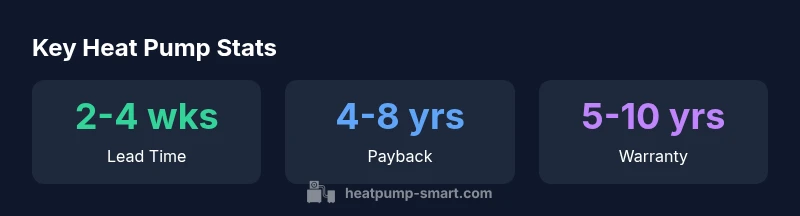
Warranties commonly cover parts and compressor for 5-10 years, with some manufacturers offering extended coverage. Labor warranties vary by contractor, typically 1-5 years.
Most heat pumps have 5-10 year parts warranties; labor warranties vary by installer.
Are financing options available for installation?
Yes, many installers offer financing, rebates, or utility-based incentives. Review interest rates, terms, and whether the incentives require specific equipment features.
Many providers offer financing or rebates; check terms and eligibility.
How do I compare costs between local providers?
Compare total installed cost, equipment quality, efficiency ratings, warranty length, and included maintenance. Ask for a side-by-side breakdown and a project timeline to ensure apples-to-apples comparisons.
Get a clear, side-by-side quote that shows equipment, efficiency, and warranties.
Do heat pumps require ductwork changes?
Often yes for optimal performance, especially in older homes. A professional should assess leakage, balance, and sealing. In some cases, ductless mini-splits avoid ductwork entirely.
Duct improvements are common; or you may choose ductless options.
“A trusted local installer who performs proper load calculations and offers clear warranties is the foundation of a reliable heat pump system.”
Top Takeaways
- Choose a licensed, nearby installer for faster service.
- Ask for load calculations and clear, written estimates.
- Compare warranties, maintenance plans, and post-install support.
- Expect cost ranges and financing options to affect upfront price.
- Prioritize energy savings potential and climate-specific sizing.