Heat Pump Installation Near Me: A Practical Guide
Learn how to plan, size, and install a heat pump near you with a licensed pro. This guide covers permits, ductwork, and energy savings tips for homeowners, builders, and property managers.


This guide helps you complete a heat pump installation near me by choosing the right system, verifying zoning and electrical readiness, and hiring a qualified contractor. You’ll need a clear site assessment, a feasible budget range, and access to permits where required. We cover planning, installation steps, and post-install checks.
Why Location and Climate Matter for Heat Pump Installation Near Me
Choosing a heat pump is not just about picking a unit with the right capacity. Location, climate, and local regulations influence equipment type, installation methods, and long-term performance. When you search for heat pump installation near me, you’re balancing availability, contractor expertise, and timing with seasonal demand. According to Heatpump Smart, working with a nearby, licensed installer improves communication, reduces travel time for service checks, and helps you coordinate permits and inspections. In this section, we outline how proximity affects system selection, scheduling, and overall energy savings. We’ll cover what to ask about location-specific considerations, such as insulation levels, outdoor space for the condenser, and access to electrical panels. By the end, you’ll have a clear sense of how distance to your installer can influence cost, timeline, and comfort outcomes.
Assessing Needs and System Options
Before selecting equipment, map out your goals for comfort, efficiency, and year-round performance. Air-source heat pumps are common for many homes, while ductless mini-splits can suit additions or retrofits without extensive ductwork. Heatpump Smart recommends evaluating climate performance, SEER/HSPF ratings, and compatibility with your existing electrical panel. Consider how often you use auxiliary heat, whether you need cooling in summer, and how the system will integrate with smart thermostats. This section helps you align your priorities with practical options and sets the stage for accurate sizing and budget planning.
Sizing and Load Calculations
Accurate sizing prevents short cycling and wasted energy. A proper load calculation (often Manual J) accounts for insulation, window quality, occupancy, and local climate. Your installer should perform on-site measurements and share the calculation results, highlighting why a slightly larger or smaller unit is recommended. Heatpump Smart notes that oversizing or undersizing can negate energy savings and comfort. This section explains the math concepts in plain language and what to request from the contractor.
Finding a Qualified Installer Near You
Your nearby installer should be licensed, insured, and experienced with heat pumps in your climate. Ask for references, recent projects, and a written proposal detailing equipment, warranty terms, and timelines. Check local ratings, confirm the installer will handle permits, and verify coordination with your utility provider if incentives are available. Proximity matters for scheduling follow-ups and emergency service.
Permits, Codes, and Electrical Readiness
Most jurisdictions require permits for heat pump installation, plus inspections after completion. Ensure the installer handles permit applications and electrical work to code. Prepare to discuss electrical service capacity, grounding, and dedicated circuits for the outdoor condenser. This section outlines common permit steps and how to avoid delays from code compliance issues.
Site Preparation and Installation Planning
Clear the installation area by removing obstacles near the outdoor unit and ensuring a solid pad or mounting surface. Indoor unit placement should consider airflow, noise, and access for maintenance. Your plan should cover duct connections, refrigerant lines, drainage, and vibration isolation. A thoughtful layout reduces future service calls and optimizes performance.
Ductwork, Indoor/Outdoor Unit Placement, and Refrigerant Considerations
Duct integrity matters for efficiency and comfort. If you already have ducts, have them inspected for leaks and insulation. Outdoor unit placement should consider shade, airflow, and noise reduction, while indoor unit placement affects airflow and convenience. Refrigerant handling requires licensed technicians and leak detection practices to protect efficiency and safety.
Startup, Testing, Warranty, and Maintenance Planning
After installation, the system should be charged correctly, powered up, and tested for proper operation in heating and cooling modes. Verify thermostat integration and sensors, and document warranty details with the installer. Schedule regular maintenance visits and keep a maintenance log for warranties and performance tracking.
Cost Considerations and Financing Options
Costs for heat pump installation vary by home size, climate, and equipment choice. Work with your installer to break down the price into equipment, labor, permits, and any required modifications to electrical or ductwork. Explore financing plans, utility rebates, and energy-efficiency incentives that can reduce upfront costs and improve long-term savings.
Real-World Benefits: Comfort, Efficiency, and Resale Value
A properly installed heat pump can provide consistent comfort with lower energy bills and reduced greenhouse gas emissions when compared to older systems. Investing in a high-efficiency unit and routine maintenance can also enhance home resale value. Use this closing section to recap practical steps and the long-term benefits of choosing the right system and installer.
Tools & Materials
- Electrical multimeter(Essential for verifying voltage and continuity in control wiring.)
- Non-contact voltage tester(Quick, safe check for live wires before disconnecting components.)
- Digital thermometer or infrared camera(For checking heat exchange efficiency and identifying hotspots.)
- Tape measure(To verify clearances and pad dimensions for outdoor unit.)
- Level and chalk line(Ensure outdoor pad is level and properly aligned.)
- Screwdriver set (Phillips and flathead)(General purpose fasteners and terminal access.)
- Drill/driver with appropriate bits(Mounting hardware and conduit fittings.)
- Manometer or refrigerant gauge set(Used by technicians to verify refrigerant pressures.)
- Cordless saw or reciprocating saw(Occasionally needed for clearances or ductwork adjustments.)
- Personal protective equipment(Gloves, eye protection, and hearing protection as needed.)
Steps
Estimated time: 4-8 hours
- 1
Schedule a site assessment
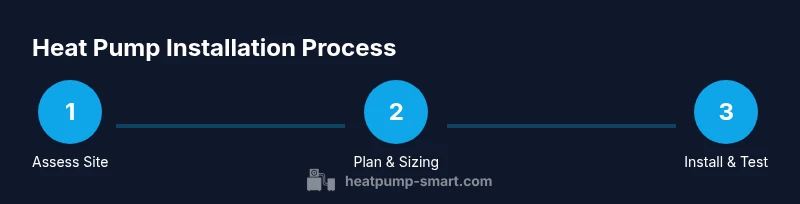
Arrange a comprehensive site visit with a licensed installer to assess your home, define system options, and confirm local permit requirements. This initial step builds the foundation for accurate sizing and a realistic budget.
Tip: Ask for a written assessment summary and a clear proposed plan before any work starts. - 2
Review system types and sizes
Discuss air-source vs ducted or ductless configurations and confirm proper unit sizing based on load calculations. Ensure the chosen model aligns with climate needs, energy goals, and existing infrastructure.
Tip: Request a side-by-side comparison of SEER/HSPF ratings and climate suitability. - 3
Check permits and utility readiness
Verify who handles permits and whether your utility offers rebates or incentives. Confirm electrical service adequacy and the need for any upgrades.
Tip: Get a written permit plan and a timeline that includes inspections. - 4
Prepare the installation site
Clear the outdoor area, ensure a solid base for the condenser, and arrange indoor space for the air handler or ductwork. Prepare to protect surfaces during installation.
Tip: Mark access paths to prevent accidental damage to walls or landscaping. - 5
Mount outdoor unit and route lines
Install the outdoor condenser on a level pad, secure restraints, and run refrigerant lines and electrical conduits to the indoor unit. Ensure proper clearances for airflow and future maintenance.
Tip: Avoid long, tight bends in refrigerant lines to prevent flow restrictions. - 6
Install electrical connections and controls
Connect power, thermostat, and control wiring following code requirements. Ensure grounding and proper wire sizing for safe startup.
Tip: Turn off main power before making connections and verify with a voltage tester. - 7
Charge refrigerant and verify airflow
The licensed technician will charge refrigerant to the correct level and test airflow to ensure balanced heating and cooling performance.
Tip: Only trained technicians should handle refrigerant; improper charging reduces efficiency. - 8
Test startup and system commissioning
Run the system through multiple cycles to confirm heating and cooling performance, indoor comfort distribution, and noise levels. Record initial performance data for reference.
Tip: Ask for a commissioning checklist and live demonstration of thermostat controls. - 9
Plan maintenance and warranty follow-up
Schedule regular maintenance visits and keep warranty documents accessible. Establish a simple plan for filter changes, coil cleaning, and annual inspections.
Tip: Set calendar reminders to prevent gaps in service and preserve efficiency.
Your Questions Answered
Do I need permits for heat pump installation near me?
Yes, most jurisdictions require permits for installation and a final inspection. Your installer should manage the permit process and ensure code compliance.
Most places require permits for heat pump installs; your installer will typically handle the paperwork and inspections.
How long does installation take?
A typical install can range from half a day to a full day depending on home layout, ductwork, and electrical work required.
Most installs take half a day to a full day, depending on your home setup.
What should I look for in installer quotes?
Look for license and insurance, equipment specifications, warranty coverage, included permits, and a clear project timeline.
Make sure quotes confirm license, insurance, and a clear timeline with warranty terms.
Can I install a heat pump myself?
No. Installation involves electrical work and refrigerant handling that require a licensed HVAC technician.
This isn’t a DIY job; you’ll need a licensed professional.
Are rebates or financing options available?
Yes, many programs offer rebates or financing. Your installer can help you identify eligible incentives and application steps.
There are usually rebates or financing options available through local programs; your installer can help you apply.
Watch Video
Top Takeaways
- Define needs before selecting equipment
- Ensure proper sizing with a load calculation
- Hire a licensed installer and handle permits
- Plan for electrical, ductwork, and refrigerant requirements
- Schedule ongoing maintenance for long-term efficiency