Heat Pump Upgrade: A Step-by-Step Guide to Efficiency
Learn how to plan and execute a heat pump upgrade for improved comfort, efficiency, and long-term savings. This guide covers readiness, sizing, installation, and maintenance with expert tips from Heatpump Smart.


This guide helps homeowners complete a heat pump upgrade, delivering improved comfort and lower operating costs. You’ll learn how to assess suitability, estimate energy savings, choose the right system, plan a safe installation, and optimize performance after startup. According to Heatpump Smart, a well-planned upgrade can boost home efficiency without overhauling existing ductwork. Ready to upgrade? Follow the steps below.
Why Upgrading to a Heat Pump Makes Sense
Upgrading to a heat pump is a strategic move for homeowners who want consistent, year-round comfort and lower energy bills. A modern heat pump can deliver efficient heating in winter and cooling in summer, using electricity more effectively than many older systems that rely on fossil fuels. Beyond comfort, a well-executed upgrade can reduce peak demand on your electrical system and lower greenhouse gas emissions when compared with traditional furnaces or baseboard heaters. Heatpump Smart highlights that the benefits compound over time as you rely less on auxiliary heat sources during cold snaps or heat waves. In climates with moderate heating and cooling needs, an upgraded heat pump often provides the most balanced performance, resilience, and long-term savings. Considerations include your current electrical service, ductwork condition, insulation, and the potential for rebates or tax credits in your region. A thoughtful upgrade aligns with home energy goals, keeps you comfortable during temperature extremes, and protects your investment by improving overall home efficiency.
In addition to climate-driven comfort, an upgrade can support smart home integration. Many heat pumps pair with programmable thermostats and energy-management systems to optimize run times and boost efficiency automatically. If you currently heat with a fossil-fuel system, a heat pump upgrade can offer a smoother transition with zoning options and quieter operation. The Heatpump Smart analysis shows that homeowners who plan ahead—prioritizing system type, placement, and compatibility with existing ducts or ductless options—often realize better performance and fewer surprises at installation. If you’re weighing a replacement, a well-documented plan will help you compare bids and avoid overpaying for features you don’t need.
A practical upgrade plan starts with goals: comfort levels, energy use, and upfront costs. From there, you can map out a path that fits your home’s layout, climate, and budget. This article will walk you through readiness checks, system selection, installation planning, and long-term maintenance to ensure your heat pump upgrade delivers reliable comfort for years to come.
description
Tools & Materials
- Electrical multimeter(Used to verify circuit availability and monitor voltages during installation)
- Voltage tester(Quickly confirms live wires before work begins)
- Torque wrench and standard hand tools(Secure mounting and fasteners to manufacturer specs)
- Manometer or gauge set(Helpful for refrigerant pressure checks during commissioning)
- Level and measuring tape(Ensure proper unit placement and clear drainage paths)
- Duct sealing materials (mastic or foil tape)(Used to restore duct integrity if needed)
- Safety gear (gloves, eye protection)(Essential for personal protection during installation)
Steps
Estimated time: 1-5 days for planning and installation, depending on scope and permits
- 1
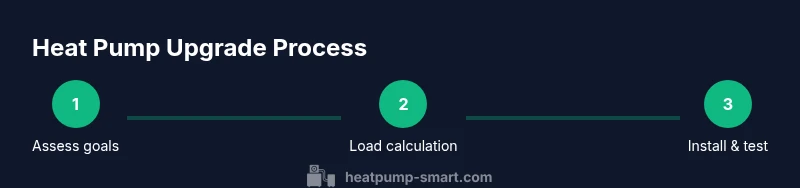
Assess goals and compatibility
Clarify comfort goals, potential energy savings, and any constraints (ductwork, space, noise). Verify that the electrical service can support a new heat pump and that the existing space can accommodate the outdoor unit’s footprint. Consider whether a ducted or ductless system will work best for your home layout.
Tip: Document current thermostat behavior and comfort complaints to guide system selection. - 2
Request a professional load calculation
Hire a licensed professional to perform a cooling/heating load calculation (often Manual J). This determines the appropriate size and type of heat pump for your home, avoiding oversizing or undersizing which can reduce efficiency and comfort.
Tip: Provide recent utility bills and square footage to improve calculation accuracy. - 3
Evaluate ductwork or choose a ductless path
Inspect ductwork for leaks, insulation, and suitability for a heat pump. If ducts are compromised, consider sealing or rerouting, or opt for a ductless mini-split approach to maximize efficiency in specific zones.
Tip: Get a professional assessment of duct leakage; sealing before installation yields better results. - 4
Select the heat pump model and features
Pick a model with appropriate SEER/HSPF ratings, noise levels, and compatibility with your thermostat and zoning. Decide on features such as variable-speed operation, heat-pump water heaters, or backup auxiliary heat.
Tip: Balance upfront cost with long-term energy savings; focus on efficiency and reliability over flashy extras. - 5
Plan electrical upgrades and permits
Ensure the electrical panel and wiring can handle the new load. Obtain any required permits and schedule inspections as needed by local codes and utility programs.
Tip: Coordinate timing with your utility rebate window to maximize incentives. - 6
Schedule installation with a licensed contractor
Choose a contractor who is experienced with heat pump upgrades, reviews references, and confirms warranty terms. Plan for system placement, refrigerant line routing, and outdoor unit clearances.
Tip: Ask for a written commissioning checklist and a post-install tune-up plan. - 7
Commission and test the system
The technician should verify refrigerant charge, airflow, thermostat control, and temperature deltas. Confirm that sequencing and outdoor unit defrost logic are functioning correctly.
Tip: Request a final walk-through to show you how to operate the system and troubleshoot common issues. - 8
Plan ongoing maintenance and monitoring
Set a maintenance schedule for filter changes, coil cleaning, and system checks. Establish how you’ll monitor running costs and performance to track savings over time.
Tip: Keep a simple log of maintenance dates and notable performance changes.
Your Questions Answered
What is a heat pump upgrade and when should I consider it?
A heat pump upgrade replaces an older system with a modern heat pump to improve efficiency, comfort, and climate resilience. Consider an upgrade when your current system is aging, costly to run, or unable to meet performance needs in extreme weather.
A heat pump upgrade modernizes your heating and cooling for better comfort and efficiency. Consider upgrading when your current system runs poorly or costs too much to operate.
How long does installation take?
Duration varies by home and system type, but most upgrades require a few days for planning, permitting, installation, and commissioning. Your contractor can provide a precise timeline based on scope and access.
Most upgrades take several days total, from planning to commissioning. Your installer will give a firm timeline.
Will a heat pump work in cold climates?
Modern air-source heat pumps perform well in many cold climates and can work with auxiliary heat for extreme conditions. In very cold regions, geothermal or a dual-fuel setup may offer superior resilience.
Yes, many heat pumps work well in cold weather, often with supplemental heat; in very cold areas, consider geothermal or hybrid options.
Do I need new ductwork for an upgrade?
Ductwork condition determines whether you should reuse existing ducts or upgrade. Leaky or undersized ducts can reduce efficiency; sealing or rerouting may be necessary for optimal performance.
Duct health matters. If ducts are leaky or undersized, upgrades or sealing are often needed for best results.
Are rebates or tax credits available for heat pump upgrades?
Programs vary by location and time. Check local utility incentives and national/state tax credits to reduce upfront costs, and verify eligibility with your contractor.
There are rebates and credits in many places; your installer can help you locate these programs.
How do I determine the right SEER/HSPF for my home?
The right SEER/HSPF depends on climate, current insulation, and expected usage. A professional load calculation helps identify the optimal pair for comfort and efficiency.
A load calculation guides the right efficiency ratings for your climate and usage.
Watch Video
Top Takeaways
- Plan with a professional load calculation to size correctly.
- Evaluate ductwork early to determine the best upgrade path.
- Choose an efficient heat pump with compatible controls.
- Leverage rebates and incentives to reduce total cost.
- Schedule a thorough commissioning and maintenance plan.