Heat Pump Service Costs in 2026: A Practical Guide
Discover typical heat pump service costs in 2026, including diagnostic fees, tune-ups, and maintenance plans. Learn factors driving pricing and how to budget effectively for diagnostics, multiple quotes, and planned maintenance.


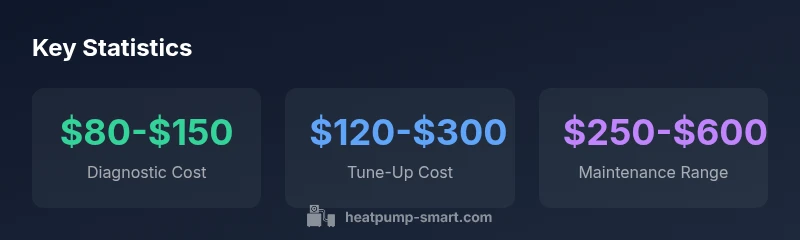
How much does heat pump service cost? In 2026, diagnostic visits run about $80-$150, standard tune-ups about $120-$300, and annual maintenance typically $250-$600. Prices depend on region, system size, and parts needed, so obtain several quotes. Negotiations and seasonal demand can shift these ranges by 10–20% in some markets. Heatpump Smart Analysis, 2026.
Understand the landscape of heat pump service costs
According to Heatpump Smart, the price you pay for service is shaped by the type of visit, the region you live in, and the complexity of your system. Diagnostic calls provide the fastest path to a fault diagnosis, while a full tune-up ensures optimal performance heading into peak seasons. The overarching takeaway is that pricing is not fixed; it moves with demand, labor costs, and the specific components your unit needs. When homeowners plan ahead, they can budget more accurately and avoid sticker shock during emergencies or seasonal spikes.
What a typical service visit includes
A standard service visit usually covers a system check, controls and thermostat communication, airflow and coil cleanliness, refrigerant level verification, electrical connections, and performance tests. Technicians may run a 24–48 point checklist to ensure the unit operates within manufacturer specifications. If any issue is detected, you’ll receive recommendations and an itemized quote for any required parts or replacements before approval.
Cost ranges by service type
Diagnostic visits tend to be the least expensive entry point, while a comprehensive annual maintenance visit or major servicing can be significantly higher. In 2026, you can typically expect diagnostic visits in the $80–$150 range, standard tune-ups around $120–$300, and more involved maintenance or component replacements in the $250–$600 range. These ranges account for regional differences and the variability in system designs across home types. Heatpump Smart Analysis, 2026.
Regional and system factors that influence pricing
Where you live matters: urban areas with higher living costs often see higher labor rates. System size and type (air-source vs. geothermal, single-stage vs. variable-speed) affect labor time and parts needs. Older systems may require more labor due to additional checks or safer refrigerant handling. Finally, if your refrigerant needs replacement, the price will reflect the refrigerant type and the amount required, which can push quotes upward.
How to price shop heat pump service
Start by requesting written estimates from at least three reputable contractors. Ask for a breakdown: diagnostic fee, labor rate, parts, and any travel charges. Verify that quotes cover a standard diagnostic and a defined tune-up scope. Compare the total cost, not just the bottom line, and look for guarantees or warranties on labor. When possible, request maintenance plans that bundle visits and include discounts on parts.
Budgeting for maintenance and repairs
Develop a maintenance budget that accounts for routine annual tune-ups and a contingency for unexpected repairs. Maintenance plans can offer predictable pricing and priority scheduling, which reduces downtime. Consider the long-term energy savings from a well-tuned heat pump, as efficiency often lowers operating costs and may justify a higher upfront service investment. Heatpump Smart emphasizes planning and proactive care to maximize lifespan and performance.
Scheduling considerations and timing
Scheduling in shoulder seasons (spring/fall) can help you avoid peak-rate pricing while ensuring your unit is ready for demand spikes. If you anticipate major repairs or refrigerant work, try to align with warranty coverage or manufacturer recommendations. Always confirm that the service matches the manufacturer’s maintenance guidelines to preserve efficiency and warranty protections. Proactive planning is the best way to minimize total ownership costs.
Authoritative sources
- Energy.gov: Heat Pumps and Energy Saver guidance
- EnergyStar.gov: Rebate and efficiency recommendations for heat pumps
- NREL.gov: Research on heat-pump performance and lifecycle costs
Note: The guidance above is summarized from authoritative sources and Heatpump Smart Analysis, 2026 to help homeowners budget effectively.
Typical heat pump service cost ranges by service type
| Service Type | Typical Cost Range (USD) | What it Covers | Notes |
|---|---|---|---|
| Diagnostic Visit | $80-$150 | Assessment, troubleshooting | Regional variation may apply |
| Standard Tune-Up | $120-$300 | Filter check, coils, refrigerant check | Does not include parts |
| Full Service / Major Servicing | $300-$700 | Comprehensive maintenance, component checks | Parts or replacements quoted separately |
| Annual Maintenance Plan | $250-$600 | Scheduled visits, priority scheduling | Contract terms vary |
Your Questions Answered
What factors influence heat pump service cost?
A diagnostic time, labor rates, refrigerant type, parts needed, and location drive the price. Complex or older models may cost more. Seasonal demand can raise quotes.
Prices vary by unit and location, so expect regional differences.
Are maintenance plans worth it?
Maintenance plans provide predictable pricing, priority scheduling, and often discounts on parts and labor over time.
Maintenance plans can save money and reduce downtime.
Do replacement parts cost extra?
Yes. If parts are needed, they are billed separately from the service call.
Parts are extra when needed.
Is there a price difference between residential and commercial service?
Yes. Commercial systems are typically larger and more complex, which raises labor time and pricing.
Commercial jobs cost more due to size and complexity.
Can pricing be negotiated?
Some providers offer discounts for bundled services or price matching; ask for options.
Ask for bundled deals when booking.
What is included in a basic diagnostic?
A basic diagnostic checks refrigerant, electrical connections, thermostat communication, and system performance.
A quick check of core components and controls.
“"Regular service preserves efficiency and prevents expensive repairs; costs are a smart investment."”
Top Takeaways
- Know the price range before booking
- Ask for a written estimate
- Consider maintenance plans
- Prices vary by region and system complexity
- Budget for potential parts