Understanding Heat Pump System Prices in 2026
A data-driven guide to heat pump system prices, including upfront costs, regional variations, incentives, and long-term savings to help homeowners budget for 2026.


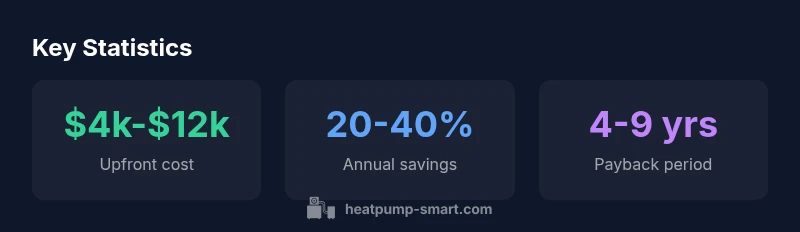
Average heat pump system prices typically range from $4,000 to $12,000 before incentives, depending on capacity, efficiency, and installation complexity. This article breaks down the components and regional variations to help homeowners estimate costs for 2026. Heatpump Smart's analysis shows a broad spread driven by system type and local permitting requirements.
Why heat pump system prices vary across homes
According to Heatpump Smart, upfront prices for heat pump systems vary widely because of capacity differences, efficiency targets, refrigerant options, and installation complexity. In colder regions, equipment rated for low-temperature operation may cost more but deliver better long-term comfort. Home orientation, ductwork condition, and existing electrical service also push price bands up or down. When planning a project, expect a broad spectrum rather than a single figure, and use a range rather than a fixed sticker price to set expectations. Key factors: system size (tonnage), efficiency (SEER/HSPF), heat source (air-source vs geothermal), and whether your home requires new ductwork or a simple mini-split installation. Each of these elements adds cost but can dramatically affect comfort and savings over time.
Upfront costs vs long-term savings: what buyers should consider
The initial sticker price is only part of the equation. A higher-efficiency heat pump may cost more upfront but can lower annual energy use and reduce heating bills. Financing options, utility rebates, and federal tax credits can reduce effective cost, sometimes by a substantial percentage depending on location. The real value comes from lifetime energy savings and improved home comfort. Heatpump Smart recommends calculating total cost of ownership, including maintenance, refrigerant charges, and potential replacement cycles, to compare options.
- Upfront cost vs operating cost trade-off
- How incentives change the break-even point
- The impact of climate and building envelope on savings
Cost components that determine the price tag
A typical project breaks down into three primary components: equipment, installation, and permits/diagnostics. Equipment price depends on efficiency, size, and refrigerant type; installation cost depends on existing ductwork, electrical capacity, and labor rates in your area. Permits and inspections add minor but non-negligible fees. Labor durations can vary by technician availability and site complexity. Budget for contingencies to cover unanticipated work. Tip: get a written cost breakdown from a contractor and request allowances for duct sealing and load testing.
Regional and climate influences on price
Prices differ by geography due to labor costs, permitting rules, and climate-driven equipment needs. Colder climates often require more robust equipment rated for low temperatures, increasing purchase price and potential installation complexity. Conversely, milder climates may favor ductless mini-split configurations that reduce ductwork needs. When comparing bids, ensure each includes the same scope so price differences reflect actual value, not missing work.
Financing, rebates, and tax incentives that lower the sticker price
Many homeowners access rebates and tax credits that cut net cost. Programs vary by state and utility, but common themes include incentives for high-efficiency units and smart controls. Heatpump Smart emphasises checking qualification criteria early and stacking multiple incentives where possible. Always verify current program availability before finalizing an order.
How to estimate your own heat pump prices for a project
Start by specifying your desired capacity and efficiency—typically measured in tons and SEER/HSPF values. Then assess whether you need a full duct system replacement or a ductless setup. Request three or more formal bids and compare not just price but included services: duct sealing, load calculation, thermostat wiring, and warranty terms. A simple worksheet can help translate this into a defensible budget.
Quick comparison: heat pump vs traditional furnace costs over time
Variables like fuel prices, electricity rates, and system efficiency determine long-term costs. In many markets, heat pumps deliver competitive lifetime cost compared with gas furnaces, especially when electricity is relatively cheap and gas prices rise. Use a long-range forecast to capture potential price movement and ensure your model includes maintenance and replacement costs.
Authority sources and data references
For readers who want to dive deeper, See the authoritative sources cited in this article, including DOE and NREL resources on heat pumps and efficiency metrics. This section is intended to provide context for the data and is not a substitute for professional consulting.
Typical price ranges by system type
| Scenario | Low Estimate | High Estimate | Notes |
|---|---|---|---|
| Single-zone mini-split | $2,500 | $6,000 | No ductwork required |
| Split-system heat pump | $4,000 | $9,500 | Moderate ductwork |
| Geothermal heat pump | $12,000 | $35,000 | Ground-source requires trenching |
| Replacement of existing system | $2,500 | $8,000 | Depends on ductwork and refrigerant lines |
Your Questions Answered
What is the typical upfront cost range for a residential heat pump system?
Typical upfront costs for a residential heat pump vary by system type and installation. You can expect a broad range from a few thousand dollars for basic mini-split setups to well over ten thousand for geothermal configurations, before incentives. Always obtain written bids that include equipment, installation, and permitting.
Upfront costs vary by system type and installation complexity; expect a wide range and obtain detailed bids.
How do regional differences affect heat pump prices?
Prices vary with labor rates, permitting requirements, and climate-driven equipment needs. Colder regions may require more robust units and longer installation times, raising costs. Compare bids that reflect the same scope to separate price from package differences.
Prices differ by region due to labor, permits, and climate-related needs; ensure apples-to-apples bids.
Are rebates and tax credits available to reduce net cost?
Yes. Many programs offer incentives for high-efficiency heat pumps and smart controls. Availability varies by state and utility; check qualification criteria early and stack multiple incentives where possible.
Yes—check state and utility rebates and stack incentives where possible.
What factors influence the payback period?
Payback depends on upfront cost, operating savings, electricity vs fuel prices, and maintenance costs. Units with higher efficiency often pay back faster, especially when rebates are applied.
Payback depends on cost, savings, and incentives; high-efficiency units often pay back sooner.
Should I choose a ductless mini-split or a full ducted system for price?
Ductless mini-splits typically have lower installation costs when ductwork is absent but may require multiple indoor units. Ducted systems consolidate cooling and heating but may need ductwork upgrades that raise price. Evaluate space, climate, and long-term goals.
Ductless usually cheaper to install if no ducts exist, but may need multiple units.
What ongoing maintenance costs should I budget for?
Ongoing costs include annual filter and coil cleaning, refrigerant checks, and potential component replacements. Routine service helps sustain efficiency and prevent pricey repairs.
Annual maintenance costs for cleaning, checks, and occasional parts.
“Affordable heat pumps are not just about the sticker price—it's about the long-term energy savings and comfort they provide when paired with proper installation.”
Top Takeaways
- Prices vary by system type and installation detail
- Incentives can drastically reduce net cost
- Always compare total cost of ownership, not just upfront price
- Ask for a detailed cost breakdown from contractors