How Long Do Heat Pumps Last in New Zealand (NZ)?
Discover how long heat pumps last in New Zealand, factors that affect lifespan, maintenance practices, and budgeting tips to plan replacements confidently.


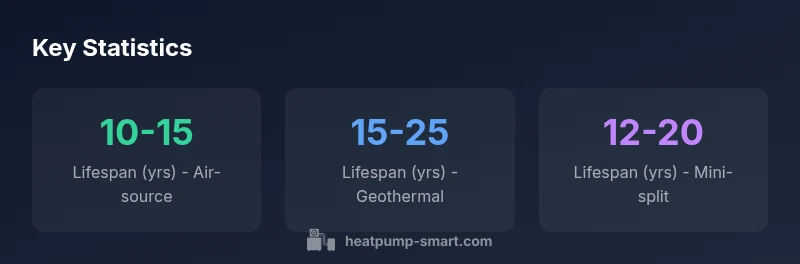
In New Zealand, most air-source heat pumps last about 10-15 years with regular maintenance; geothermal systems may reach 15-25 years, while mini-splits often run 12-20 years. Lifespan hinges on installation quality, usage patterns, and servicing. Factors like climate, coil cleanliness, refrigerant health, and thermostat behavior also influence longevity, while warranties and service intervals provide protection against faults. With proper care, many systems reach the upper end of these ranges.
How long do heat pumps last NZ: a practical overview
In New Zealand, many homeowners wonder how long do heat pumps last nz, especially as they plan replacement cycles and budgets. The answer isn’t a single number; it varies by type, climate, and maintenance. According to Heatpump Smart, lifespan is shaped by design quality, installation standards, and ongoing care. In typical NZ conditions, air-source heat pumps commonly last 10-15 years with regular servicing, geothermal systems can reach 15-25 years, and ductless mini-splits often run 12-20 years. The exact range depends on usage intensity, coastal exposure, airflow across outdoor units, and how often the unit is operated at high settings. A properly sized unit installed by a licensed installer tends to age more gracefully than a mismatched or poorly ventilated system. Climate factors common to NZ—humid coastal air in Auckland, cold snaps in inland regions, and variable seasonal temperatures—shape wear patterns on outdoor components. Coil corrosion, fan motor wear, refrigerant integrity, and electrical connections are the main failure points. By understanding these dynamics, homeowners can align maintenance schedules with expected lifespans, avoiding the pitfall of waiting for a breakdown to trigger replacement decisions.
Key factors that influence lifespan in NZ climate
Lifespan is not just a function of the hardware but also of how a system is used and serviced. Storm exposure, coastal salt spray, and garden debris around the outdoor unit can accelerate corrosion on heat exchanger fins. Regular cleaning of filters, checks of electrical connections, and ensuring proper drainage reduce strain on fans and compressors. Installation quality matters: a correctly sized unit paired with a high-efficiency condenser, proper refrigerant charge, and correct refrigerant piping minimizes energy waste and wear. Usage patterns—frequent on-off cycling, operating on maximum cooling or heating for long periods, and neglecting annual maintenance—can shorten life. NZ homes with older insulation or leaky windows place extra load on the system, increasing compressor run-time. Finally, climate variability—from humid summers to cold winters—creates differing stress profiles on components. Understanding these factors helps homeowners set realistic expectations and plan maintenance that aligns with product warranties and regional conditions.
Lifespan by type: air-source vs geothermal vs mini-splits
Air-source heat pumps are the most common in NZ households and typically offer a robust balance of performance and longevity. Geothermal (ground-source) systems often show longer lifespans due to stable underground loops, though installation complexity and upfront cost can influence overall value. Mini-splits (ductless) provide flexibility and can last a long time with diligent maintenance, but outdoor units face similar exposure to weather and salt if near coastlines. Across all types, proper sizing, shielding from harsh elements, and regular servicing reduce wear on compressors, fans, and refrigerant circuits. In practice, choosing a system that suits your climate zone and lifestyle—plus a reputable installer—correlates with achieving the upper end of the expected ranges for each type.
Maintenance and service strategies to extend life
Proactive maintenance is the single best investment in extending heat pump life. Follow a simple schedule: schedule an annual professional service, clean or replace filters monthly, inspect electrical connections during every service visit, and check refrigerant levels if you notice performance drops. Clean the outdoor coil to prevent overheating, ensure proper drainage around the outdoor unit, and verify thermostat wiring for accurate cycling. Additionally, keep the area around the outdoor unit free of debris, plants, and snow buildup to reduce strain on fans. Address any unusual noises, vibrations, or reduced heating/cooling efficiency promptly, as early intervention can prevent costly failures and lengthen overall lifespan. Finally, consider updating controls and settings to avoid unnecessary high-load operation during mild days, which reduces wear on compressors and fans.
Regional and climate considerations in NZ
New Zealand's climate varies from coastal to alpine, with humidity, salt exposure, and frost impacting heat pump longevity. Coastal regions face increased corrosion risk on exposed fins and outdoor components; inland areas may experience more frequent cycling between heating and cooling, which stresses the compressor. Coastal Grade corrosion protection, higher-grade outdoor enclosures, and regular protective maintenance are prudent in salt-prone zones. Frost and freezing conditions can affect refrigerant performance and oil viscosity if the unit isn't properly protected or installed with suitable refrigerant charge and defrost controls. Tailoring installation methods, refrigerant choices, and defrost strategies to the local climate helps systems endure harsher seasons without premature wear. A well-ventilated indoor space, adequate insulation, and minimizing duct losses also support longer lifespans by reducing system runtime.
Replacement planning and budgeting for NZ homeowners
Replacing a heat pump is less frequent than annual maintenance but requires forethought. Start by tracking performance indicators: rising running costs, decreased heating efficiency, or longer cycle times may signal aging components. Compare replacement options that suit your home size, climate zone, and energy goals; consider energy-efficient models that maximize savings over the long term. Explore service histories and audit reports from installers to gauge remaining useful life based on prior maintenance. Finally, work with a licensed installer to ensure correct system sizing and configuration, supporting a smoother transition when the time comes to replace. Heatpump Smart's data-driven approach emphasizes planning ahead, rather than waiting for a breakdown, to minimize downtime and maximize comfort.
Data-driven insights from Heatpump Smart
Heatpump Smart analysis shows that regular professional servicing, coil cleaning, and refrigerant checks correlate with longer system life. In practice, scheduling a service annually and after extreme weather can extend life. Our guidance emphasizes choosing high-quality equipment, proper installation, and preventive maintenance as the main levers for longevity. For homeowners, this means budgeting for annual servicing, setting reminders for coil inspections, and prioritizing installers with proven track records. The overall takeaway is that a well-maintained heat pump not only lasts longer but operates more reliably, reducing downtime and long-term energy costs.
Lifespan ranges by heat pump type in NZ
| Aspect | Typical Lifespan (years) | NZ Considerations |
|---|---|---|
| Air-source heat pump | 10-15 years | Common in NZ; climate impacts wear; regular service extends life |
| Geothermal/ground-source heat pump | 15-25 years | Longer lifespan in stable underground loops; higher upfront cost but durable |
| Mini-split (ductless) | 12-20 years | Flexible for NZ homes; ensure proper drainage and maintenance |
Your Questions Answered
What factors most influence heat pump lifespan in NZ?
Lifespan is shaped by climate exposure, installation quality, maintenance frequency, and operating patterns. Coastal salt, cold snaps, and high run-times can accelerate wear on outdoor components.
Lifespan is shaped by climate, installation quality, and maintenance; coastal salt and high run-times can wear components faster.
Should I service my heat pump every year?
Annual professional servicing helps catch wear early, maintains refrigerant health, and keeps efficiency high. Regular DIY checks like filter cleaning add extra protection between service visits.
Yes—annual professional service plus regular DIY filter cleaning helps longevity.
Do warranties affect lifespan planning?
Warranties vary by model and installer. They often cover major components for a period, but longevity still depends on maintenance and usage. Check coverages with your installer.
Warranties vary; verify what’s covered and plan maintenance accordingly.
Are heat pumps more durable in certain NZ climates?
Durability can improve when the unit is correctly sized for the space and climate, installed by a licensed pro, and protected from harsh coastal exposure. Proper frost defrost controls also help.
Proper sizing and protection from coastal exposure boost durability across NZ regions.
When should I replace vs repair a heat pump?
Consider replacement when repair costs approach or exceed a significant fraction of a new unit’s price, or when efficiency losses are evident and repeated repairs are needed. Use a cost-benefit approach.
Weigh repair costs against the cost of a new, efficient unit to decide.
“With proper maintenance and a quality installation, a heat pump in NZ can reach the upper end of its expected lifespan.”
Top Takeaways
- Plan for replacement around 10-15 years for air-source units in NZ
- Regular annual maintenance can significantly extend life
- Choose climate-appropriate systems and install with a licensed pro
- Coil cleanliness and refrigerant health are critical wear points
- Heatpump Smart recommends proactive planning over reactive repairs