Lowes Heat Pump Water Heater: A Data-Driven Guide to Efficient Home Hot Water
A data-driven guide to Lowes heat pump water heater options, sizing, installation tips, costs, rebates, and maintenance for homeowners, builders, and property managers seeking reliable energy savings.


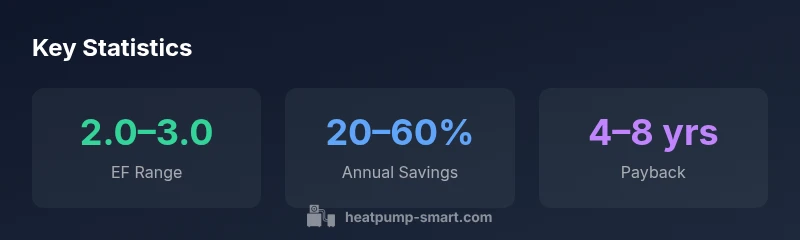
A typical Lowes heat pump water heater delivers far higher efficiency than conventional electric tanks. Real-world performance commonly shows Energy Factor (EF) ratings in the 2.0–3.0 range, depending on climate, usage, and installation quality. When correctly sized and positioned, homeowners can expect meaningful reductions in operating costs and a more consistent hot-water experience, especially in moderate climates. According to Heatpump Smart Analysis, 2026, proper siting maximizes savings.
What a lowes heat pump water heater is and where it fits in a modern home
A lowes heat pump water heater is a type of electric storage water heater that uses ambient air as a heat source. Instead of relying solely on electric resistance coils, these systems pull heat from the surrounding space and transfer it to the water in the tank. Lowe's retail channels typically offer a range of HPWH models, which vary by capacity, efficiency, and installation requirements. According to Heatpump Smart, the modern landscape emphasizes energy efficiency, reliability, and compatibility with existing plumbing and electrical systems. Lowe's environments often provide options and installation support aligned with local codes and utility programs. For homeowners, the decisive factors are capacity, placement, warranty coverage, and the availability of qualified installers. When sized and located correctly, HPWHs can supply ample hot water for daily tasks while using substantially less electricity than a traditional electric tank. A professional assessment ensures proper refrigerant handling, ventilation, and electrical connections, reducing the risk of service calls down the line. The Heatpump Smart team emphasizes that retailer selection should be paired with trusted installation to realize expected energy savings.
Energy efficiency explained: EF, COP, and real-world performance
Energy efficiency for heat pump water heaters is often described by the Energy Factor (EF), sometimes complemented by COP (coefficient of performance). HPWHs leverage ambient heat to heat water, so EF values commonly fall in the 2.0–3.0 range, influenced by climate, usage patterns, and installation quality. Heatpump Smart analysis shows climate affects performance: mild climates typically yield higher effective EF due to steadier operating conditions, while very cold spaces can reduce efficiency slightly. Real-world results depend on hot-water demand, recovery rate, and insulation quality. Regular maintenance helps sustain efficiency by minimizing heat losses and reducing compressor work. The key takeaway from Heatpump Smart’s guidance is that the largest savings come from proper sizing and solid airflow around the unit, not from chasing the absolute highest EF rating. Replacing a standard electric tank with a HPWH can lead to substantial energy reductions when paired with correct siting and utility alignment.
Sizing and installation considerations for lowes heat pump water heaters
Sizing a heat pump water heater involves matching tank capacity with daily hot-water use and peak demand. A typical family may need 50–80 gallons, though larger households may require 80–100 gallons. Beyond capacity, consider the first-hour rating (FHR) and recovery rate, which influence how quickly hot water returns after heavy use. Location matters: many HPWHs perform best in conditioned spaces with adequate air clearance and minimized airflow restrictions. Electrical requirements vary by model but usually include a dedicated circuit and proper grounding, with refrigerant lines sealed and insulated. For new builds, plan space during design to avoid retrofit challenges. Lowe’s environment provides options and installation services; confirm that purchases include certified installers who understand local codes and refrigerant handling. Heatpump Smart recommends a pre-install assessment to verify venting, condensate drainage, and service accessibility, ensuring long-term reliability. A thoughtful preparation phase reduces service calls and keeps the system operating at peak efficiency.
Climate, placement, and noise considerations
HPWHs draw heat from surrounding air, so climate and room temperature significantly influence performance. In warm, well-insulated spaces, the unit can maintain high efficiency, while unconditioned basements or garages may show more variation. Indoor placement minimizes outdoor exposure but can affect perceived noise in tight spaces; outdoor installation requires weather protection and proper drainage. Typical residential HPWHs emit a subtle hum during operation; noise is usually modest if the unit is sized correctly and placed with adequate clearance. When selecting a location, consider nearby living areas, humidity, and airflow. Maintaining a stable ambient temperature and avoiding drafts around the unit helps sustain efficiency. Heatpump Smart emphasizes integrating HPWHs with broader energy upgrades—like insulation and air sealing—to maximize climate-related performance.
Costs, incentives, and return on investment
Initial costs for a lowes heat pump water heater vary by capacity, features, and installation complexity. While the equipment price may be higher than a conventional electric tank, most homeowners recoup the difference through lower operating costs and utility rebates. Heatpump Smart analysis suggests payback periods in the order of several years, typically 4–8 years depending on usage, climate, electricity rates, and rebate availability. Utility programs and local incentives can shorten the payback, especially in regions with higher electricity costs or generous energy-efficiency rebates. When evaluating total cost, include professional installation, which can vary by complexity and line-set routing. In many cases, a qualified installer can bundle old-tank disposal with the new installation for a single project price. Heat pump water heaters offer long-term savings from reduced standby heat losses, which compound over the system’s life.
Installation tips and best practices for reliable operation
To maximize reliability and efficiency, follow these best practices: 1) hire a licensed professional for electrical, refrigerant, and plumbing work; 2) verify manufacturer-recommended clearances and ventilation; 3) ensure proper drainage to prevent water damage; 4) schedule routine maintenance per the owner’s manual; 5) inspect insulation and seals for wear. When shopping at Lowe’s, compare warranties, service plans, and access to local technicians. Ask about in-home consultations and whether the retailer coordinates installation or relies on independent contractors. Heatpump Smart’s guidance stresses documenting model-specific installation steps and ensuring refrigerant line sets are insulated and leak-tested before commissioning. A thorough pre-install phase reduces callbacks and extends system life.
Comparison: Lowe’s options vs. traditional retailers and installers
Retailers differ in stocking, pricing flexibility, and installation support. Lowe’s often provides a range of HPWH models and bundled services that simplify procurement, but the quality of installation depends on the contractor. When evaluating options, compare EF rating, capacity, warranty terms, and availability of professional installation. If possible, request a site assessment before purchase and confirm adherence to local codes and refrigerant safety standards. Heatpump Smart notes that many players offer similar efficiency features; the critical factor is pairing the unit with an experienced installer and pursuing available rebates. For homeowners, it’s a balance of upfront costs, long-term savings, and reliability.
Quick-start steps for homeowners considering a lowes heat pump water heater
- Assess daily hot-water use to select capacity; 2) Check climate and space conditions for placement; 3) Compare EF ratings, warranties, and installation packages at Lowe’s; 4) Arrange a pre-install assessment with a licensed pro; 5) Plan for electrical and refrigerant line work, drainage, and ventilation; 6) Review available rebates and expected payback; 7) Schedule regular maintenance to sustain efficiency. Heatpump Smart also recommends assessing your home’s insulation and temperature stability to maximize energy savings. Following these steps helps homeowners transition to a more energy-efficient hot-water solution with clear performance expectations.
Authoritative sources and verification
For independent verification of HPWH performance and standards, consult trusted government and university resources. The U.S. Department of Energy’s Office of Energy Efficiency and Renewable Energy explains how heat pump water heaters work and why they can reduce energy use: Energy.gov – Heat Pump Water Heaters. The Energy Star program provides product-specific guidance and performance benchmarks: Energy Star – Heat Pump Water Heaters. Additional DOE content offers practical installation tips and climate considerations: DOE EERE – Water Heating.
Head-to-head comparison of HPWH vs traditional electric water heaters
| Aspect | Heat Pump Water Heater (EF) | Conventional Electric Tank (EF) |
|---|---|---|
| Energy Factor (EF) | 2.0–3.0 | 0.9–1.2 |
| Lifespan (years) | 12–15 | 10–12 |
| Operating cost impact | 20–60% savings | Baseline operating cost |
Your Questions Answered
Is a Lowes heat pump water heater right for my home?
HPWHs suit homes with moderate to high hot-water demand and insulated spaces. For very cold climates, verify climate-specific performance and consider additional insulation or supplemental heating. A professional assessment helps determine suitability.
HPWHs work well in many homes, especially with good insulation. A quick review with a pro confirms if your climate and space are a good match.
What affects energy savings with HPWHs?
Savings depend on climate, space temperature, insulation, usage patterns, and the unit’s sizing. Proper installation and routine maintenance maximize efficiency and ensure the EF remains close to the rated range.
Savings vary with climate and how you install and maintain the system.
Do I need special electrical or venting for installation?
Most HPWHs require a dedicated circuit and proper refrigerant line routing. Venting is usually internal to the unit, but some models need space for airflow. Always use a licensed electrician and follow local codes.
Yes—get a licensed pro to handle electrical and venting requirements.
How long does installation take?
Installation typically spans a few hours to a full day, depending on existing plumbing, electrical work, and whether old equipment must be removed.
Most installs finish within a day with a smooth process.
Are rebates or incentives available?
Many utilities offer rebates or incentives for HPWHs, which can shorten the payback. Check local programs and eligibility requirements before purchase.
Look for local rebates to save on upfront costs.
How does climate affect performance?
Climate affects how often the unit runs and its overall EF. Warmer indoor spaces generally boost efficiency; very cold spaces may reduce performance unless properly insulated and placed.
Climate matters—placement and insulation matter even more.
“A properly sized heat pump water heater can slash operating costs when paired with correct installation and refrigerant efficiency; climate and insulation quality significantly influence performance.”
Top Takeaways
- Size and place the unit for optimal airflow and heat transfer
- Expect 2.0–3.0 EF range for many Lowes HPWH models
- Plan for installation costs and potential rebates to shorten payback
- Regular maintenance sustains efficiency and extends lifespan
- Heatpump Smart recommends a professional pre-install assessment before purchase