Bosch 5 Ton Heat Pump: Sizing, Efficiency, and Install Guide
Explore Bosch 5 ton heat pumps with a focus on sizing, efficiency, installation, and maintenance for homeowners, builders, and managers seeking reliable comfort and energy savings.


Bosch 5 ton heat pumps offer efficient heating for larger homes, with performance that depends on climate and installation quality. This concise guide points you to sizing, efficiency, and upkeep; see the full article for practical steps and expected savings, based on Heatpump Smart analysis. It covers installation considerations, maintenance tasks, and how climate impacts performance.
What is a Bosch 5 Ton Heat Pump?
According to Heatpump Smart, a Bosch 5 ton heat pump is an air-source system designed to provide both heating in winter and cooling in summer for mid-to-large homes. The '5 ton' designation refers to roughly 60,000 BTU/h of heating and cooling capacity, though real-world performance depends on climate, insulation, and system design. Bosch markets these units with inverter-driven compressors, which adjust output to match demand and reduce energy waste. When paired with an appropriately sized indoor air handler or duct system, a Bosch 5 ton model can deliver consistent comfort with fewer peak loads than older fixed-speed systems. For homeowners, this means fewer cycles, more even temperatures, and the potential for lower energy costs over time. In this article, we explore how to determine if a Bosch 5 ton heat pump is the right fit for your home, what installation entails, and how to maintain peak performance.
Sizing and Load Considerations: Why 5 Tons Matters
Sizing a heat pump correctly is critical to comfort and efficiency. A 5 ton unit is typically recommended for homes in the mid-to-large range with substantial thermal mass or moderate climate extremes. Oversizing or undersizing can lead to short cycling, uneven temperatures, and higher operating costs. A professional load calculation, such as a Manual J assessment, should guide the final decision. Local climate, insulation quality, window efficiency, duct design, and the presence of auxiliary heat all influence the ideal size. While a 5 ton Bosch unit may be a good baseline, it is not a one-size-fits-all answer. The Heatpump Smart team emphasizes working with an installer who can model performance across design days and typical weather patterns to ensure comfort without excessive energy use.
Efficiency and Real-World Performance: COP, SEER, and Climate
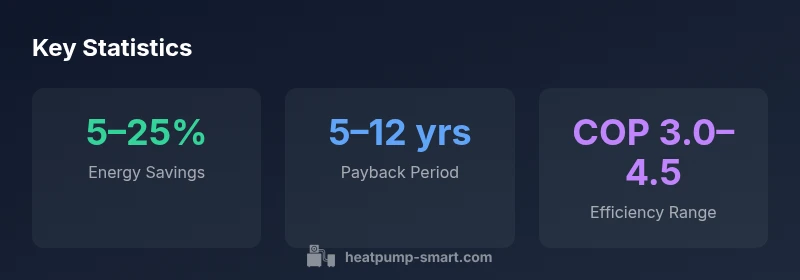
Efficiency metrics like COP (coefficient of performance) and SEER (seasonal energy efficiency ratio) provide a snapshot of potential performance, but real-world results depend on outdoor temperatures, humidity, and load. In moderate climates, a Bosch 5 ton heat pump can sustain higher COP values for longer periods, while very cold conditions often trigger auxiliary heat. In addition, system design, refrigerant health, and maintenance discipline all influence efficiency. The Heatpump Smart analysis notes that inverter-driven compressors help smooth output, reduce idle losses, and improve part-load efficiency. For homeowners, focusing on staging and thermostat strategy can yield noticeable savings without compromising comfort.
Installation Considerations: Location, Ductwork, and Controls
Proper installation is essential for a Bosch 5 ton heat pump to perform as designed. Outdoor units require level, well-ventilated space with adequate clearance for airflow; indoor components should be sized to match existing or planned ductwork. Duct sealing and insulation matter, as leaks can erode efficiency more than you might expect. Controls, thermostats, and zone dampers must be coordinated to maintain comfort across rooms. Electrical service, condensate management, and refrigerant accessibility are typical concerns installers review during the rough-in and commissioning phases. A careful installation can minimize vibrations and noise, improving occupant satisfaction and equipment longevity.
Maintenance and Long-Term Care: Keeping Performance High
Scheduled maintenance matters just as much as the initial choice. For a Bosch 5 ton heat pump, tasks include filter replacement, outdoor coil cleaning, refrigerant level checks, and confirming electrical connections are secure. A licensed technician should inspect the system at least annually, with more frequent checks in extreme climates. Regular maintenance helps preserve efficiency, reduces the risk of refrigerant leaks, and extends the equipment’s lifespan. Homeowners can support performance by keeping outdoor landscaping clear around the condenser and by using a smart thermostat to avoid unnecessary cycling.
Costs, Incentives, and Total Cost of Ownership
Total cost of ownership for a Bosch 5 ton heat pump includes equipment price, installation, energy savings, and potential incentives. Prices vary by region and contractor, but a typical project involves equipment cost plus labor, with significant differences depending on ductwork needs and whether new zoning or a heat pump water heater is included. Incentives may include utility rebates, tax credits, and local grants; eligibility depends on location and the unit’s efficiency rating. Evaluating long-term energy savings against upfront costs helps homeowners and managers understand the economic value of the investment.
Choosing a Qualified Installer and Ensuring Compatibility
Selecting an installer with Bosch product familiarity and proper licensing reduces risk and ensures the system is sized and configured correctly. Request load calculations, system diagrams, and warranty terms before signing. Confirm compatibility with existing ductwork, electrical service, and controls. Ask about vibration isolation, noise reduction options, and post-install service agreements. A thorough installer will perform commissioning tests and provide documentation for future maintenance and potential warranty claims.
Bosch vs Competitors in the 5-Ton Class: What to Consider
The 5 ton segment includes several reputable brands, each with strengths in efficiency, reliability, and after-sales support. When evaluating a Bosch 5 ton heat pump against competitors, consider: warranty coverage, compatibility with smart thermostats, noise ratings, and local service availability. While Bosch products are known for engineering quality and robust performance, the best choice depends on your home’s unique load, climate, and budget. Use a comparative checklist, consult with a Heatpump Smart advisor, and review neighbor installations to gauge real-world results in your area.
Overview of 5-ton heat pump configuration for Bosch models
| Aspect | Typical configuration | Notes |
|---|---|---|
| System configuration | Air-source heat pump with Bosch 5 ton rating | Outdoor condenser + indoor air handler/ducted system |
| Sizing reference | 5 tons (approx. 60,000 BTU/h) | Heat load depends on climate, insulation, and windows |
| Efficiency indicators | COP/SEER vary by model and climate | Follow manufacturer and installer guidance for best results |
Your Questions Answered
What does '5 ton' mean in heat pump terms?
The '5 ton' designation indicates a heating and cooling capacity of roughly 60,000 BTU/h. Actual performance varies with climate, home envelope, and system configuration. A proper load calculation helps confirm this sizing for your home.
Five ton means about 60,000 BTU per hour of capacity, but real results depend on climate and home design.
Is Bosch 5 ton suitable for my climate?
A Bosch 5 ton unit can be appropriate in many climates, especially with good insulation and efficient ductwork. A professional load analysis will confirm whether this size meets your heating and cooling needs.
It can fit many climates, but a professional check is essential.
Can I install a Bosch 5 ton heat pump myself?
No. Installation requires a licensed HVAC professional due to refrigerant handling, electrical work, and building codes. A proper install ensures performance and warranty validity.
Don’t DIY—professionals handle it.
What maintenance tasks are essential?
Regular filter changes, outdoor coil cleaning, refrigerant checks, and annual professional service help maintain efficiency and prevent faults. Schedule routine inspections aligned with seasonal transitions.
Change filters, clean coils, and have an annual pro check.
What incentives might offset costs?
Utility rebates, tax credits, and local grants can reduce upfront costs. Eligibility varies by region and unit efficiency rating, so check local programs and ask installers for current options.
Look for rebates and credits in your area.
How does Bosch compare to other brands in the 5-ton class?
Bosch is known for engineering quality and solid warranties. When comparing, evaluate warranties, service networks, noise ratings, and total ownership costs across brands to find the best fit for your home.
Bosch has strengths, but compare warranties and service.
“A well-sized Bosch 5 ton heat pump can deliver consistent comfort with significant energy savings when installed by a qualified technician.”
Top Takeaways
- Size your system with a professional load calculation
- Expect efficiency gains with inverter-driven compressors
- Invest in proper installation and ductwork for best performance
- Evaluate total cost of ownership and available incentives