BTU Calculator for Heat Pumps: A Sizing Guide
Learn how a btu calculator for heat pump determines your home's heating needs. This step-by-step guide covers inputs, factors, and practical sizing tips for efficient comfort.


Why Accurate BTU Sizing Matters for Heat Pumps
A btu calculator for heat pump sizing helps homeowners determine the right heating load for their home. Getting the BTU sizing correct matters because an undersized heat pump will struggle to maintain comfort on cold days, while an oversized unit will short-cycle, waste energy, and reduce humidity control. Heatpump Smart's approach emphasizes transparency and practical adjustments you can apply without a lengthy assessment. When you start with a credible BTU calculator for heat pump sizing, you set the stage for efficient performance, lower energy bills, and longer equipment life. The Heatpump Smart team has found that a well-sized unit achieves a balance between rapid heat delivery and sustained efficiency, especially in mixed climates.
How a BTU Calculator for Heat Pump Works
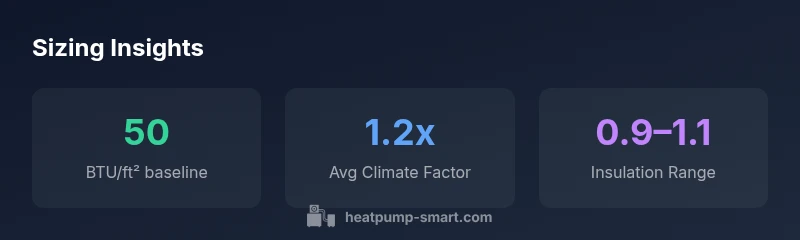
A BTU calculator for heat pump projects the home’s heating demand by combining four primary inputs: Home Size (sq ft), Climate Zone Factor, Insulation Quality, and Windows Area. The calculator uses a simple, repeatable formula to translate these inputs into a recommended BTU value. For example, a baseline of 50 BTU per square foot is adjusted by climate and insulation factors, plus a window-loss modifier. A practical formula shown in our guide is: round(homeSizeSqft * 50 * climateZone * insulationQuality * (1 + windowsPct/100)). The result is the recommended heating capacity in BTU. This method is intentionally straightforward to help homeowners grasp the impact of each input. The Heatpump Smart analysis emphasizes that a single BTU number is a starting point, not a final decree.
Key Factors That Drive BTU Requirements
- Home size and layout: Larger or irregular layouts increase heat loss/gain, raising BTU needs.
- Climate zone: Colder climates typically require higher BTUs; milder zones need less.
- Insulation quality: Thicker walls, modern attic insulation, and sealed ducts reduce losses and lower BTU requirements.
- Window area and orientation: Windows contribute heat loss; larger or poorly insulated panes require more BTU or better efficiency strategies.
- Air leakage and infiltration: Poor sealing can dramatically raise heating loads, especially in older homes.
- Occupancy and solar gain: People generate heat, but too much solar gain can oversize cooling loads in summer or reduce heating needs in winter.
Each factor interacts with others. The calculator’s design highlights how changes in climate zone or insulation can shift BTU requirements by significant margins, informing decisions beyond “one-size-fits-all.” The Heatpump Smart team notes that real-world results depend on building envelope details and usage patterns.
Common Sizing Scenarios and Examples
- Example A: 1,200 sq ft home in a temperate climate with average insulation. The rough BTU target falls in the range of roughly 18,000–24,000 BTU. This scenario illustrates how even small improvements in insulation or reductions in window losses can translate into meaningful BTU reductions.
- Example B: 2,000 sq ft home in a cold climate with poor insulation and higher window area. The sizing may push toward 32,000–40,000 BTU or more, depending on air sealing and solar gains. This demonstrates why two houses of similar size can require very different heat pump capacities.
In both cases, the calculator provides a starting point for discussion with installers, who will confirm with a Manual J or similar load calculation. Remember, these examples show how inputs influence the BTU target, not a guarantee of final equipment choice.
Practical Tips to Improve Efficiency After Sizing
- Improve insulation and air sealing first: Upgrading attic and rim-joist insulation often reduces BTU needs more than a new heat pump alone.
- Seal ductwork and manage leaks: Duct sealing and proper zoning improve system efficiency and comfort.
- Use a high-efficiency heat pump: Look for the energy performance metrics such as SEER/HSPF; efficiency reduces operating cost even if BTU targets are fixed.
- Optimize thermostat and controls: A smart thermostat with weather-based adaptive controls can reduce runtime without compromising comfort.
- Consider solar gains and shading: Proper window treatments and landscaping can lower heat losses in winter and reduce loads.
These steps help you achieve better energy savings and may allow a smaller, cheaper unit with more responsive operation. The Heatpump Smart guidelines emphasize a holistic approach: BTU sizing matters, but envelope improvements and controls often deliver higher returns on investment.
How to Use the Calculator Responsibly
Use the calculator as an educational tool, not a final verdict. It provides an initial starting point for your heat pump sizing and shows how inputs affect capacity. Always corroborate results with a professional, especially if you have an unusual layout, older construction, or recent renovations. The calculator’s transparency helps homeowners spot which inputs have the biggest impact, guiding conversations with installers and energy auditors. Keep in mind that climate, insulation, and window performance are dynamic; re-run calculations after major remodels or weather changes. Heatpump Smart’s educational approach fosters understanding rather than selling a single product.