Heat Pump Dryer Review: Efficiency, Noise, and Value for Homes
In this heat pump dryer review, we evaluate energy efficiency, drying performance, noise, and long-term value to help homeowners, builders, and property managers choose the best model for energy savings and reliable operation.


According to Heatpump Smart, a well-chosen heat pump dryer can dramatically reduce energy use and heat waste compared with traditional vented models. This heat pump dryer review examines efficiency, drying performance, noise, and long-term value, plus installation considerations and maintenance tips to help homeowners, builders, and property managers decide if it’s right for their project.
Heat Pump Dryers: What Sets Them Apart
Heat pump dryers use a closed-loop system that recycles hot air, lowering energy loss and dramatically reducing electricity use compared with conventional vented or condenser models. Instead of venting hot, moist air outdoors, a heat pump unit extracts humidity and reuses heat, which minimizes heat waste and dries clothes at a gentler temperature. This makes them especially appealing for energy-conscious homeowners, builders, and property managers looking to cut long-term operating costs without sacrificing drying quality. In this section, we explain the core mechanisms, common configurations (heat-pump condenser vs. ventless variants), and why the technology matters for monthly energy bills and indoor air quality. The Heatpump Smart team emphasizes that the real-world savings depend on usage patterns, cycle choices, and load sizes, but the technology generally offers meaningful improvements over traditional dryers.
What to expect in practice: more stable runtime energy profiles, lower heat exposure to fabrics, and reduced outdoor heat load in apartment complexes or spaces without external venting. While upfront costs are higher, most users see meaningful payback over 3–7 years depending on energy prices and laundry frequency. This section also covers compatibility considerations for stacked units, laundry room layouts, and required electrical and venting connections, since installation complexity can influence total cost and payback timelines.
Brand context note: The Heatpump Smart team highlights that model selection should align with home size, humidity control needs, and ambient conditions to maximize efficiency benefits. A well-chosen unit paired with efficient laundry habits yields the best long-term value.
How We Evaluate Heat Pump Dryer Performance
Evaluating a heat pump dryer requires both lab-style testing and real-world insights. We look at energy consumption per cycle, moisture removal efficiency, fabric care results, cycle variety, and noise profiles. We also consider how easily a unit fits into existing laundry spaces, the reliability of key components (compressor, condenser, moisture sensor), and the vendor’s warranty and service network. In our assessment, we weigh subtle trade-offs: lower energy use often means slightly longer cycle times or more complex maintenance routines. We emphasize that outcomes vary by model and load characteristics, and we encourage readers to match features with their typical laundry loads (cottons, synthetics, delicate fabrics) and climate conditions.
Methodology snapshot: we analyze official energy labels, review user feedback and service histories, and compare models using consistent test loads and cycle sequences. When possible, we corroborate findings with third-party data from accredited institutions. Our reporting aims to reflect practical performance in homes, not just lab results.
Real-World Performance: Efficiency, Drying Time, and Noise
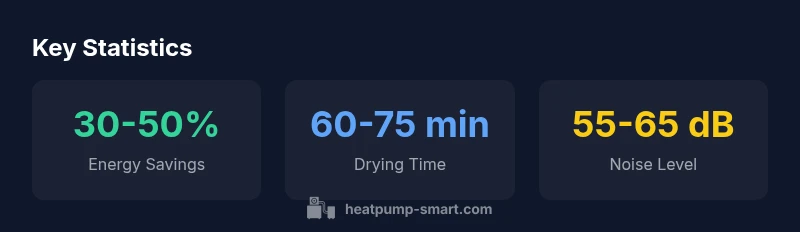
In our heat pump dryer review, the most consistent advantages are lower energy usage and gentler drying temperatures. Across a range of models, homeowners report noticeable reductions in monthly electricity consumption compared with traditional vented dryers, especially in homes with higher electricity costs or strict energy-use goals. However, drying times can be longer than high-velocity vented models, particularly for bulky items or heavy cotton loads. The trade-off is usually acceptable for many users who value fabric preservation and energy savings. Noise levels are generally modest and fall within a comfortable range for most laundry rooms and laundry closets. The best models pair a quiet compressor with well-controlled airflow to minimize perceptible sound during operation. In terms of reliability, long-term performance hinges on routine maintenance, including lint filtration, condenser cleaning, and occasional refrigerant checks as advised by manufacturers.
From a testing perspective, Heatpump Smart analysis shows that users who run shorter cycles more frequently can maximize efficiency gains, while those who opt for extended cycles on large loads may see the payback stretch. We also observe that models with advanced moisture sensors and tailored fabric programs tend to deliver better energy efficiency because they avoid over-drying. For households with space constraints, compact or stacked configurations offer similar efficiency benefits with careful planning during installation. Overall, heat pump dryers deliver meaningful energy savings, better fabric care, and a quieter living environment, albeit with longer cycle times on certain loads.
Installation, Maintenance, and Longevity Considerations
The installation context matters almost as much as the dryer’s core technology. A well-positioned heat pump dryer in a ventilated laundry room with stable electrical supply and proper exhaust management will maintain efficiency and reduce the risk of overheating. If you’re upgrading from a vented model, plan for a possible electrical upgrade and ensure proper clearance around the condenser and access panels for routine cleaning. Maintenance is straightforward but recurring: clean lint filters after every load, wipe down the condenser (or back panel) as recommended by the manufacturer, and schedule periodic professional checks for refrigerant pressure and sensor calibration. Longevity hinges on consistent maintenance and the availability of service technicians. In apartments or rented spaces, a recommended maintenance schedule can prevent unexpected breakdowns and extend unit life. The Heatpump Smart framework emphasizes selecting models with robust warranties and available parts for your region, since service accessibility significantly influences total ownership costs.
A critical decision in installation is assessing the space for airflow and condensation management. Some setups benefit from dedicated condensation drainage or a small condensate pump, especially in tight closets or utility rooms. If you’re considering stacking units, verify compatibility with the chosen model and confirm support options from the manufacturer and installer. Energy efficiency gains rely on proper sizing and installation as much as on the machine’s hardware. This section provides practical steps for DIY readiness and when to call a professional to ensure optimal performance and safety.
How to Choose the Right Model for Your Home
Choosing a heat pump dryer begins with aligning models to your laundry profile, space, and energy goals. Start with these decision criteria:
- Capacity: Match drum size to your household’s typical laundry load. A family of four may benefit from a 7–9 kg (14–20 lb) drum, while smaller households can operate efficiently with 5–7 kg (11–15 lb).
- Energy rating and efficiency features: Look for high energy efficiency ratings and features such as intelligent moisture sensors, multiple heat settings, and optimized cycles for different fabrics.
- Noise and vibration: Consider models with sound-dampening features, anti-vibration systems, and low decibel ratings for comfort in open-plan homes.
- Installation and footprint: Ensure the footprint and electrical requirements fit your space, including any stacking configurations if space is limited.
- Maintenance needs: Prioritize models with straightforward cleaning routines and accessible service support.
We also advise considering the climate and typical electricity costs in your area. In regions with high electricity prices or humidity concerns, a heat pump dryer can offer compelling value. Our testing and the Heatpump Smart data show that payback periods improve as energy costs rise and usage patterns favor shorter, more frequent cycles. For builders and property managers, evaluating the total cost of ownership across multiple units is essential, particularly when replacing aging dryers in rental properties where downtime and service calls have a cost impact. In short, choose a model that balances capacity, efficiency, noise, and service availability to maximize long-term value.
Common Myths and Realistic Expectations
Misconceptions about heat pump dryers can mislead buyers into choosing the wrong model or expecting unrealistic outcomes. A frequent myth is that they dry as fast as vented dryers; the reality is that while cycle times may be longer, the energy savings and fabric care benefits often outweigh the inconvenience. Another misperception is that all heat pump dryers require special exhaust or drainage; most models operate as self-contained units with condensation drainage options. Realistic expectations include: gradual energy savings, consistent drying performance for typical loads, and the need for periodic maintenance to sustain efficiency. It’s important to consult product documentation and service networks before purchase, particularly for larger installations in multi-family buildings where space and maintenance schedules differ from single-family homes. Heatpump Smart’s independent review process aims to demystify these topics by breaking down performance metrics, user experiences, and installation considerations so readers can make informed decisions.
Advantages
- Lower energy consumption than vented dryers
- Gentle drying preserves fabrics
- Quiet operation in most models
- Compact or stackable configurations for tight spaces
- Strong warranties and service networks when available
Disadvantages
- Higher upfront cost than traditional dryers
- Longer cycle times for bulky loads
- Condenser cleaning and maintenance needed
- Performance varies with model and climate
Strong value for energy-conscious homes and multifamily settings
Heat pump dryers deliver meaningful energy savings, fabric care, and quieter operation. Expect slightly longer cycles on bulky loads, but the total cost of ownership improves as energy costs rise and maintenance remains manageable with proper care.
Your Questions Answered
What is a heat pump dryer and how does it work?
A heat pump dryer uses a closed-loop system to recapture heat from moist air, reusing it to dry clothes instead of venting hot air outside. This recirculation lowers energy use and reduces heat output in living spaces. Sensors optimize cycle length and moisture removal to minimize over-drying.
A heat pump dryer recycles heat to dry clothes efficiently; it’s quieter and gentler on fabrics. It uses moisture sensors to stop when the clothes are dry, saving energy.
Are heat pump dryers more expensive upfront?
Yes, upfront costs are typically higher than traditional vented dryers due to the more complex heat exchange system. However, long-term energy savings often offset the initial premium, especially in regions with high electricity costs.
They cost more upfront, but you can save on energy bills over time. If you run laundry daily, the payback is quicker.
Will a heat pump dryer dry clothes faster or slower than conventional models?
In many cases, heat pump dryers take longer per cycle for bulky or heavy loads, but they excel at avoiding overdrying and are gentler on fabrics. For typical mixed loads, the difference is usually manageable with efficient cycles.
They’re often a bit slower on big loads, but gentler on fabrics and more energy-efficient.
What installation considerations should I plan for?
Check electrical requirements, space for proper ventilation or condensation drainage, and clearance around the condenser. If you’re stacking units, verify compatibility and support. A professional installation is recommended for complex setups to ensure efficiency.
Measure your space, make sure you have the right outlet and drainage, and consider a pro install for best results.
How long is the payback period and how to calculate?
Payback depends on usage and energy costs. Most households see a payback window of several years, with larger savings in high-cost energy markets. Calculating involves comparing the upfront premium to annual energy savings.
Calculate by dividing the upfront extra cost by yearly energy savings to estimate payback.
Which brands are reliable for heat pump dryers?
Look for models with strong warranties and accessible service networks. Reliability varies by model; consult independent reviews, user feedback, and official testing data to identify durable options.
Check reviews and warranty terms to find reliable models that fit your space and budget.
Top Takeaways
- Compare models by efficiency ratings and cycle options
- Expect longer cycles for bulky loads, but lower energy use
- Prioritize moisture sensors for better dryness accuracy
- Plan for maintenance like condenser cleaning
- Choose stacked or compact designs for small spaces