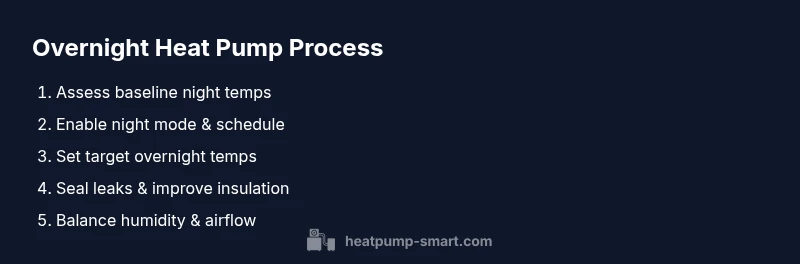
Heat Pump Overnight: Sleep-Smart Energy Savings Guide
Learn how to run your heat pump overnight for comfort and energy savings. This guide covers scheduling, night modes, insulation, and safety tips for homes and property managers.


By optimizing your heat pump overnight operation, you can maintain comfortable temperatures while reducing energy use and demand on the grid. This quick guide outlines sleep-friendly scheduling, night-mode choices, and practical adjustments that homeowners, builders, and property managers can implement this season. Expect clearer guidance on setpoints, insulation checks, and safe operation for overnight runs.
Why Overnight Efficiency Matters
For many homes, nighttime is a critical window for temperature stability and energy savings. The concept of heat pump overnight operation focuses on balancing comfort with reduced energy usage while you sleep. Heat pumps are designed to extract heat from outside air and transfer it indoors, a process that can run longer at night when thermostat setpoints are lower or demand on the grid is different. When you optimize overnight performance, you avoid large temperature swings that wake you and also prevent extended periods of inefficient cycling that waste energy. According to Heatpump Smart, overnight efficiency isn’t just about lowering temps; it’s about intelligent sleep-mode strategies that respect comfort and utility rates. A well-tuned overnight routine reduces unnecessary cycling and keeps your home within a tight, steady temperature band. You’ll benefit from fewer wake-ups due to cold or hot spots, and you’ll see the cumulative impact on your monthly energy bill over time.
Key drivers of overnight efficiency include proper setpoints for overnight hours, minimizing fan usage during the night, ensuring the ductwork is sealed, and maintaining clean filters which keep the system from working harder than needed. Even small adjustments can compound into significant savings when done consistently. Heatpump Smart’s guidance emphasizes starting with a conservative baseline and then refining through observation and data.
How Heat Pumps Operate Overnight
Heat pumps operate on inverter-driven compressors, which adapt output to demand. Overnight, several behaviors influence performance: the cycle length (short vs. long on-time), defrost cycles in colder climates, and the interaction between outdoor temperature and indoor setpoints. When you set your heat pump to run overnight, you’re usually leveraging lower target temperatures (for heating) or higher temperatures (for cooling) during your sleep hours. This can improve efficiency by reducing cycling frequency and avoiding sharp temperature swings. The system will still respond to changes in outdoor temperature and indoor humidity, but a well-tuned overnight setup reduces the energy wasted when the unit toggles between heating and idle. Regular maintenance, including filter cleaning and airflow checks, ensures the unit remains efficient through the night and minimizes the risk of strain on the compressor during longer runs.
A key benefit of overnight operation is reduced peak demand. Utility rates often reflect higher costs during peak hours, and by shifting load to off-peak times, you can achieve meaningful savings over a billing period. In many homes, the overnight window aligns with the most stable temperatures and the lowest external heat losses, which helps the system operate more efficiently. Heatpump Smart’s analysis shows that properly scheduled overnight settings can contribute to lower energy consumption without sacrificing comfort, especially when paired with good insulation and airtight sealing.
Night Mode Settings: What to Adjust
Night mode is the workhorse of overnight performance. It typically lowers the heating or cooling output while allowing the fan to run at a reduced level to maintain air distribution. When configuring night mode, consider three knobs: setpoint, fan speed, and humidity control. Start with a modest setpoint change (e.g., 2–3 degrees F/1–2 C) and observe comfort levels after an hour. If the indoor humidity feels damp or stuffy, adjust the humidity setting or increase gentle air movement to prevent condensation and mold risk. Many heat pumps support a dedicated sleep schedule that gradually adjusts the setpoint through the night—this helps avoid abrupt shifts that wake sleepers. Additionally, ensure your thermostat or app-based scheduler respects your bedtime and wake times, so the unit ramps up or down without manual intervention.
For single-room or open-plan spaces, consider zoning or local fans to improve comfort without forcing the entire system to overwork. If your system lacks a true night mode, you can approximate it with a staggered setpoint and a lower fan speed. Monitor how the changes feel and refine gradually. Remember: overnight efficiency benefits from consistency and predictability in how you set temperatures across the night.
Scheduling for Comfort and Savings
A practical overnight schedule begins with a baseline comfort target. Start with your most common bedtime and wake-up times and map the hours where you want the system at a stable, comfortable level. Use a two-stage approach: first, a gentle drift toward a lower (or higher) setpoint set for comfortable sleeping temperatures, then a stable plateau during the deepest sleeps. For colder climates, you may want a slightly warmer baseline during late-evening hours and a smoother decline to a cooler setpoint around early morning. In warmer climates, reverse the strategy: a gentle cool-down toward dawn can leverage night-time cooling without excessive energy use.
Seasonal adjustments matter. In shoulder seasons, you can push more aggressive savings without compromising comfort. In mid-winter or peak summer, you may need a more conservative schedule to prevent excessive cycling on cold days or heat waves. Use a quality thermostat with draft-friendly scheduling and consider a seasonal reset that aligns with daylight hours and typical occupancy patterns. The goal is a consistent indoor environment that matches your sleep needs while reducing energy waste over the night.
Heatpump Smart encourages documenting any changes and tracking perceived comfort alongside energy use. You'll want to review your schedule after one full week, then adjust by a degree or two as needed to hit your comfort targets without compromising efficiency.
Insulation and Airflow Considerations
Insulation and airtightness are often the limiting factors for overnight efficiency. Even the most sophisticated heat pump setup won’t deliver optimal results if cold air leaks into living spaces or warm air escapes through poorly sealed doors and windows. Start with a quick air-sealing audit: check common leakage points around windows, doors, attic access, and pipe penetrations. Add door sweeps where gaps exist and tighten weatherstripping where it’s worn. Proper insulation reduces evening heat loss, letting the heat pump work less hard to maintain the desired temperature through the night.
Airflow matters, too. Blocked vents or blocked return air grilles reduce the system’s ability to distribute conditioned air evenly. Ensure returns are clear and that rooms aren’t heavily stuffed with furniture that obstructs airflow. A small fan in poorly ventilated areas can help move air without causing a hot or cold spot. Maintaining good airflow reduces uneven cooling or heating and helps the overnight schedule perform as intended.
Finally, filters should be clean. Dirty filters increase pressure drop, reduce efficiency, and force the unit to work harder. Schedule a monthly check, and replace filters as recommended by the manufacturer. A clean, well-sealed home makes overnight heat-pump operation far more reliable.
Practical Setup Checklist
- [ ] Confirm your thermostat supports wake/sleep schedules and setpoints for overnight hours.
- [ ] Establish an initial overnight setpoint range that balances comfort and energy use.
- [ ] Enable night mode or create a dedicated overnight schedule on the thermostat.
- [ ] Inspect and seal obvious air leaks around doors, windows, and ducts.
- [ ] Clean or replace the air filter and verify airflow through supply vents.
- [ ] Check humidity settings and consider a dehumidification or ventilation plan if needed.
- [ ] Monitor overnight performance for one week, then refine setpoints as needed.
- [ ] Keep a simple log of changes to understand what delivers the best comfort-to-savings ratio.
Common Pitfalls and How to Avoid Them
One common pitfall is setting the overnight setpoints too aggressively, leading to more frequent cycling and discomfort. Start with small adjustments and observe results for several nights. Another issue is relying solely on one mode; mixing a modest setback with an air distribution strategy (like localized fans) can enhance comfort without forcing the entire system to run at maximum capacity.
Avoid ignoring humidity and condensation risk in cooler months. If humidity rises at night, the system may run longer cycles to remove moisture, increasing energy use. Regular maintenance and filter replacement help prevent efficiency losses caused by restricted airflow, which is a frequent cause of underperforming overnight operation.
Lastly, don’t skip insulation checks. A well-insulated home makes overnight heat-pump optimization much more effective. If you see drafts or stack effects in certain rooms, address these issues before relying on overnight settings alone.
Real-World Scenarios: Cold Climates, Humid Climates, and Mixed-Use Buildings
In cold climates, arterial heat losses through walls and windows can dominate overnight energy use. Tightening envelope leaks and using a slightly higher overnight setpoint can preserve comfort without excessive energy use. In humid climates, humidity control becomes part of overnight comfort; consider an operating mode that maintains target humidity or uses a dehumidification cycle on warm nights. In mixed-use buildings or multi-zone homes, overnight optimization benefits from zoning and coordinated schedules that align with occupancy patterns. Each zone may require distinct overnight setpoints, so multi-zone thermostats or smart controllers can be especially helpful.
Healthy operation depends on a balanced approach: seal, insulate, and schedule. Make sure all units and thermostats in the building are communicating correctly, and consider professional inspection if you notice persistent temperature discrepancies between rooms or zones. Heatpump Smart’s recommended approach is to pilot overnight strategies in a single zone first, then gradually expand to other zones once you have validated comfort and savings.
Monitoring Performance Overnight
Monitoring overnight performance is essential to validate comfort and savings. Use your thermostat’s data logs or an energy-monitoring device to track setpoints, outside temperatures, runtime, and electricity usage during the night. Compare nights with similar outdoor conditions to gauge whether changes yield meaningful improvements. Look for consistent temperatures, reduced cycling, and stable humidity levels as indicators of success. If overnight energy use remains high, revisit insulation, seal gaps, and reconsider the overnight schedule.
A practical habit is to note how many degrees your indoor temperature drifts during the night and how quickly it recovers in the morning. This provides a simple metric to refine the overnight strategy. Heatpump Smart recommends a monthly review during the heating or cooling season to preserve performance gains and adjust to seasonal shifts.
Tools & Materials
- Smart thermostat with scheduling and night-mode support(Critical for overnight setpoint control and sleep schedules)
- Heat pump manual or app access(Know your model's night modes, zoning, and fan options)
- Temperature sensor or thermometer(Use in key rooms to verify uniform comfort)
- Air filter (replacement)(Keep fresh filters to maintain efficiency)
- Sealant/draft-stopper kit(Optional for quick air-leak fixes around doors)
- Energy monitor or smart plug (optional)(Helpful for tracking overnight electricity use)
Steps
Estimated time: 30-60 minutes
- 1
Assess current overnight temperatures
Start by recording existing night-time temperatures for a full week to understand your baseline. Note typical bedtimes and wake times, and observe how often your home shifts temperature during the night. This baseline helps you measure improvement after changing overnight settings.
Tip: Use a simple log or app to record temperatures at two-hour intervals. - 2
Enable night mode and schedule
Activate your thermostat’s night mode or create a dedicated overnight schedule. If you don’t have a dedicated overnight mode, set a gradual change in the setpoint across the night. This helps avoid abrupt shifts that disturb sleep and reduces energy spikes.
Tip: Test with a 1–2 hour ramp and adjust based on comfort feedback. - 3
Set target overnight temperatures
Choose conservative overnight targets that maintain comfort without pushing the system into aggressive heating or cooling. Start with a small setpoint change (2–3 degrees) and increase only if the room feels too warm or cold after a few nights.
Tip: Keep a separate comfort log by room to catch uneven results. - 4
Check insulation and drafts
Inspect doors, windows, attic access, and ductwork for leaks. Seal gaps with weather-stripping, door sweeps, and duct-sealing materials as needed. Better insulation reduces heat loss and helps the overnight schedule perform as intended.
Tip: Address obvious leaks before fine-tuning the thermostat settings. - 5
Balance humidity and airflow
Monitor indoor humidity; high humidity can make a space feel warmer and less comfortable at night. If needed, adjust humidity settings or run gently on the fan to improve air movement without overworking the system.
Tip: A small portable dehumidifier can help in very humid spaces if the HVAC system struggles. - 6
Test and adjust after a week
Review the overnight performance after a full week of changes. If comfort is still off, adjust the setpoints by one degree and reassess. Consistent testing helps you dial in the right overnight strategy.
Tip: Sleep quality improvements are the best test of success—comfort matters as much as energy savings. - 7
Document results and set long-term plan
Keep a simple record of temperatures, energy use, and comfort assessments. Use this data to create a long-term overnight plan that aligns with seasonal changes and occupancy patterns.
Tip: Review quarterly and adjust for daylight saving time shifts if applicable.
Your Questions Answered
What is overnight heat pump operation?
Overnight operation uses scheduled setpoints and reduced cycling to keep a comfortable indoor environment while minimizing energy use during sleep hours.
Overnight operation uses scheduled settings so your home stays comfortable without wasting energy while you sleep.
How do I set up a sleep schedule on my heat pump?
Access your thermostat’s scheduling features and create a dedicated overnight program that gradually shifts temperatures through the night, matching your typical sleep times.
Open your thermostat app and create an overnight schedule that gradually adjusts temperatures to fit your sleep routine.
Will overnight settings save money on energy bills?
Yes, when done correctly, overnight settings can reduce energy use by limiting unnecessary cycling and using more efficient operation during low-demand hours.
Yes—carefully planned overnight settings can lower energy use and save on bills.
Can overnight optimization work in all climates?
Most homes benefit, but cold climates may require tighter insulation and careful humidity control to avoid condensation. Hot climates benefit from night cooling strategies that leverage cooler night air.
Most homes benefit, but you may need climate-specific tweaks for cold or hot regions.
What safety considerations should I follow?
Ensure proper ventilation, avoid blocking returns, and keep filters clean to prevent mold and equipment strain. If you notice unusual noises, leaks, or temperature swings, pause overnight adjustments and consult a professional.
Keep vents clear, monitor humidity, and check filters. If anything seems off, pause and call a pro.
How long should I test overnight changes before adjusting?
Test changes for at least 5–7 nights to account for weather variability and occupant behavior before making further adjustments.
Give changes at least a week to show reliable results before tweaking again.
Watch Video
Top Takeaways
- Set gentle overnight targets to maintain comfort.
- Enable night mode and optimize airflow for efficiency.
- Seal leaks and improve insulation to boost overnight performance.
- Monitor overnight data and adjust gradually.
- Regular maintenance supports sustained savings.