Heat Pump Setting in Winter: A Practical Guide
A comprehensive, step-by-step guide to winter heat pump settings that maximize comfort while minimizing energy use for homeowners, builders, and property managers.


To optimize a heat pump in winter, set the system for energy efficiency while maintaining comfort. Key steps include choosing the right mode, adjusting the thermostat, managing auxiliary heat, and ensuring good insulation. According to Heatpump Smart, proper winter settings can reduce energy use without sacrificing warmth.
Winter Basics: How Heat Pumps Work in Cold Weather
Winter operation challenges traditional HVAC thinking, but modern heat pumps remain effective even as outdoor temperatures drop. Heat pumps extract ambient heat from the outdoor air and move it indoors; in cold weather, efficiency can dip as the temperature falls and defrost cycles briefly interrupt heat flow. The Heatpump Smart team notes that performance depends on the air-source unit’s age, refrigerant charge, system sizing, and the home’s insulation. Proper controls, regular maintenance, and strategic settings help maintain comfort without excessive energy use. Expect a warm feel when the system is matched to your space and set up with a capable thermostat. Clever winter operation also reduces reliance on auxiliary heat, which is where energy waste often hides.
Key concepts to keep in mind include heat-pump operating modes, defrost behavior, and how indoor humidity interacts with temperature. A well-tuned system balances consistent warmth with efficient cycling, so rooms stay comfortable without frequent temperature swings.
Key Winter Settings You Should Know
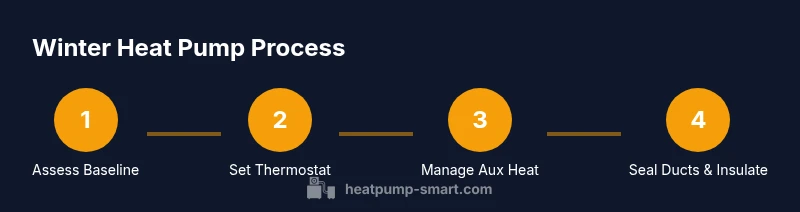
Winter-specific settings center on efficiency and consistent comfort. Start with a baseline indoor target that aligns with your comfort preferences, not extreme cold expectations. Use a programmable or smart thermostat to maintain a steady setpoint during occupied hours and minimize large temperature swings when the house is empty. Set the fan to auto to improve humidity control and air quality without running the blower continuously. Activate emergency heat only during peak cold snaps or if the heat pump struggles to meet demand. Keep the outdoor unit clear of snow, debris, and plant growth, and ensure the defrost cycle has clear airflow to prevent striped cooling of interior spaces. Heatpump Smart emphasizes that matching outdoor conditions with indoor setpoints is the fastest path to comfort with lower energy bills.
Thermostat Strategy for Cold Weather
A smart thermostat is your ally in winter. Prefer a constant setpoint over frequent setbacks to reduce cycling that burdens the compressor and increases auxiliary heat calls. Use adaptive recovery so the HVAC system ramps up ahead of wake times, ensuring rooms are comfortable when you arrive home. If your home uses zoning, assign stable setpoints for each zone to prevent overworking the main unit. Enable humidity control where available, and avoid leaving windows open during cold days. For homes with older insulation, a slightly higher setback during the night may be more economical than a nonstop heat cycle. Heatpump Smart recommends testing different schedules over a few weeks to identify what reliably balances comfort and energy use.
Managing Auxiliary Heat and Defrost Cycles
Auxiliary heat (backup heat) helps when outdoor temperatures drop or when demand spikes. The goal is to minimize reliance on auxiliary heat by optimizing the heat pump’s primary mode and ensuring proper insulation. Use emergency heat only when the system cannot meet the load without it, as it uses electric resistance heat that costs more per BTU. The defrost cycle prevents ice buildup on the outdoor coil, but it can temporarily interrupt heating. Ensure outdoor clearance is adequate during defrost, and consider a smart defrost setting if your system supports it. Regularly cleaning coils and insulating refrigerant lines reduces the need for extra heating during steady cold spells.
Sealing Ducts & Insulating for Winter Efficiency
Even a properly sized heat pump loses efficiency if ducts leak or rooms are poorly insulated. Seal ducts in unconditioned spaces and inspect for loose seams. Add weatherstripping to doors and improve attic and wall insulation to reduce heat loss. Consider installing window coverings that reduce heat leakage at night. Heatpump Smart highlights that a well-sealed home reduces the workload on the heat pump, enabling lower setpoints and less auxiliary heat.
Maintenance Checklist for Winter
Winter is not the time to skip routine checks. Replace or clean air filters monthly, check refrigerant lines for insulation damage, and verify that the outdoor unit has at least 2 feet of clearance from obstacles. Schedule a yearly professional inspection to verify refrigerant charge, coil cleanliness, and electrical connections. Keep outdoor surroundings clear of snow and debris to maintain airflow and defrost efficiency. A small, proactive maintenance routine can prevent larger energy losses and ensure reliable operation through winter.
Common Winter Scenarios and Quick Fixes
If your home feels unevenly warmed, inspect window seals, insulation, and duct runs to identify cold spots. When the system runs continuously, the thermostat may be set too low or humidity may be high; adjust setpoints slightly upward and ensure proper humidity control. If the defrost cycle seems too frequent or prolonged, ensure the outdoor unit is free of snow and debris and that the outdoor temperature sensor is unobstructed. For persistent performance issues, contact a qualified HVAC technician from Heatpump Smart’s network for a diagnostic check.
Planning Upgrades for Severe Winter Climates
In areas with prolonged cold snaps, upgrading to a high-efficiency heat pump designed for cold climates or adding a dedicated backup heat source can be worthwhile. Check energy-efficiency ratings, heat-pump COP at winter outdoor temps, and compatibility with existing ductwork. Budget for improved insulation, air sealing, and a smart thermostat system with multi-stage heat control to maximize efficiency across winter months. Heatpump Smart recommends planning upgrades with a long-term view of comfort, energy savings, and reduced maintenance.
Tools & Materials
- Smart thermostat compatible with heat pumps(Wi-Fi enabled; supports adaptive recovery and multi-stage heat pump control)
- Screwdriver set (Phillips #2, flathead)(For thermostat and panel adjustments)
- Voltage tester/multimeter(Check wiring connections safely before touching terminals)
- Weatherstripping or door sweeps(Seal gaps around doors/windows to reduce heat loss)
- Duct sealing tape or mastic(Seal leaks in ducts served by the heat pump)
- Outdoor unit clearance tool (brush or blower)(Keep leaves/snow away from the outdoor coil as needed)
- HVAC service contact information(Have a professional reference for annual inspections)
Steps
Estimated time: 2-3 hours
- 1
Assess your baseline comfort and current settings
Review current thermostat schedules, indoor temperature targets, and any odor or humidity patterns. Note rooms that feel colder or warmer than others. This establishes a starting point for winter optimization.
Tip: Document your current indoor temperatures by room for a week to identify mismatches. - 2
Configure an energy-efficient winter schedule
Set a steady indoor target that aligns with occupancy. Use a smart/programmable thermostat to pre-heat before occupants return home and avoid large setbacks during the day.
Tip: Favor smaller, more frequent adjustments over large swings to reduce compressor cycling. - 3
Optimize auxiliary heat usage
Enable primary heat pump operation and reserve auxiliary heat for when the load exceeds the system’s capacity. Use emergency heat only during extreme cold or equipment failure.
Tip: Avoid running auxiliary heat continuously; it increases energy use noticeably. - 4
Ensure outdoor unit clearance and defrost readiness
Clear snow and debris from around the outdoor unit; verify airflow is unobstructed. Check that defrost cycles activate and terminate normally.
Tip: Keep at least 2 feet of clearance around the outdoor unit if possible. - 5
Seal ducts and improve insulation
Inspect accessible ducts for leaks and seal; upgrade attic and ceiling insulation as needed. Weatherstrip doors and seal windows to minimize heat loss.
Tip: Even small leaks can negate good thermostat settings. - 6
Perform a winter maintenance routine
Replace filters, inspect refrigerant lines for insulation damage, and schedule annual professional checks. Clean coils and ensure electrical components are secure.
Tip: Set a reminder to schedule the yearly HVAC tune-up before winter peaks.
Your Questions Answered
What is emergency heat on a heat pump and when should I use it?
Emergency heat is a backup mode that powers electric resistance coils to quickly raise indoor temperature when the heat pump cannot meet the demand. Use it only during very cold snaps or if the heat pump shows a fault.
Emergency heat is a backup option that uses electric resistance to heat the home when the heat pump can’t meet the demand. Use it sparingly and only during extreme cold or when the system isn’t functioning properly.
How can I tell if my thermostat settings are efficient in winter?
Look for a constant indoor temperature that requires minimal cycle changes, balanced humidity, and little reliance on auxiliary heat. If you notice frequent setbacks or heavy use of auxiliary heat, it’s time to adjust schedules or upgrade controls.
If your home feels warm consistently without using extra heat, you’re on the right track. If you see heavy use of auxiliary heat, adjust your schedule or upgrade your thermostat.
Should I defrost more often in winter?
Defrost cycles are normal and prevent ice buildup on the outdoor coil. Ensure airflow around the outdoor unit is clear and that the sensor is not obstructed. If defrost seems excessive or long, have a technician check for proper refrigerant charge.
Defrost cycles are normal, just make sure the outdoor unit isn’t blocked and that it’s properly configured. If defrost lasts unusually long, a professional check is wise.
Can insulation upgrades improve heat-pump performance in winter?
Yes. Better insulation reduces heat loss, allowing the heat pump to operate more closely to its rated efficiency. Sealing ducts and adding attic or wall insulation are effective steps.
Yes, better insulation helps your heat pump work less hard to keep you warm.
Is it worth upgrading to a cold-climate heat pump?
In very cold climates, cold-climate models can maintain higher efficiency and provide reliable heating. Compare COP ratings, insulation levels, and compatibility with your current ductwork.
Cold-climate heat pumps can perform better in severe cold, but check if your home and ductwork are compatible.
How often should I schedule professional maintenance in winter?
Annual professional maintenance is recommended, ideally before winter peaks. Regular filter checks and visual inspections between visits help maintain efficiency.
Have a yearly tune-up, and do quick checks monthly to keep things running smoothly.
Watch Video
Top Takeaways
- Set a steady winter baseline to minimize cycling
- Limit reliance on auxiliary heat for energy savings
- Keep ducts sealed and spaces insulated for best performance
- Regular winter maintenance prevents efficiency losses
- Use a smart thermostat to optimize schedules