How to Make Your Heat Pump More Efficient
Discover proven, practical steps to boost heat pump efficiency through maintenance, airflow optimization, thermostat strategy, and energy-saving habits for year-round comfort.


Taking steps to improve efficiency starts with a simple plan: assess current performance, fix air leaks, optimize airflow, and program your thermostat intelligently. This guide on how to make your heat pump more efficient walks you through practical, safe actions you can take yourself and when to call a pro. You'll learn maintenance routines, adjustment strategies, and monitoring methods that matter.
Why Heat Pump Efficiency Matters
Achieving high efficiency with your heat pump matters for comfort, cost, and climate impact. When you understand how to make your heat pump more efficient, you unlock fewer temperature swings, lower utility bills, and longer system life. Efficiency isn’t about one magic setting; it's a coordinated set of practices across maintenance, airflow, controls, and building envelope. For homeowners, builders, and property managers, focusing on the right levers yields practical payoffs. According to Heatpump Smart, common gains come from routine care, cleaner airflow paths, and smarter control strategies. The Heatpump Smart team found that many efficiency improvements come from targeted maintenance and careful system operation rather than expensive replacements. In practice, this means building a simple, repeatable routine: check air paths, verify unit health, tune controls, and monitor results over a heating season. With a steady approach, you can see noticeable differences in comfort and energy use without disruptive changes. This guide will help you navigate the core factors, so you know exactly what to inspect, adjust, and schedule to maximize efficiency and reliability.
Key Factors That Affect Efficiency
- Airflow and ductwork: Leaks, restricted ducts, or improper sizing reduce delivered heat and force the compressor to work harder.
- Outdoor unit clearance and level: Debris, snow, or plants around the unit impede heat exchange; ensure at least 24 inches of clearance.
- Thermostat and controls: A smart, properly programmed thermostat reduces cycling and maintains setpoint with fewer on/off cycles.
- Refrigerant health: A leak or incorrect charge causes inefficiency and potential damage; only a licensed tech should handle refrigerant.
- Home envelope: Poor insulation and air leaks in the building envelope force the heat pump to compensate. Addressing envelopes often yields high returns.
- Defrost cycles: In cold climates, efficient defrost cycling and proper icing management reduce energy use.
Heatpump Smart analysis shows that many inefficiencies hinge on neglecting airflow and controls. Regularly reviewing these factors helps you prioritize improvements and avoid wasted energy.
Practical Ways to Boost Efficiency
Clean and Maintain the Outdoor Unit
- Clear debris around the condenser, trim back vegetation, and hose off dirt that accumulates on coils. A clean coil exchanges heat more efficiently, reducing compressor workload.
- Check the fan and motor for unusual noise or wear; vibrations can indicate mounting or alignment problems.
Optimize Indoor Airflow
- Ensure returns and supply ducts are free of obstructions and that grille covers aren’t blocked by furniture. Poor indoor airflow makes the system run longer to achieve comfort.
- Consider upgrading duct insulation where ducts run through unconditioned spaces (attics, crawl spaces) to minimize losses.
Thermostat Tuning and Zoning
- Program a setback and recovery schedule tailored to occupancy patterns. Avoid large temperature swings that trigger frequent compressor cycling.
- If possible, implement zoning with dampers or multiple thermostats to prevent heating unused areas.
Insulation and Building Envelope
- Seal obvious air leaks around doors, windows, and attic hatchways with weatherstripping or caulk. A tighter envelope reduces heat gain/loss and lets the heat pump operate more efficiently.
- Add or improve attic insulation to reduce peak heating loads and flatten temperature swings throughout the day.
Refrigerant Health and Professional Care
- If you notice reduced cooling or heating performance, schedule a professional inspection to check refrigerant charge and system pressure. A refrigerant leak or incorrect charge causes efficiency loss and potential equipment damage.
- Annual or biannual preventive maintenance by a licensed technician helps catch issues before they escalate.
Seasonal Adjustments and Thermostat Strategies
Seasonal changes affect heat pump load. In winter, maintain a consistent, comfortable setback to avoid aggressive heating cycles; in milder days, use auxiliary heat sparingly and let the heat pump carry most of the load. Use a weather-compensating thermostat that adjusts output based on outdoor temperature trends, rather than a fixed indoor setpoint. This approach minimizes energy use while preserving comfort. In shoulder seasons, set modest targets (e.g., smaller temperature differences between day and night) to reduce cycling and wear.
Maintenance and Professional Servicing
Develop a simple maintenance calendar that includes monthly visual checks (airflow, cabinet cleanliness) and quarterly operational tests (thermostat response, defrost behavior). Plan an annual professional service to check refrigerant health, electrical connections, and safety switches. Regular maintenance helps Heatpump Smart analysis shows that consistent care often yields more reliable performance and longer life for heat pumps, especially in climates with seasonal swings.
Before You Start: Safety and Scope
This guide focuses on safe, do-it-yourself improvements. Do not attempt refrigerant handling or anything that requires opening pressure-containing containers without proper training and equipment. If you’re unsure about any step, contact a licensed installer or technician. Always disconnect power before accessing electrical components and use safety gear when working near the outdoor unit.
Quick Reference: Common Scenarios and Solutions
- Cold climate with frequent icing: ensure defrost cycle is functioning and keep clearance around the outdoor unit clean.
- Frequent cycling: review thermostat scheduling, reduce setpoint fluctuations, and consider zoning to avoid short-cycling.
- Rising energy bills despite good maintenance: check duct leakage, seal envelope, and verify refrigerant health with a pro.
Tools & Materials
- Phillips head screwdriver(Size #2 for most access panels)
- Caulk gun and weatherstripping(For sealing doors/windows and duct penetrations)
- Duct sealing tape (mastic/foil tape)(Use UL-listed tape; not standard household tape)
- Digital thermometer or infrared thermometer(For measuring return-air and supply-air temperatures)
- Vacuum with soft brush attachment(Clean coils and blower housing without damaging fins)
- Soft-bristle brush or coil cleaning brush(Gently remove debris from outdoor coils)
- Ladder or stable step stool(Access attic or ceiling components safely)
- Notebook and pen(Record baseline readings and notes for follow-up)
Steps
Estimated time: 2-4 hours
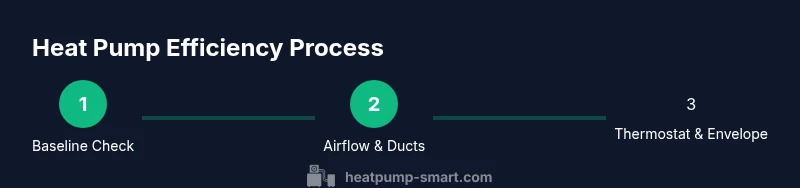
- 1
Conduct baseline check
Record current energy use, indoor and outdoor temperatures, and thermostat schedules. Note any unusual noises, ice buildup, or uneven heating. This baseline helps you measure improvements later.
Tip: Take photos of the outdoor unit and duct junctions for reference. - 2
Clear the outdoor unit
Remove leaves, snow, and debris around the condenser. Ensure at least 24 inches of clearance on all sides and keep the area free of plants that can shade the coils.
Tip: Turn off the unit before cleaning and avoid spraying water directly into electrical components. - 3
Inspect accessible ductwork
Check for obvious gaps, disconnected sections, or crushed ducts in accessible spaces. Use a flashlight to inspect inside attic or crawlspaces if safe to access.
Tip: Mark any leaks you find for sealing during the next step. - 4
Seal air leaks
Apply duct mastic or foil tape to seal joints. Seal attic and basement penetrations around pipes and wires to reduce infiltration.
Tip: Avoid sealing damp or wet areas; fix moisture issues before sealing. - 5
Improve indoor airflow
Ensure returns and supplies are not blocked by furniture or drapes. Clean grilles and verify air moves freely through rooms.
Tip: Replace or clean furnace air filters every 1-3 months during heavy use. - 6
Upgrade thermostat controls
Install or program a smart thermostat with daily schedules and adaptive recovery. Set mealtimes and occupancy patterns to minimize unnecessary heating cycles.
Tip: Enable automatic setbacks with a gentle recovery to avoid large swings. - 7
Envelope improvements
Seal obvious air leaks around doors, windows, and attic hatches. Add or improve insulation where gaps exist to reduce heat loss.
Tip: Consider a blower door test or professional energy audit for comprehensive results. - 8
Monitor performance
Compare new readings with your baseline across several days and weather conditions. Adjust settings and schedule as needed to balance comfort with efficiency.
Tip: Keep a log of energy bills and indoor temps to track long-term gains.
Your Questions Answered
What is the quickest way to improve heat pump efficiency?
The fastest gains come from sealing air leaks, cleaning the outdoor unit, and optimizing thermostat settings. These steps reduce load on the compressor and improve heat transfer without major investment.
Seal leaks, clean the outdoor unit, and optimize your thermostat to quickly improve efficiency.
Should I replace my thermostat to save energy?
Upgrading to a programmable or smart thermostat can significantly reduce energy use by aligning heating and cooling with occupancy. Ensure your current system supports the upgrade and program schedules that fit your home.
A programmable thermostat often saves more energy by matching heating to your schedule.
Can sealing air leaks save money on heating?
Yes. Sealing leaks reduces heat loss and improves overall system efficiency. Focus on doors, windows, attic hatches, and duct joints for the best returns.
Sealing leaks helps your heat pump work less and spend less.
When should I call a professional for heat pump maintenance?
Call a licensed technician if you notice persistent drops in performance, unusual noises, ice buildup, or if refrigerant levels are suspect. Regular checkups are recommended annually or biannually depending on climate.
If you notice performance issues or unusual noises, contact a licensed technician.
Do heat pumps lose efficiency in extremely cold weather?
Heat pumps can experience more cycling in very cold weather, especially with older models. Use auxiliary heat sparingly and ensure the outdoor unit is clear of snow and ice.
Extreme cold can affect efficiency; manage with smart controls and clear airflow.
Watch Video
Top Takeaways
- Start with baseline measurements and a safety-first plan.
- Improve airflow and seal leaks to reduce compressor load.
- Optimize thermostat control to minimize cycling.
- Schedule professional checks for refrigerant health and system health.