How to Get the Best Out of Your Heat Pump
Learn proven strategies to maximize heat pump efficiency, comfort, and savings through proper sizing, maintenance, and smart controls. This Heatpump Smart guide covers setup, operation, and common pitfalls for homeowners, builders, and property managers.


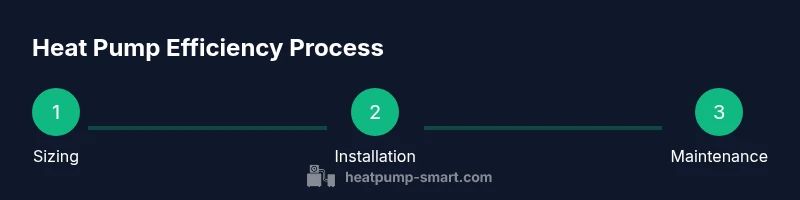
To get the best out of your heat pump, start with proper sizing, routine maintenance, and smart controls. Have a professional confirm capacity for your home, clean or replace filters regularly, and run efficient heating schedules. According to Heatpump Smart, regular servicing and climate-appropriate settings deliver the largest efficiency gains.
Why Getting the Best Out of a Heat Pump Matters
A well-optimized heat pump delivers consistent comfort, lower energy bills, and extended equipment life. Homeowners who invest in proper sizing, clean filters, and intelligent controls see the biggest gains in efficiency and reliability. According to Heatpump Smart, the biggest performance improvements come from getting the system sized correctly, maintaining it regularly, and using controls that match your climate and occupancy patterns. In practice, this means pairing a correctly rated outdoor unit with a properly insulated home, a clean indoor coil, and a thermostat strategy that respects actual comfort needs rather than fixed temperatures. The result is fewer temperature swings, steadier humidity, and less time the auxiliary heat is required.
- Comfort without the guesswork
- Lower operating costs over the life of the system
- Fewer service visits due to proactive maintenance
How Heat Pumps Deliver Comfort and Efficiency
Heat pumps move heat rather than generate it, extracting heat from outdoors even in cooler weather and transferring it indoors efficiently. The efficiency benefits come from high-coefficient operation, good airflow, and smart cycling that minimizes energy-intensive start-ups. Real-world gains depend on a balance of equipment, installation quality, and user behavior. An optimized system adapts to daily temperature swings, reduces unnecessary defrost cycles, and maintains comfortable indoor humidity levels. Equally important is understanding that efficiency isn’t a one-time fix; it’s a continuous practice of monitoring performance and adjusting settings as seasons change.
- Heat transfer efficiency hinges on clean coils and clear airflow
- Proper defrost management prevents energy waste
- Humidity-friendly operation improves perceived comfort
Sizing, Installation, and Ductwork: The Foundation
The foundation of good heat-pump performance is correct sizing, correct installation, and well-sealed ductwork. A professional load calculation (often referred to as Manual J) ensures the outdoor unit capacity matches the home’s heating and cooling demand. Ductwork should be sealed, insulated, and properly sized to minimize losses. Inadequate ducts can negate a correctly sized unit by wasting energy through leaks and restricted airflow. A thorough commissioning test—measuring airflow, refrigerant charge (performed by a licensed technician), and system response—helps confirm optimal performance from day one.
- Correct sizing prevents short cycling and oversized cooling
- Sealed ductwork reduces energy loss and temperature drift
- Licensed commissioning ensures refrigerant and electrical integrity
Maintenance Routine That Pays Off
Maintenance is the single most impactful practice for lasting heat-pump efficiency. Replace or clean filters regularly, ideally monthly during heavy use, and inspect outdoor coils for debris. Keep the outdoor unit clear of foliage, snow, and obstructions. Schedule an annual professional check to verify refrigerant levels, electrical connections, and thermostat calibration. Regular maintenance reduces downtime, extends the unit’s life, and sustains high efficiency across seasons.
- Filter hygiene directly affects airflow and heat transfer
- Outdoor cleanliness prevents heat exchange limits
- Annual service catches issues before they become fixes
Smart Controls and Climate-Appropriate Settings
Smart controls unlock substantial savings by tailoring operation to your actual needs. Use a programmable or smart thermostat to create occupancy-based schedules and setback temperatures that minimize heating and cooling when spaces are unused. Consider zone controls for multi-room homes to prevent conditioning spaces that aren’t used. Calibrate temperature setpoints to your climate—more aggressive setbacks in shoulder seasons and moderate settings in peak winter can yield meaningful energy results.
- Occupancy-based scheduling reduces waste
- Zoning prevents over-conditioning of unused areas
- Climate-aware setpoints maximize comfort with minimal energy use
Seasonal Strategies for Heating and Cooling
Seasonal adjustments dramatically influence heat-pump performance. In winter, keep indoor humidity at comfortable levels, ensure doors and windows are well sealed, and reduce heating setpoints gradually rather than abruptly. In summer, leverage dehumidification modes and use ceiling fans to supplement cooling. During shoulder seasons, exploit milder outdoor temperatures by using lower fan speeds and longer run cycles to maximize heat exchange efficiency.
- Humidity management enhances comfort and efficiency
- Gentle setpoint changes reduce energy spikes
- Shoulder-season strategies extract more value from the system
Common Pitfalls and How to Avoid Them
Learning from common mistakes helps protect efficiency. Avoid undersizing or oversizing, which can lead to comfort gaps and frequent cycling. Don’t neglect insulation or air sealing, which undermines heat-pump performance. Delaying maintenance or attempting refrigerant work yourself can void warranties and escalate costs. Finally, rely on a qualified technician for any refrigerant-related tasks and for recalibrating controls after climate or occupancy changes.
- Choose proper sizing and professional installation
- Prioritize insulation and air sealing for balanced loads
- Schedule regular maintenance and use licensed technicians
Authority and Practical References
For further reading and authoritative guidance, refer to trusted sources on heat-pump efficiency and energy savings. Here are a few foundational resources from respected organizations that cover sizing, installation, and seasonal operation:
- U.S. Department of Energy (Energy.gov)
- National Renewable Energy Laboratory (NREL.gov)
- Environmental Protection Agency (EPA.gov) These sources provide broad guidance on best practices and safety considerations, complementing the practical steps outlined above.
Checklists for Homeowners: Quick References
- Ensure a professional sizing assessment is completed after any major home renovation or insulation upgrade
- Schedule annual maintenance and replace filters regularly
- Optimize thermostat schedules and enable zoning where possible
- Keep outdoor unit clear of debris and vegetation
- Confirm duct seals and insulation meet current standards
Using these checklists helps translate the theory into consistent day-to-day practice and keeps your heat pump performing at peak efficiency.
Authority sources
- Energy.gov: https://www.energy.gov
- NREL.gov: https://www.nrel.gov
- EPA.gov: https://www.epa.gov
Tools & Materials
- Professional load calculation service (Manual J) or equivalent(Ensures correct outdoor unit sizing for your home.)
- Smart thermostat with remote sensors(Wi-Fi enabled; supports scheduling and zoning features.)
- Quality air filters (HEPA or MERV 8-13)(Replace per manufacturer schedule to maintain airflow.)
- Duct sealing tape and sealant (mastic)(Seal leaks to prevent energy loss and ensure even pressures.)
- Coil cleaning brush or soft cloth(Clean indoor evaporator and outdoor condenser coils as needed.)
- Multimeter (optional)(For basic electrical checks during maintenance.)
- Owner's manual and system datasheet(Refer to model-specific settings and limits.)
- Insulation materials for ducts and envelope(Consider upgrades if your home is drafty or poorly insulated.)
Steps
Estimated time: 2-4 hours
- 1
Arrange professional sizing and system check
Coordinate a formal load calculation and a commissioning check with a licensed technician. This confirms the appropriate outdoor unit size and verifies that ductwork, refrigerant charge, and electrical connections meet current standards.
Tip: Ask for a written report showing load results, duct condition, and suggested improvements. - 2
Inspect and replace filters
Remove and inspect air filters; replace if dirty or clogged. Dirty filters reduce airflow and impair heat transfer, forcing the system to work harder.
Tip: Schedule monthly checks during peak heating or cooling seasons. - 3
Install and configure a smart thermostat
Mount and connect the smart thermostat; calibrate sensors and enable any zoning features. Program occupancy-based schedules that reflect your routine.
Tip: Enable auto-changeover and set reasonable setback temperatures to balance comfort and efficiency. - 4
Program climate-appropriate schedules
Create distinct schedules for workdays and weekends, and adjust by season. Ensure the system isn’t running constantly through the day when rooms are empty.
Tip: Review and adjust seasonally as occupancy patterns change. - 5
Test system performance through a full cycle
Run a full heating and cooling cycle, observing indoor comfort, airflow, and any unusual noises. Validate defrost behavior and thermostat readings.
Tip: Take note of any moisture on windows or drafts indicating duct or insulation issues. - 6
Schedule annual maintenance and duct sealing if needed
Book yearly professional service to verify refrigerant levels, electrical integrity, and overall system condition. Consider duct sealing if you notice cold or hot spots.
Tip: Keep a maintenance calendar and set reminders for annual checks.
Your Questions Answered
How often should a heat pump be serviced?
Heat pumps should be serviced at least once a year by a qualified technician. Regular checks help ensure efficiency, refrigerant levels, and electrical components function correctly.
Annual service keeps performance high.
Should I leave Eco mode on all winter?
Eco mode is climate-dependent. In very cold conditions you may need a different mode or auxiliary heat. Use a programmable schedule that matches outdoor temperatures.
Eco mode works best when temperatures are moderate.
Can I install a heat pump myself?
No. Proper installation involves refrigerant handling, electrical work, and system charging that must be done by a licensed professional.
Don’t DIY; call a pro.
What thermostat setting saves the most energy?
Use a programmable schedule that aligns with occupancy and ambient temperatures; avoid continuous 'comfort' settings. Let the system cycle to meet demand.
Set it and forget it with a smart schedule.
Do ducts affect heat pump efficiency?
Yes, leaky or poorly sized ducts waste energy and create temperature imbalances. Sealing and insulating ducts improves performance.
Tight ducts save energy.
How can I tell if the heat pump is properly sized?
Signs of improper sizing include slow heating on cold days, short cycling, and frequent defrosts. A professional sizing check can confirm proper capacity.
If you notice poor heating, call a pro.
Watch Video
Top Takeaways
- Ensure correct sizing with a professional assessment.
- Maintain filters and outdoor units for optimal heat transfer.
- Leverage smart controls for occupancy-based efficiency.
- Seasonal adjustments maximize energy savings.
- Avoid common pitfalls like improper ducting and DIY refrigerant work.