How to Use Heat Pumps Efficiently: A Practical Home Guide
Discover practical steps to maximize heat pump efficiency at home—covering sizing, controls, maintenance, and daily habits to lower energy bills and improve comfort.


In this guide you’ll learn how to use heat pumps efficiently by aligning system sizing, smart controls, and routine maintenance with everyday practices. You’ll gain actionable steps to lower energy use while maintaining comfort, including scheduling, air sealing, and regular checkups. This approach helps homeowners, builders, and managers optimize performance quickly.
Why Efficient Heat Pump Use Matters
Achieving high efficiency with heat pumps translates to warmer winters and cooler summers without inflated energy bills. When a system is sized correctly and paired with smart controls, your home stays comfortable more consistently and with less energy waste. According to Heatpump Smart, efficiency starts with proper sizing, thoughtful thermostat setup, and disciplined maintenance. Readers should keep in mind that “how to use heat pumps efficiently” is a practical, repeatable process, not a one-time fix. The goal is to minimize standby losses, optimize runtime patterns, and ensure your equipment operates within its designed performance band. By applying the strategies in this guide, you’ll see tangible improvements in comfort and operating costs over time.
How Modern Heat Pumps Achieve Efficiency
Modern heat pumps use inverter-driven compressors, advanced control algorithms, and refrigerant optimization to match output with demand. At the core, efficiency comes from reducing overshoot, avoiding short cycling, and maximizing heat transfer when outdoor conditions are favorable. Efficient units also integrate with smart thermostats and zoning to direct heating or cooling where it’s needed most. The Heatpump Smart team notes that performance gains come not just from the equipment, but from how you control it. When you understand occupancy patterns, you can program schedules that favor off-peak operation and leverage heat recovery features where available.
Sizing, Installation, and Controls to Prioritize Efficiency
An efficiently used heat pump starts with correct sizing. Oversized or undersized systems waste energy and reduce comfort. Evaluate your home’s loads, insulation, and air leakage, then choose a unit with a sensible seasonal energy efficiency ratio (SEER) and heating seasonal performance factor (HSPF). Installers should seal ducts and verify refrigerant charges during commissioning. Controls matter just as much as hardware; a programmable or smart thermostat with adaptive recovery can reduce runtime without sacrificing comfort. For homes with zoned layouts, consider multi-zone thermostats to prevent heating or cooling unused spaces.
Daily Habits and Operating Practices That Save Energy
Small daily adjustments compound into meaningful savings. Program thermostats to align with occupancy, use setback periods at night, and avoid relying on electric resistance heat as a first resort. Maintain reasonable indoor temperatures and allow the heat pump to manage cycling rather than manually forcing extreme settings. Simple behaviors—like preheating rooms before arrival, using ceiling fans in the right direction, and keeping doors and windows sealed—improve perceived comfort while reducing energy use. Regularly checking air filters and ensuring clear return paths helps maintain airflow and efficiency.
Seasonal Strategies and Weather Considerations
Seasonality affects heat pump efficiency. In milder shoulder seasons, rely on the heat pump's heat pump mode and avoid switching to auxiliary heating unless necessary. In colder months, maximize efficiency by ensuring proper refrigerant charge, sealing leaks, and keeping outdoor units clear of snow and debris. Weather-stripping doors and windows reduces heat loss, while proper insulation minimizes the load on the system. If you live in a frost-prone climate, enable frost protection features on your thermostat and ensure your heat pump is sized to handle peak winter loads without excessive cycling.
Maintenance and Care for Long-Term Efficiency
Routine maintenance keeps heat pumps running at peak efficiency. Schedule a professional inspection at least once a year, replace or clean air filters monthly, and inspect ductwork for leaks. Clean the outdoor condenser coils when needed and ensure the outdoor unit has adequate clearance for airflow. Keep an eye on refrigerant lines for signs of poor insulation or moisture. Small, consistent upkeep extends equipment life and sustains efficiency gains gained from better controls and optimal airflow.
Monitoring and Verifying Efficiency Gains
Track energy use before and after implementing efficiency improvements to quantify savings. Use a home energy monitor or smart meters to compare monthly consumption and monitor runtime patterns. Record indoor temperatures, run times, and comfort levels to correlate with energy data. Regular review of utility bills helps you catch anomalies early. By building a baseline and identifying trends, you’ll know which changes yield the biggest returns and where to focus future upgrades.
Real-World Scenarios: Before and After Upgrades
Consider a home with an older, poorly sealed duct system and a single-zone thermostat. After sealing ducts, upgrading controls to a smart thermostat, and ensuring correct refrigerant charge, the home experiences fewer temperature swings and lower energy use. In another case, a well-insulated home with a properly sized heat pump paired with zoning demonstrates improved comfort with moderate energy reductions. Real-world cases illustrate that the combination of proper sizing, better controls, and good maintenance drives the best outcomes in efficiency.
Tools & Materials
- Programmable/Smart Thermostat(Supports heat pump mode, scheduling, and remote access)
- Duct Sealing Materials(Foil tape or mastic sealant for joints and seams)
- Air Filters(High-efficiency filters appropriate for your system; replace monthly)
- Insulation and Weatherstripping(Seal gaps around doors and windows; improve attic/floor/duct insulation)
- Energy Meter or Smart Plug(Helps monitor electricity use by circuit or device)
- Basic HVAC Tool Kit(Screwdrivers, flashlight, multimeter for basic checks)
Steps
Estimated time: 45-60 minutes
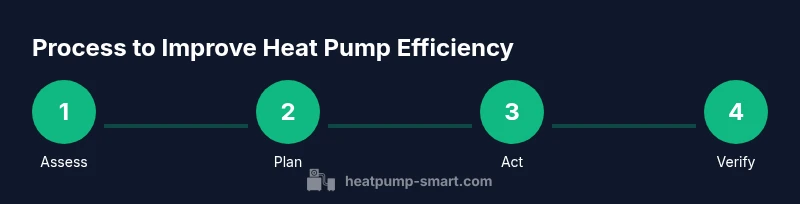
- 1
Assess current system and goals
Survey your heat pump setup, thermostat capabilities, and home insulation. Document current operating patterns and comfort concerns to target improvements.
Tip: Create a quick baseline by noting runtime and indoor temps for a typical 1-week period. - 2
Install or optimize a smart thermostat
Set up the thermostat with heat pump mode, enabling adaptive recovery and scheduling. Program occupancy-based profiles for weekdays and weekends.
Tip: Enable away modes to minimize heating when the house is unoccupied. - 3
Seal ducts and improve air leaks
Inspect ducts for leaks and seal joints. Improve envelope tightness with weatherstripping and insulation upgrades as needed.
Tip: Test duct pressure after sealing to confirm reduced leakage. - 4
Optimize seasonal settings
Adjust HVAC setpoints for seasonal comfort and efficiency. Use moderate temperatures and leverage fan operation to distribute heat.
Tip: Avoid extreme temperature setpoints that cause short cycling. - 5
Schedule regular maintenance
Arrange annual professional checks and replace filters monthly. Keep coils clean and verify refrigerant integrity.
Tip: Mark calendar reminders for maintenance to maintain momentum. - 6
Monitor performance and iterate
Compare monthly energy use before and after changes. Refine schedules and airflow based on data.
Tip: Set up simple alerts for unusual energy spikes. - 7
Educate occupants on efficient use
Share tips with household or tenants about thermostat habits and air sealing habits to sustain gains.
Tip: Post a simple usage guide near the thermostat.
Your Questions Answered
What is the most effective way to increase heat pump efficiency?
Prioritize proper sizing, install a smart thermostat, and seal ducts. Regular maintenance ensures continued efficiency.
Start with sizing, a smart thermostat, and sealing ducts for lasting efficiency.
Can I run a heat pump all day to stay warm?
Running continuously can help in very cold climates, but the best approach is to program efficient schedules and use auxiliary heat only when needed.
Use sensible schedules and limit auxiliary heat to avoid waste.
Is a larger heat pump better for efficiency?
Oversizing leads to short cycling and inefficiency. Choose a unit sized to the actual heat load with consideration for climate and insulation.
Oversizing hurts efficiency due to short cycling.
Do I need to seal ducts for efficiency?
Yes. Duct sealing reduces losses and improves system efficiency, especially for forced-air systems.
Sealing ducts cut energy waste and boost performance.
How often should I service my heat pump?
Have a professional inspection annually and replace filters monthly to maintain efficiency.
Annual professional checks and regular filter changes help.
What role does insulation play in heat pump efficiency?
Better insulation reduces heat loss, easing the load on the heat pump and improving overall efficiency.
Insulation helps your heat pump work less for the same comfort.
Watch Video
Top Takeaways
- Align sizing with load to prevent waste.
- Program smart schedules and optimize airflow.
- Seal ducts and insulate to reduce losses.
- Monitor energy use to verify gains.
- Maintain equipment for long-term performance.