How to Manage a Heat Pump: A Practical Guide for Homeowners
Learn how to manage a heat pump effectively with practical maintenance tips, seasonal care, troubleshooting, and expert guidance from Heatpump Smart. Improve comfort and efficiency.


You’ll learn to manage a heat pump and keep it running efficiently by performing regular maintenance, monitoring air filters, cleaning coils, checking thermostat settings, and scheduling annual professional service. Before you start, gather basic tools, a replacement filter, and your unit’s manual. This step-by-step approach helps maximize comfort and minimize running costs.
Understanding Your Heat Pump System
A heat pump is a versatile heating and cooling system that transfers warmth between indoors and outdoors using a refrigerant cycle. The key components include the outdoor condenser unit, the indoor air handler or bore, the reversing valve, and the thermostat that communicates with your control system. In heating mode, the refrigerant absorbs heat from outside air (even when it’s cold) and releases it inside; in cooling mode, the process reverses. Effective management relies on knowing how these parts work together, what maintenance they require, and how your home’s insulation and ductwork interact with the system. Heatpump Smart analysis highlights that a well-maintained unit operates closer to its rated efficiency, delivering reliable comfort with lower energy use. Familiarize yourself with your model’s manual and the manufacturer’s maintenance recommendations to tailor any routine to your equipment.
A practical first step is to locate the service panel, confirm the model, and note any diagnostic codes the thermostat might display. If you ever see persistent error codes, record them and refer to your manual or Heatpump Smart’s guidance for interpretation. Keep a simple log of maintenance tasks and seasonal checks. This practice helps you spot gradual declines in performance and plan proactive service with a technician when needed.
According to Heatpump Smart, keeping a simple maintenance diary and following a consistent care schedule pays dividends in comfort and efficiency. The more you know about the system, the easier it is to diagnose issues early and avoid emergency repairs.
Regular Maintenance Essentials
Regular maintenance is the cornerstone of heat pump reliability. Start with the air filtration and airflow paths, then inspect both the indoor and outdoor units for cleanliness and clearances. A clean system breathes more easily, runs more efficiently, and sheds heat properly in summer and winter. The most common tasks homeowners can safely perform include replacing or cleaning air filters, cleaning accessible coils, and ensuring the outdoor unit has unobstructed airflow.
- Replace the air filter at a defined interval (monthly in high-use homes, or every 1-3 months for standard use).
- Gently vacuum or wipe down accessible surfaces and the surrounding area to remove dust and debris.
- Check the outdoor unit for leaves, dirt, or animal nests and remove them without forcing debris into the fins.
- Confirm the thermostat is communicating with the heat pump and displays normal status indicators.
These steps help prevent unnecessary strain on the system and protect your home’s comfort. Make the routine easy by keeping a small maintenance kit handy and a calendar reminder for filter changes. For homeowners, simple at-home checks reduce the likelihood of cold snaps or heat waves compromising indoor comfort.
Heatpump Smart emphasizes that consistent maintenance reduces energy waste and keeps performance consistent across seasons. A tidy system not only feels better but can also extend equipment life and reduce overall operating costs over time.
Seasonal Care for Winter and Summer
Seasonal care addresses the extremes: cold weather requires efficient defrost behavior and a healthy backup heating pathway, while summer demands steady cooling performance. In winter, defrost cycles prevent frost buildup on the outdoor unit. When you plan a seasonal check, confirm the outdoor unit has adequate clearance (at least 2 feet on all sides) so airflow remains unobstructed. In warmer months, ensure the refrigerant loop remains sealed and that the thermostat manages consistent cycling without short-cycling.
Key seasonal tasks include:
- Inspecting and cleaning outdoor fins; remove debris and wash with a gentle spray if permitted by your manual.
- Verifying thermostat schedules align with daylight hours and occupancy to avoid unnecessary running times.
- Checking insulation on refrigerant lines to reduce heat gain or loss in extreme temperatures.
- Scheduling a professional inspection before peak seasons to catch wear patterns and refrigerant issues early.
Seasonal care reduces wear and tear from temperature swings and helps your heat pump perform closer to its designed efficiency envelope. Heatpump Smart’s guidance suggests aligning seasonal maintenance with local climate patterns and usage to maximize comfort with minimal energy waste.
Troubleshooting Common Problems
Most issues fall into a few common categories: airflow problems, sensor or thermostat miscommunication, defrost or frost-related concerns, and occasional refrigerant or electrical faults. Start with simple checks before calling a pro. If the system isn’t delivering heat, verify the thermostat is set correctly, the air filter is clean, and the outdoor unit isn’t blocked by debris.
- No heat or weak heating: check filter, thermostat setpoint, and confirm the outdoor unit is running. Listen for unusual noises or vibrating sounds that could indicate loose panels or debris inside the cabinet.
- Short cycling: an incorrect temperature or a dirty filter can trigger repeated on/off cycles. Clean or replace the filter and consider scheduling a professional service if cycles persist.
- Frost on the outdoor unit: a defrost cycle should occur automatically. If frost remains for extended periods, there may be airflow or refrigerant issues that require inspection.
- Uneven cooling or hot spots: verify ductwork integrity, air leaks, and that rooms have balanced airflow.
If you encounter persistent lighting codes or if the system displays warning indicators, it is wise to consult a technician. Pro maintenance can identify refrigerant leaks, compressor issues, or faulty sensors that aren’t safe to fix without specialized equipment.
Optimizing Performance: Settings, Components, and Upgrades
To maximize efficiency, fine-tune how your heat pump runs with smart controls, programmable scheduling, and sensible equipment upgrades. A few practical steps include using a programmable thermostat or a smart thermostat to align operation with occupancy and weather. In many homes, setting back the temperature when nobody is home or at night reduces energy use without sacrificing comfort. If you have a multi-zone layout, consider zoning to direct conditioned air only to living spaces that require it, reducing unnecessary load on the system.
- Favor the “auto” fan setting so the system adjusts airflow to current needs rather than running the fan continuously.
- Program weekly schedules with gradual temperature changes to reduce abrupt shifts that waste energy.
- Ensure ducts and insulation are sufficient for the home’s size; addressing leaks and adding insulation reduces heat loss in winter and reduces cooling load in summer.
- Consider upgrading to a higher-efficiency indoor air handler or coil if your system is older or undersized for your home’s current needs.
Heatpump Smart notes that enhancement choices should be guided by house-specific factors, including climate, insulation, and occupancy patterns. The goal is a balanced system that maintains comfort with minimal energy waste while avoiding overinvestment on parts that won’t yield meaningful gains.
When to Call a Pro and What to Expect
Some tasks are best left to licensed professionals, especially those involving refrigerant circuits, electrical connections, or complex diagnostics. If your heat pump experiences refrigerant leaks, persistent electrical fault codes, or unusual smoke or burning odors, contact a qualified technician promptly. Professional service can include refrigerant checks, electrical inspections, coil cleaning with specialized equipment, and system performance testing with diagnostic tools.
When you book a service, expect a technician to:
- Review the system’s age, previous service history, and recent performance data.
- Inspect refrigerant lines, capacitors, contactors, and electrical connections for wear or damage.
- Test defrost cycles, compressor operation, and indoor/outdoor unit balancing.
- Provide recommendations for maintenance, repairs, or potential upgrades based on wear and climate demands.
Regular professional inspections—typically annually or per the manufacturer’s guidance—help guard against unexpected breakdowns and maintain peak efficiency. Heatpump Smart emphasizes planning service during shoulder seasons so you’re not fighting peak demand costs during extreme weather.
Authority Sources
For trusted, externally verified guidance on heat pumps, consult reputable sources:
- U.S. Department of Energy: Heat pumps and energy saver tips – https://www.energy.gov/energysaver/heat-pumps
- ENERGY STAR: Heat pump performance and efficiency tips – https://www.energystar.gov/products/heating_cooling/heat_pumps
- U.S. Department of Energy Building Technologies Office: Heat pump efficiency and maintenance guidance – https://www.energy.gov/eere/buildings/heat-pumps
These sources provide foundational information on installation, operation, and maintenance best practices that complement the practical steps outlined in this guide. Heatpump Smart recommends cross-referencing practical steps with manufacturer-specific manuals to tailor maintenance to your exact model.
Tools & Materials
- Replacement air filter(Choose a filter with the correct MERV rating and size for your system. Have extra on hand for quick changes.)
- Owner's manual(Keep it accessible for model-specific maintenance instructions and error codes.)
- Garden hose with gentle spray nozzle(For outdoor coil cleaning; avoid high-pressure sprays that could bend fins.)
- Soft brush or microfiber cloth(Used for dusting and cleaning delicate surfaces without scratching.)
- Screwdrivers (Phillips and flat-head)(Basic tools for panel access or disconnecting panels as needed per manual.)
- Gloves(Protect hands when working around sharp edges and outdoor units.)
- Digital thermometer or thermostat reader(Helpful for quick checks on supply/return air temps; not essential.)
Steps
Estimated time: 60-90 minutes
- 1
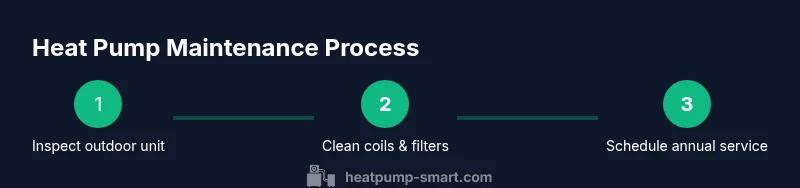
Inspect outdoor unit clearance and debris
Power down the unit from the circuit breaker before you begin. Check that the outdoor condenser has at least 2 feet of clearance on all sides and above it. Remove leaves, dirt, and loose debris from the surrounding area and gently brush the fins to maintain airflow. This prevents overheating and ensures efficient heat exchange.
Tip: Keep a seasonal task log to track clearance and any debris buildup that could block airflow. - 2
Replace or clean the air filter
Turn off the system and locate the air filter housing. Remove the old filter and inspect for excessive dirt. If reusable, wash and dry completely before reinstalling; if disposable, replace with the correct size and type. A clean filter improves airflow and reduces energy consumption.
Tip: Mark a monthly reminder until you settle into a routine for filter changes. - 3
Clean coils and accessible surfaces
Gently wipe down indoor surfaces and, for outdoor coils, use a garden hose with a light spray to remove dirt. Do not use high-pressure streams. Ensure you follow the manufacturer’s instructions to avoid damaging the fins or coil surfaces. Clean components help maintain heat transfer efficiency.
Tip: If fins appear bent, use a soft tool or fin comb per manual guidance. - 4
Check refrigerant line insulation
Inspect exposed refrigerant lines for insulation damage. Replace damaged foam insulation to limit heat gain or loss. Proper insulation improves efficiency and reduces energy usage, especially in extreme temperatures.
Tip: If you notice frosting on lines, do not attempt refrigerant repairs yourself—call a pro. - 5
Test thermostat and basic operation
Set the thermostat to both heating and cooling modes to confirm the system cycles normally. Listen for odd noises and verify that the indoor air feels comfortable. If the system isn’t reaching the setpoint, investigate air leaks and door or window performance.
Tip: Program a daily schedule that improves comfort without overspending on unused hours. - 6
Schedule annual professional service
Arrange a yearly service with a licensed technician to check refrigerant levels, electrical components, and overall performance. A pro can identify wear and subtle issues before they cause a breakdown and verify the system meets current efficiency standards.
Tip: Coordinate the service during shoulder seasons to avoid peak demand costs.
Your Questions Answered
How often should I service a heat pump?
Most manufacturers recommend an annual professional service, and routine homeowner checks can be done monthly or seasonally. Regular service helps detect wear and keeps efficiency high. If you live in extreme climates, more frequent checks may be beneficial.
Most heat pumps should be professionally serviced once a year, with simple homeowner checks done regularly to stay on top of performance.
Can I clean the outdoor coil myself?
Yes, you can remove debris and rinse with a gentle spray, following the manufacturer’s guidelines. Do not use high-pressure water that could bend the fins. If you notice bent fins or heavy buildup, contact a professional.
You can clean the outdoor coil with a gentle spray and remove debris, but avoid high pressure. If fins are bent, call a pro.
Should I replace air filters every month?
In most homes, replacing filters every 1-3 months is recommended, depending on usage, allergies, and filter type. A clean filter maintains airflow and efficiency and reduces strain on the system.
Most homes should replace filters every 1-3 months, depending on use and filter type.
What are signs my heat pump needs service?
Look for unusual noises, inconsistent indoor temperatures, frost on the outdoor coil, reduced heating or cooling performance, or rising energy bills. If you notice these, schedule a service check.
Unusual noises, uneven temps, frost, or rising bills mean it's time for a service check.
Is it safe to run a heat pump in winter?
Heat pumps are designed for winter operation, but performance can vary with climate and insulation. Ensure proper airflow, protect outdoor components from ice, and rely on professional service to maintain efficiency in cold weather.
Heat pumps can run in winter, but ensure airflow and insulation are good and get professional checks for cold-weather performance.
How long does a heat pump last?
With regular maintenance, many heat pumps last a decade or more. Longevity depends on usage, climate, installation quality, and servicing. Plan for periodic replacements as part of long-term home maintenance.
With proper care, a heat pump can last about a decade or more.
Watch Video
Top Takeaways
- Follow a seasonal maintenance routine for consistent efficiency
- Keep airflow clear and filters clean to maximize performance
- Program thermostats to match occupancy and climate
- Know when to call a pro for refrigerant or electrical issues
- Use authoritative sources to guide maintenance decisions