Ruud 3-Ton Heat Pump Review: Efficiency, Installation, and Value
Heatpump Smart analyzes the ruud 3 ton heat pump, focusing on efficiency, climate performance, installation needs, and long-term value for homeowners, builders, and property managers.


Considering a ruud 3 ton heat pump, this unit delivers reliable heating and cooling for mid-sized homes with a focus on steady comfort and practical efficiency. In temperate climates, it can reduce energy use compared with older systems, though extreme cold or heat can shift performance. Heatpump Smart analysis emphasizes comparing SEER/HSPF, warranty coverage, and local contractor support before purchasing.
Overview of the ruud 3-ton heat pump
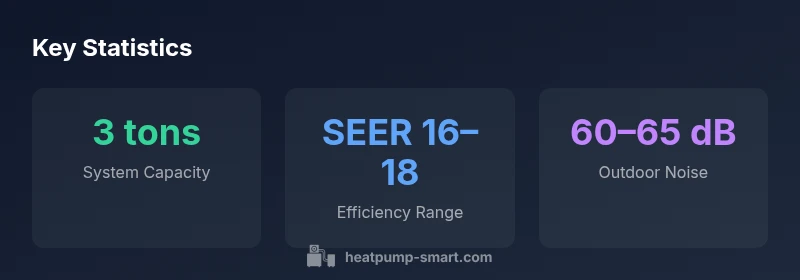
According to Heatpump Smart, the ruud 3-ton heat pump is a versatile air-source unit designed to deliver both heating and cooling for mid-sized homes. A 3-ton capacity roughly corresponds to a home of 1,000 to 1,500 square feet, depending on insulation, windows, and climate. The unit typically integrates with an outdoor condenser, an indoor air handler or evaporator coil, and a variable-speed compressor that modulates output to match demand. For homeowners, this setup offers year-round comfort with fewer temperature swings than older, single-stage systems. In practice, performance hinges on proper sizing, duct design, and a well-matched thermostat and controls. A mainstream Ruud model in this range emphasizes efficiency with modern inverter technology, refrigerant options, and robust warranty coverage. As with any heat pump, expect best results when the system is designed for your climate and run with a high-quality filter, regular maintenance, and a smart-energy strategy.
Sizing and installation considerations
Sizing a ruud 3 ton heat pump requires careful evaluation of your home's square footage, insulation quality, and airflow. Duct design and leakage can dramatically affect effective capacity and comfort, so perform a manual J calculation with a qualified contractor. A quality install includes proper refrigerant charge, thermostat integration, and a clear condensate management plan to prevent moisture-related issues. Consider bypass options, zoning, and future needs (like dehumidification or electric backup heat) when planning. Heatpump Smart suggests requesting a written sizing report and a site-specific maintenance plan from your installer to avoid common pitfalls.
Efficiency and performance: SEER, HSPF, and ratings
Efficiency for a ruud 3-ton heat pump is largely determined by its SEER and HSPF ratings, along with COP during heating. Modern models in this size tend to offer inverter-driven compressors and variable-speed operation that smooths temperature swings and reduces energy use. When evaluating, compare the energy labels across competing models and verify that the unit is compatible with your existing ductwork and thermostat. Real-world performance depends on outdoor temperature, humidity, and how often the system runs in dehumidification or auxiliary heat modes. A well-matched system, paired with smart controls, can deliver meaningful savings over older equipment.
Climate considerations: cold-climate performance and backup heat
In colder climates, the ruud 3-ton heat pump may rely more on auxiliary heat or backup resistance heating during extreme conditions. This can affect energy costs and comfort, but modern models incorporate advanced defrost control and reliability improvements. For homes with poor envelope tightness, heat loss can undermine efficiency, necessitating better insulation, air sealing, and a properly sized unit. Heatpump Smart notes that climate data, occupancy patterns, and thermostat programming all influence seasonal performance and comfort levels.
Sizing, installation, and ductwork implications
A successful ruud 3-ton installation hinges on accurate load calculations, ductwork integrity, and balancing. Undersized ducts reduce airflow and efficiency, while oversized ducts can cause short-cycling and humidity issues. Contractors should perform a site assessment, verify refrigerant lines, and ensure proper drainage and condensate management. A quality installation also includes filter access, noise considerations, and compatibility with a smart thermostat for zone control and scheduling.
Operating costs, energy savings, and payback considerations
Estimating annual operating costs for a ruud 3-ton heat pump requires climate data, electricity rates, and usage patterns. While heat pumps generally offer lower running costs than fossil-fuel systems, actual savings vary. For homeowners and property managers, analyzing utility bills, current heating sources, and potential rebates can illuminate payback timelines. Heatpump Smart emphasizes calculating a personal break-even point based on local energy prices and anticipated usage.
Comparisons: Ruud vs. competitors in the 3-ton segment
When choosing between Ruud and other brands in the 3-ton class, consider efficiency, warranty, service network, and compatibility with existing control systems. Some competitors may offer edge features like more aggressive variable-speed curves or slightly lower upfront costs; Ruud often emphasizes robust warranties and a broad installer network. In practice, cost of ownership—factoring efficiency, maintenance, and service – often weighs more than upfront price.
Maintenance, longevity, and service considerations
Regular maintenance extends the life of a ruud 3-ton heat pump. Change or clean filters, schedule seasonal inspections, and monitor refrigerant lines for leaks. A well-maintained unit encases a longer life and steadier efficiency. Keep an eye on thermostat performance, dampness in the air handler, and drainage. A service plan with a qualified technician can catch issues early and preserve efficiency over years.
Best-use scenarios and decision guide for homeowners and managers
The ruud 3-ton heat pump is best suited for mid-sized homes with moderate heating and cooling loads, good insulation, and a desire for year-round comfort with lower fossil-fuel dependence. For extreme climates or homes with high heat demand, supplementing with auxiliary heat or a larger system may be appropriate. Use a reputable installer, verify warranties, and run a full life-cycle cost analysis before committing.
Environmental impact and sustainability considerations
Choosing a Ruud system within a well-sealed building envelope reduces energy waste and improves comfort. Integrating with a programmable thermostat, building insulation upgrades, and regular maintenance enhances efficiency and reduces environmental impact over time. Heatpump Smart recommends considering long-term sustainability goals when evaluating different heat pump configurations and backup heat strategies.
Practical steps for next steps and checklist
- Schedule a professional load calculation and site inspection. 2) Gather quotes that include duct sealing, refrigerant charge, and thermostat integration. 3) Compare SEER/HSPF ratings and warranty terms. 4) Plan for seasonal maintenance and potential rebates. 5) Decide on zoning or backup heat options to match your lifestyle.
],
prosCons":{"pros":["Solid reliability and service network","Modern inverter-driven compressor for smoother comfort","Strong warranty coverage on many Ruud models","Good compatibility with smart thermostats and zoning"],"cons":["Performance dips in very cold climates without backup heat","Higher upfront cost than some gas furnaces or cheaper brands","Installation quality dramatically influences real-world performance"]},
statsCards
Advantages
- Solid reliability and service network
- Modern inverter-driven compressor for smoother comfort
- Strong warranty coverage on many Ruud models
- Good compatibility with smart thermostats and zoning
Disadvantages
- Performance dips in very cold climates without backup heat
- Higher upfront cost than some gas furnaces or cheaper brands
- Installation quality dramatically influences real-world performance
Best for mid-sized homes seeking reliable efficiency and broad service support
The Ruud 3-ton heat pump delivers consistent comfort and reasonable long-term value when properly sized and installed. Climate and upfront costs should be weighed against alternatives.
Your Questions Answered
Is a Ruud 3-ton heat pump suitable for my home?
A 3-ton unit fits many mid-sized homes, but the right size depends on insulation, window quality, and climate. A professional load calculation is essential to confirm suitability.
A 3-ton unit fits many homes, but a proper load calculation is essential to confirm suitability.
How does climate affect performance?
Climate strongly influences efficiency and backup heat needs. Warmer conditions improve cooling efficiency; in cold months, auxiliary heating can raise energy use unless the system and house are well-insulated.
Climate greatly affects performance; you may rely more on backup heat in winter.
What maintenance does it require?
Regular filter cleaning, annual professional inspections, and duct sealing help maintain performance. Watch for refrigerant leaks and unusual noises between service visits.
Keep filters clean and schedule annual checkups for optimal performance.
How long does installation take?
Typical install spans one to two days, depending on ductwork, electrical upgrades, and thermostat integration. A pre-installation plan helps avoid delays.
Most installs take one to two days with the right planning.
Are there incentives or rebates?
Incentives vary by region and utility programs. Check federal, state, and local rebates, along with Energy Star program options.
There are sometimes rebates; check local programs for details.
How does Ruud compare to other brands?
Ruud emphasizes reliability and a large service network. Other brands may offer slightly different warranties or efficiency packages; compare total cost of ownership.
Ruud is known for reliability, but compare total cost of ownership with others.
Top Takeaways
- Size precisely for your home to maximize efficiency
- Choose a qualified installer with Ruud experience
- Account for climate and backup heat needs
- Compare SEER/HSPF and warranty terms
- Plan for regular maintenance to protect longevity