Carrier 3 Ton Heat Pump: A Practical Guide for Homeowners
Explore the Carrier 3 ton heat pump: sizing, efficiency, installation tips, maintenance, and smart controls to maximize home comfort and energy savings.


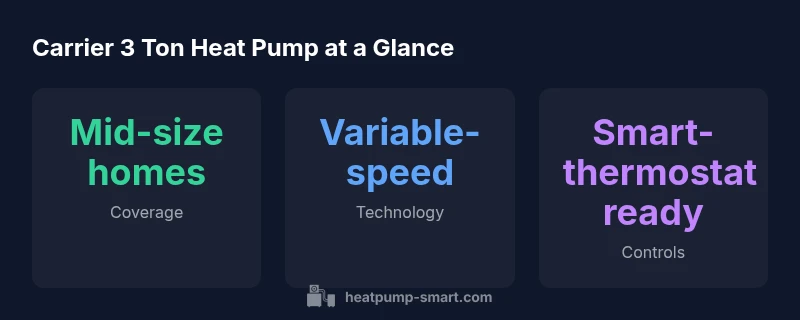
The Carrier 3 ton heat pump is designed for mid-size homes, delivering both heating and cooling with high efficiency across typical residential climates. It employs variable-speed or inverter-driven compressors for steady temperature and quieter operation, compatible with smart thermostats and modern zoning. Real-world efficiency depends on climate, insulation, duct performance, and proper sizing by a licensed installer.
Overview of the Carrier 3 Ton Heat Pump Design
The Carrier 3 ton heat pump is engineered to provide efficient climate control for mid-sized homes. In ducted systems, it pairs with an air handler and variable-speed compressor to modulate output as the thermostat calls for heat or cool air. Outdoor unit houses the compressor and condenser, while the indoor equipment handles airflow and filtration. The other model range includes units with multi-speed or inverter-driven compressors that adjust capacity to match demand, reducing energy use during mild days. Proper installation matters: a sealed refrigerant loop, correctly sized ductwork, and a correctly charged refrigerant charge all impact performance. In colder climates, some models include an auxiliary heat strip or backup resistance to boost heat when temperatures plunge; however, the heat pump continues to be the main source of heat as long as outdoor temperatures permit. For homeowners, this means fewer fluctuations and more consistent comfort.
Efficiency, Performance, and Features
Carrier 3 ton systems emphasize efficiency and flexible operation. Depending on the model, SEER ratings range broadly and HSPF values reflect heat pump heating efficiency. Inverter-driven or variable-speed compressors allow the system to ramp up or down gradually, rather than on/off cycling, which reduces wear and noise. Many units support smart thermostats, enabling scheduling, remote access, and energy-use insights. Zoning compatibility lets you direct conditioned air to areas that need it, improving comfort and minimizing wasted energy. Filtration options, humidity control, and quiet outdoor operation are common selling points. In practice, the best performance comes from a system that is properly matched to your home's loads, sealed ducts, and a well-insulated envelope. Heatpump Smart notes that real-world results depend on climate, home tightness, and how well the installation is executed.
Sizing, Installation, and Best Practices
Accurate sizing starts with a professional load calculation (Manual J) and an evaluation of your ductwork. A 3 ton unit may fit many homes, but improper sizing leads to short cycling or insufficient heating on cold days. Ensure line sets, refrigerant charge, and insulation are up to spec. The installer should verify duct static pressure, refrigerant charge, and system commissioning after installation. Permits, code compliance, and quality equipment matching are critical. Carrier models vary by region, so collaborate with a licensed installer to select the right configuration for your climate and home—this ensures optimal performance and longevity.
Operating Costs, Savings, and Payback
Energy costs depend on local electricity rates, climate, and how well the system is matched to your home. A properly installed Carrier 3 ton heat pump can deliver significant energy savings relative to older fossil-fuel systems, especially when paired with a programmable or smart thermostat and good insulation. Savings are higher in milder climates or during seasons with moderate cooling and heating needs. It’s important to view the payback as a function of efficiency gains, not just upfront price. The Heatpump Smart team emphasizes considering installation quality, duct sealing, and routine maintenance when estimating long-term savings.
Maintenance, Warranty, and Longevity
Routine maintenance extends the life of a Carrier 3 ton heat pump. This includes annual professional inspections, filter replacements, and coil cleanings as needed. Keep the condenser and evaporator coils clean, check refrigerant levels, and ensure the outdoor unit has adequate clearance for airflow. Warranties vary by model and region, so review the coverage for compressor, outdoor unit, and internal components. With proactive maintenance, the system can deliver reliable comfort for well over a decade in many homes.
Smart Controls, Zoning, and Home Integration
Modern Carrier installations often support smart thermostats, app-based monitoring, and compatibility with zoning systems. This enables precise temperature control in different rooms, scheduling, and remote diagnostics. If you plan a zoned approach, ensure ductwork and air distribution are designed to support separate zones without creating pressure imbalances. Integration with voice assistants or home automation platforms is increasingly common, so verify compatibility during purchase and with your installer.
Carrier 3 Ton: Key specs at a glance
| Aspect | Carrier 3 Ton Heat Pump | Typical Range/Notes |
|---|---|---|
| Efficiency (SEER) | 14–20 SEER | Model-dependent |
| Heating (HSPF) | 8–10 HSPF | Model-dependent |
| Noise (Outdoor) | 58–70 dB | Outdoor unit varies by model |
| Smart Controls | Yes (thermostats/zoning) | Depends on configuration |
Your Questions Answered
Is a 3 ton Carrier heat pump suitable for my home?
Suitability depends on your home's size, insulation, and climate. A licensed installer should perform a load calculation to confirm the right size, ensuring efficient operation and comfort.
A professional load check is essential to confirm if a 3 ton unit fits your home’s needs.
What factors affect cost and payback?
Cost is influenced by unit configuration, ductwork, permits, and installation complexity. Energy savings depend on climate and usage patterns; rebates and incentives can shorten payback.
Installation details and climate determine cost and how quickly you see payback.
How long does a Carrier 3 ton heat pump last?
With regular maintenance, expect about a decade or more of useful life. Warranties vary by model and region, so review coverage with your installer.
Most units last around ten years with good care.
What maintenance is required?
Replace filters regularly, schedule annual professional inspections, and keep coils clean. Check refrigerant levels and ensure outdoor clearance for airflow.
Change filters, have yearly checkups, and keep the outdoor unit clear.
Can I install a Carrier heat pump myself?
No. Heat pump installation requires licensed professionals, proper refrigerant handling, and permits to ensure safety and code compliance.
Don't attempt a DIY install—it's hazardous and often illegal.
“When correctly sized and installed, a Carrier 3 ton heat pump delivers noticeable comfort and energy savings across seasons.”
Top Takeaways
- Assess your home size before choosing a unit
- Prioritize proper sizing and ductwork during installation
- Pair with a smart thermostat for best savings
- Expect energy savings to vary with climate and insulation
- Schedule regular maintenance to extend life