Do Heat Pumps Take A While To Heat Up? Explained
Explore why heat pumps sometimes start slowly, what affects warm-up time, and practical tips to speed up warmth while saving energy.


Do Heat Pumps Warm Up Differently From Fossil-Fuel Systems?
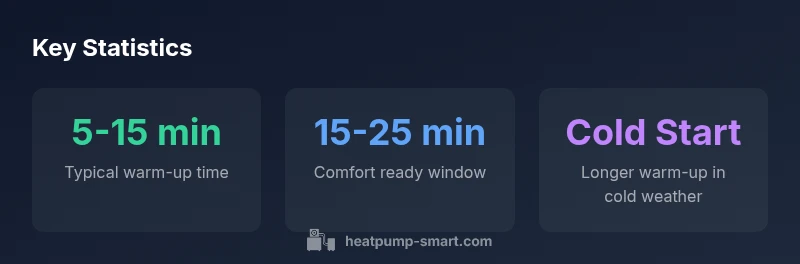
When homeowners ask whether do heat pumps take a while to heat up, the quick answer is that they heat differently than furnaces or boilers. Heat pumps don't generate heat from fuel; instead, they move heat from the outside air into the home using a refrigerant cycle. As a result, you might notice a delay before the space feels very warm, especially when outdoor temperatures are low. According to Heatpump Smart, you should expect a short warm-up period, followed by rapid ramp-up once the system detects a demand for heat and the indoor thermostat calls for a higher temperature. The exact timing varies with outdoor temperature, insulation, system size, and whether auxiliary heat is used. In milder weather, the warm-up can feel immediate, while in cold snaps you may still experience a few minutes of gentler warmth as the compressor and reversing valve begin to move heat into living spaces. It is important to distinguish between the initial noticeable warmth and the point at which the space reaches the target comfort level. Do heat pumps take a while to heat up? Yes, but the duration is usually manageable and can be optimized with proper sizing, controls, and maintenance.
Factors That Influence Warm-Up Time
Several real-world variables determine how quickly a heat pump delivers noticeable warmth after a cold start. Outdoor temperature is the primary driver: when the air is very cold, the system must work harder to extract heat, which can lengthen the warm-up period. Indoor conditions, such as insulation quality, window performance, and air sealing, determine how fast that heat is felt across rooms. System sizing also matters: an oversized unit can shorten the warm-up while cycling too much, and an undersized unit may stall or run longer to reach comfort. Thermostat strategy—whether you set a high setback, a moderate cycle, or a constant target—shapes perceived warmth. Finally, the presence of auxiliary heat (electric resistance coils or a backup boiler) can dramatically speed warmth, especially during cold snaps, but it adds to operating cost. Understanding these factors helps homeowners plan for initial comfort and set expectations for the first 15–30 minutes after startup.
Types of Heat Pumps and How They Heat Up
Air-source heat pumps (ASHPs) typically heat up quickly when outdoor temperatures are moderate, because heat exchange with outside air is efficient. Geothermal heat pumps pull heat from the ground or groundwater, which remains relatively stable year-round, often delivering more consistent warm-up times in winter. Ductless mini-splits heat individual zones, which can make warm-up feel faster in occupied spaces. Inverter-driven compressors adjust output smoothly, reducing start-up surges and improving perceived warmth. Older, non-inverter models may feel slower to respond because the compressor ramps up gradually. Regardless of type, proper refrigerant balance, clean coils, and professional sizing enhance responsiveness and reduce delays.
Thermostat Controls, Defrost Cycles, and Perceived Warmth
Thermostats play a crucial role in how quickly warmth is perceived. A higher indoor setpoint triggers faster heat flow, but large delta between indoor and outdoor temperatures can delay comfort as the system works to close the gap. Defrost cycles, essential in cooler climates, can briefly reduce indoor warmth during cold snaps. Smart thermostats and zoning systems help by prioritizing occupied rooms and modulating fan speeds, so heat feels warmer sooner in the spaces that matter. For homeowners, programming a gentle ramp-up and maintaining reasonable temperature differentials minimizes cold starts and improves overall efficiency.
Cold Weather Realities: What Happens to Warm-Up Time
In cold weather, heat pumps often rely on auxiliary heat to meet demand when outdoor heat is scarce. This is normal and speeds warmth, but it raises energy use. The key is knowing when auxiliary heat activates, how to limit its use, and how to configure the system for winter operation. Tight building envelopes and sealed ducts reduce heat loss, allowing the heat pump to reach comfort faster. For retrofit projects, verify refrigerant charge, seal ducts, and address air leaks. With proper setup, even in sub-freezing conditions, most homes reach comfortable warmth within a predictable window, rather than lingering cold.
Quick Wins: How to Speed Up Warm-Up
- Improve building envelope: add insulation, seal cracks, and upgrade ducts to minimize heat loss.
- Optimize thermostat strategy: use a gentle ramp rather than a sudden jump to target temperature.
- Ensure proper sizing: a correctly sized unit heats faster and runs more efficiently.
- Maintain equipment: replace filters, clean coils, and perform annual professional checks.
- Use auxiliary heat strategically: enable it only when needed and program to minimize energy use while keeping comfort.
- Consider zone control: prioritize living areas where warmth matters most to occupants.
Maintenance, Sizing, and Professional Setup for Faster Warm-Up
Most warm-up delays are avoidable with proper sizing and routine maintenance. A heat pump should be sized to the home’s heat load, not just its square footage, to prevent oversizing or undersizing that can slow warm-up or waste energy. A professional installer should verify refrigerant charge, airflow, duct pressures, and defrost strategies for cold-weather performance. Regular maintenance, including filter replacement and coil cleaning, helps keep the system responsive. If a unit has not been serviced in several years, expect longer warm-up times and less consistent comfort. The investment in correct sizing and routine service pays off with faster warm-up, improved efficiency, and fewer cold-start complaints.
Real-World Expectations: Mild vs Cold Climates and Retrofit Scenarios
In mild winters, a well-tuned heat pump can feel nearly instantaneous, with warm air flowing within minutes of turning on the system. In very cold climates, the warm-up period may extend, and you may rely on auxiliary heat during peak demand. For retrofit projects, existing ductwork and the home’s thermal envelope play a large role; upgrading insulation and sealing gaps yields a noticeable difference in warm-up speed. For new builds, selecting a high-efficiency inverter-driven heat pump with proper duct design can minimize delays and deliver comfortable warmth quickly. Overall, do heat pumps take a while to heat up? The answer is nuanced: speed depends on climate, equipment, and how well the system is installed and maintained. With the right combination, you can expect a warm, comfortable environment within a predictable window while balancing energy use.