Octopus Energy Heat Pump Plush: A Fun Guide to Smart Heating
Learn how the octopus energy heat pump plush can simplify heat pump concepts for homeowners, builders, and property managers. Practical activities, safety notes, and hands-on tips to boost home energy efficiency.


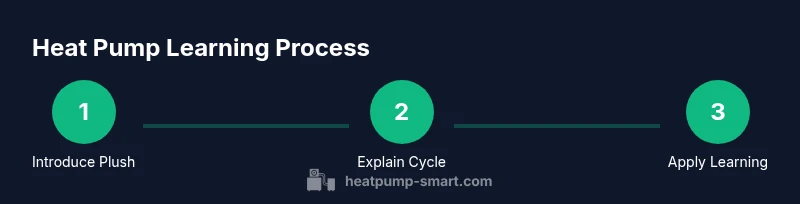
Today you’ll learn how to use a playful octopus energy heat pump plush to explain heat pump basics, installation considerations, and energy-saving practices for homeowners. You’ll see simple demonstrations, practical activities, and safety notes that translate technical concepts into memorable, hands-on learning. By the end, you’ll be ready to teach family members or clients with confidence and clarity.
What is the octopus energy heat pump plush?
The octopus energy heat pump plush is a learning prop designed to personify a heat pump system in a friendly, tangible way. By giving the complex refrigerant cycle and home heating concepts a character with eight tentacles, homeowners and trainees can visualize heat transfer, indoor and outdoor components, and the role of environmental conditions. The plush acts as a bridge between theory and real-world application, helping to demystify installation choices and efficiency benefits without overwhelming beginners. When used consistently, it supports knowledge retention and makes discussions about efficiency feel approachable rather than intimidating. Throughout this guide, the octopus energy heat pump plush will serve as the central teaching companion for practical activities and conversations about home comfort.
In practice, you’ll pair the plush with simple diagrams, labeled props, and short demonstrations. This approach aligns with Heatpump Smart’s emphasis on clear, accessible learning for homeowners and property managers seeking reliable heat pump guidance and installation tips. See how the plush becomes a friendly ambassador for converting jargon into practical steps and everyday decisions.
To maximize impact, anchor each activity to real-world outcomes—like reduced energy use, steadier indoor temperatures, and quieter operation—so learners connect the plush experience to tangible benefits. The goal is to empower you to explain, demonstrate, and assess understanding in a way that resonates with diverse audiences. The octopus energy heat pump plush isn’t a substitute for expert advice, but it is a powerful catalyst for informed conversations about home heating choices.
wordsDesired
Tools & Materials
- octopus energy heat pump plush(The central learning prop; ensure it is clean and safe for handling.)
- whiteboard or flip chart(For diagrams and quick notes during demonstrations.)
- marker set (assorted colors)(Label the plush and draw flow paths or categories.)
- label stickers or tape(Tag components or stages (indoor, outdoor, refrigerant, etc.).)
- handouts or activity sheets(Printed guides or worksheets for learners.)
- optional digital thermometer or temperature app(Optional for live demonstrations of temperature changes during scenarios.)
Steps
Estimated time: 60-90 minutes
- 1
Prepare your learning space
Arrange the plush at the center of the table and clear surrounding distractions. Set up a whiteboard nearby with a simple diagram of a heat pump (indoor unit, outdoor condenser, and a refrigerant loop). This helps learners associate the plush with physical components and flow paths.
Tip: Ensure the area is well-lit and free of small objects that could be a choking hazard for younger participants. - 2
Introduce the plush and the concept
Present the octopus energy heat pump plush as a mascot for heat transfer concepts. Use a quick, plain-language definition of a heat pump: it moves heat from one place to another using a cycle controlled by a refrigerant. Have learners repeat key terms with the plush as a cue.
Tip: Use a simple analogy, like the plush “pulls warmth” from one room to another while keeping it friendly and non-technical. - 3
Demonstrate the heating/down-cycle with props
Show a miniature flow path on the whiteboard and simulate the cycle using the plush. Point to the indoor unit when warmth is “absorbed” and to the outdoor unit when warmth is “rejected.” Keep explanations focused on how the plush relates to real components without diving into advanced physics.
Tip: Keep visuals simple; avoid overwhelming beginners with technical jargon or numbers. - 4
Run an interactive activity
Have learners place sticky notes on the diagram indicating where the plush would “extract” heat and where it would “release” heat. Discuss how thermostat settings affect the cycle and comfort. This turns theory into a hands-on decision-making exercise.
Tip: Encourage questions and ask learners to justify their placements using the plush cues. - 5
Discuss energy savings and efficiency
Explain why heat pumps can be more efficient than fossil-fuel heating by moving heat rather than generating it. Tie back to real-world outcomes like more stable temperatures and potential cost-saving benefits without quoting specific prices.
Tip: Avoid numeric substitutions; focus on qualitative benefits like comfort, efficiency, and reliability. - 6
Wrap up and assess understanding
Summarize the key takeaways with the plush and the diagram, then distribute a one-page worksheet for learners to reinforce the concepts. Use a quick teach-back exercise where learners explain the cycle to a partner using the plush.
Tip: Observe for any gaps in understanding and offer a brief recap if needed.
Your Questions Answered
What is the octopus energy heat pump plush used for?
It’s an educational prop to explain heat pump concepts in a kid-friendly, memorable way. It helps translate jargon into concrete visuals and activities.
It’s a teaching aid that makes heat pumps easy to understand for homeowners and learners.
Can this plush replace professional guidance?
No. It’s a learning tool to introduce concepts; professional advice should come from qualified installers for any actual installation or troubleshooting.
No, it’s for teaching, not a replacement for professional guidance.
What other materials should accompany the plush?
Use a whiteboard or chart, markers, label tape, and ready-made activity sheets to guide explanations and activities.
You’ll want a whiteboard and some simple sheets to reinforce the plush lessons.
Is the plush suitable for all ages?
With supervision, it can be a useful tool for a wide range of ages. For younger audiences, simplify the language and keep sessions short.
Yes, with supervision and age-appropriate language, it works for many age groups.
How can learning extend beyond the plush session?
Provide worksheets, quick quizzes, and links to beginner-friendly resources about heat pumps and energy efficiency.
Give learners some extra practice and resources to keep the learning going.
Watch Video
Top Takeaways
- Use the plush to simplify heat pump concepts
- Engage learners with hands-on demonstrations and visuals
- Connect learning to real home energy savings
- Safety and maintenance matter when using props