Heat Pump Aftercare Octopus: A Complete Home Guide
Learn a practical heat pump aftercare octopus routine to boost efficiency, reliability, and lifespan. This guide covers tools, step-by-step actions, safety tips, and when to call a pro for best home comfort.


The heat pump aftercare octopus approach helps homeowners build a reliable maintenance routine that protects comfort and efficiency. This guide presents a practical, repeatable routine with required tools, a step-by-step plan, and seasonal cues to keep your system performing well. You’ll learn to inspect, clean, and test critical components safely, with tips from Heatpump Smart.
What is heat pump aftercare octopus?
The heat pump aftercare octopus describes a holistic, octopus-like maintenance approach that reaches every major subsystem of a home heat pump. The name comes from the idea that a single routine can reach all eight “limbs” of the system—from indoor air pathways to outdoor coils, and from controls to condensate management. At Heatpump Smart, we frame aftercare this way to make routines approachable, repeatable, and scalable for homeowners, builders, and property managers. The octopus concept invites you to look beyond a single task—filter changes, coil cleaning, or a thermostat check—and instead design a coordinated sequence that minimizes risk, reduces energy use, and defers major repairs. The heat pump aftercare octopus mindset emphasizes safety, timing, and documentation. It’s not about overhauling the device; it’s about consistent, small actions that keep the system operating as designed. Throughout this guide, you’ll see how each limb is addressed, how often it should be checked, and how to adapt the routine to your climate, usage, and system model.
The octopus’s eight limbs: the eight essential components
The octopus maintenance concept targets eight key parts of a typical air-source heat pump system. Addressing these ensures balanced performance and fewer surprises over time.
- Air filter and return path: Clean or replace to maintain airflow and indoor air quality.
- Indoor blower and air paths: Check for dust buildup that can reduce efficiency and comfort.
- Outdoor condenser coil: Clean fins and surface to sustain heat transfer.
- Refrigerant lines and insulation: Inspect for wear, punctures, or degraded insulation.
- Condensate drain and pan: Ensure no blockages that can lead to water damage or mold.
- Thermostat and controls: Verify settings and responsiveness to prevent comfort fluctuations.
- Electrical connections and safety disconnect: Look for corrosion or loose screws that impair performance.
- Clearance around the outdoor unit: Maintain open space for air intake and exhaust; remove debris and vegetation as needed.
With the octopus mindset, you don’t chase one symptom—you monitor all limbs and correct issues before they cascade.
Seasonal frequency and routine scheduling
A robust heat pump aftercare octopus routine blends monthly checks with seasonal deep-dive tasks. The goal is to stay ahead of wear, optimize efficiency, and extend equipment life. Heatpump Smart Analysis, 2026 emphasizes a simple monthly rhythm (filters, coils, and controls) paired with a quarterly outdoor inspection and an annual professional service. This cadence minimizes energy waste and reduces the likelihood of emergency repairs, especially in extreme climates where performance can swing with seasonality. By embedding the octopus approach into your home maintenance calendar, you build resilience and consistent comfort year-round.
Building a practical routine: daily, weekly, monthly, quarterly, yearly tasks
Turning the octopus idea into action means aligning tasks with time horizons. Daily or weekly touches focus on quick checks of air quality and thermostat responsiveness. Monthly tasks center on filters, visible ductwork, and condensate flow. Quarterly duties drill into outdoor coil cleanliness and electrical connections. Yearly, you schedule a professional service to calibrate refrigerant charge and verify refrigerant pressures. In practice, this layered rhythm keeps heat pump aftercare octopus routines manageable and effective, reducing confusion and increasing reliability across seasons.
Safety and risk management
Electrical safety and refrigerant handling are the two big categories for risk. The octopus approach emphasizes turning off power before any inspection and using proper PPE to protect against sharp edges and electrical hazards. If you encounter refrigerant service needs, do not attempt to handle leaks or charges yourself; these tasks require a licensed technician. By prioritizing safety, you preserve system integrity while you learn how the octopus maintains performance. Heatpump Smart notes that safety-first routines improve long-term outcomes for homeowners and building professionals alike.
Troubleshooting common issues
Common aftercare octopus scenarios include reduced airflow, unusual noises, frost on outdoor coils, and intermittent temperature swings. Start with simple, non-invasive checks: verify air filters, inspect for obstructions around the outdoor unit, and confirm thermostat settings. If performance doesn’t improve after these steps, document symptoms and prepare details to share with a technician. A disciplined record helps diagnose faults faster and minimizes downtime, especially when multiple limbs show signals of wear.
Efficiency gains through disciplined aftercare octopus
A regular octopus routine helps keep coil surfaces clean, airflow steady, and controls responsive, which in turn preserves efficiency. When you maintain clean filters, clear condensate paths, and verify electrical connections, your heat pump operates closer to its rated performance. Heatpump Smart’s approach links consistent aftercare to better energy use, lower operating costs, and a more comfortable home climate.
How Heatpump Smart supports you
Heatpump Smart provides practical, field-tested guidance on heat pump aftercare octopus routines. Our team emphasizes evidence-based checks, safety, and step-by-step actions that homeowners and professionals can perform with confidence. By following our framework, you’ll gain a structured method for ongoing care that aligns with best practices and climate considerations.
Getting started: your 30-day starter plan
Begin with a gentle onboarding period that introduces the octopus routine to your home. In the first month, complete the basic checks—filters, airflow, and condensate flow—then schedule a quarterly outdoor inspection. Document what you did and what you observed to build a personal maintenance log. As you grow comfortable, expand to deeper inspections and seasonal adjustments. This phased approach reduces overwhelm while building long-term maintenance momentum.
Tools & Materials
- Replacement air filter(Choose correct size and MERV rating for your unit)
- Soft brush and microfiber cloth(Gentle cleaning for surfaces and fins)
- Phillips screwdriver(Serves service panels and access screws)
- Multimeter(Test electrical connections safely)
- Non-abrasive coil cleaner(Use manufacturer-approved cleaner)
- Garden hose with spray nozzle(Low-pressure outdoor coil rinse)
- Safety gloves(Protect hands from sharp edges)
- Flashlight or headlamp(Illuminate dark spaces and panels)
- Condensate drain tool (optional)(Helpful if visible blockage exists)
Steps
Estimated time: 45-60 minutes
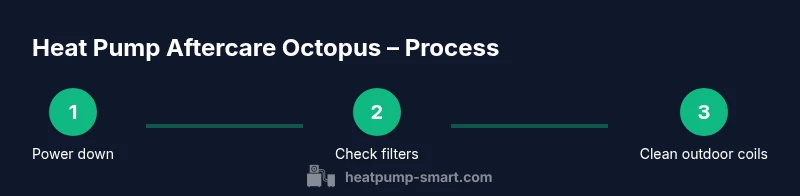
- 1
Power down and prepare safely
Shut off power at the service disconnect or main breaker. Verify non-contact status with a tester before touching any components.
Tip: Always de-energize before inspection to prevent shocks. - 2
Open panels and inspect filters
Remove service panels carefully and locate the indoor air filter. Check for dust buildup and note orientation for reinstallation.
Tip: Take a photo of filter orientation to avoid misplacement. - 3
Clean or replace the air filter
If disposable, replace with a new filter of the correct size. If washable, rinse with water and air dry before reinstallation.
Tip: Do not reuse a visibly dirty filter. - 4
Clean outdoor condenser coils
Gently brush away debris from fins and spray with coil cleaner per product instructions. Rinse with a low-pressure hose, avoiding bending fins.
Tip: Keep outdoor unit clears at least 2 feet around. - 5
Check condensate drain and pan
Inspect the drain line for blockages. Flush with water to ensure proper flow and inspect for leaks.
Tip: Test drainage by pouring water down the line. - 6
Inspect refrigerant lines and insulation
Look for signs of wear, ice buildup on lines, or damaged insulation. Do not disturb the refrigerant; call a pro if you suspect a leak.
Tip: Never kink refrigerant lines or attempt a charge yourself. - 7
Inspect electrical connections and controls
Check screws and terminals for corrosion or looseness. Gently tighten where safe and verify control wiring is intact.
Tip: Power off before touching wires; label any loose connectors. - 8
Run a test and log results
Power the system back on, observe operation, listen for abnormal noises, and note performance changes. Record data for future reference.
Tip: Keep a maintenance log with dates and observations.
Your Questions Answered
How often should I perform heat pump aftercare octopus maintenance?
For most homes, start with monthly basic checks and seasonal deep dives. Maintain a quarterly outdoor inspection and an annual professional service to ensure optimal performance.
Most homeowners should do monthly checks, quarterly outdoor inspections, and an annual pro service for best results.
Is heat pump aftercare octopus safe for DIY?
Basic tasks like filter cleaning and coil brushing are safe for beginners if you follow safety steps. Avoid refrigerant handling and electrical work beyond basic checks—these require a licensed technician.
Yes for simple checks, but avoid refrigerant work and complex electrical tasks; call a pro when unsure.
What are signs I need professional service?
Unusual noises, frost on coils, refrigerant odors, or persistent temperature swings suggest professional evaluation is needed.
If you notice odd noises or frost, schedule a professional check.
Can aftercare octopus improve efficiency?
Yes. Regular maintenance keeps coils clean, airflow steady, and controls accurate, which helps your heat pump operate near its best efficiency.
Regular maintenance helps your system run more efficiently.
What tools do I need for DIY maintenance?
A basic homeowner toolkit plus a replacement air filter, coil cleaner, soft brush, and a flashlight cover most routine checks.
A basic toolkit plus a few specific items covers most tasks.
Watch Video
Top Takeaways
- Establish a seasonal heat pump aftercare octopus routine.
- Inspect filters monthly and coils annually.
- Keep condensate drains clear to prevent moisture issues.
- Document findings for pro visits.
- Heatpump Smart recommends proactive care for energy savings.